Transforming India’s Local Governance: Empowering Communities through Digital Integration and Technology

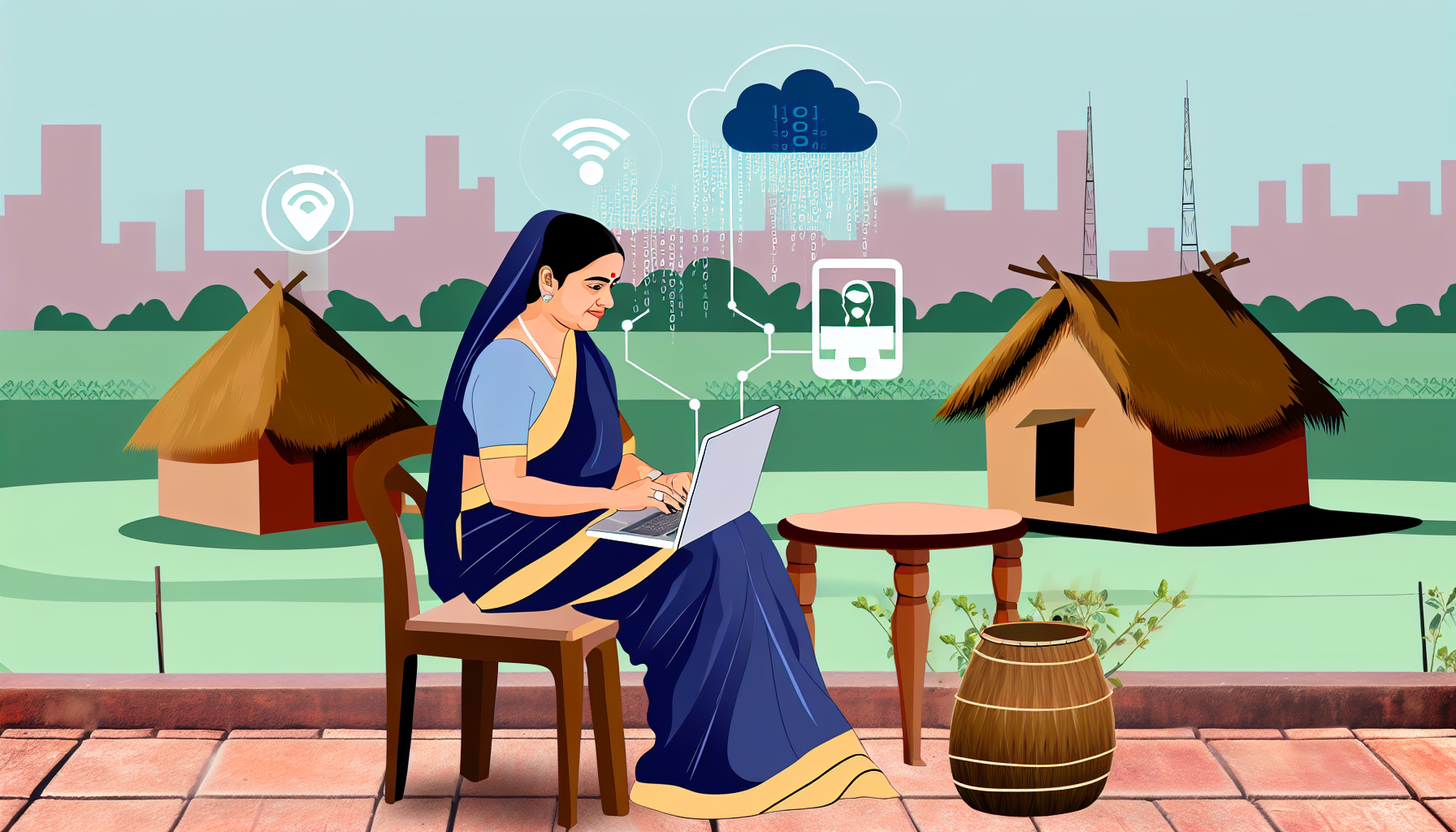
In a small village nestled in the hills of Northeast India, I once witnessed a local council meeting that felt more like a scene from a bygone era than a gathering meant to shape the future. Elders sat around a wooden table, debating the merits of a new water supply system, their voices echoing the weight of tradition. Yet, amidst this familiar backdrop, a young woman named Priya stood up, her smartphone in hand, ready to present data that could transform their discussion. She had spent weeks gathering insights from her community, leveraging technology to bridge the gap between age-old practices and modern governance. This moment was a glimpse into the potential of digital integration in local governance, a revolution quietly unfolding across India.
Digital integration isn’t just about flashy apps or high-tech solutions; it’s about empowering communities to take charge of their own destinies. In India, where local governance often grapples with inefficiencies and a lack of transparency, technology offers a lifeline. Consider the Digital India initiative, which aims to transform the country into a digitally empowered society. It’s not merely a government project; it’s a movement that invites citizens to engage, innovate, and contribute. When local councils adopt digital tools, they don’t just streamline processes; they foster a culture of accountability and inclusivity.
Take the example of a small municipality in Maharashtra that implemented a digital grievance redressal system. Residents could log complaints via a mobile app, which were then tracked and addressed in real-time. This simple yet effective approach not only reduced the backlog of unresolved issues but also built trust between the local government and its citizens. People felt heard, and the council gained valuable insights into the community’s needs. It’s a powerful reminder that technology, when wielded thoughtfully, can enhance human connection rather than diminish it.
The beauty of digital integration lies in its adaptability. Each region in India has its unique challenges and cultural nuances, and technology can be tailored to meet these specific needs. For instance, in rural areas where internet connectivity may be sporadic, offline solutions like SMS-based services can ensure that no one is left behind. This flexibility allows local governance to evolve in ways that resonate with the community, fostering a sense of ownership and pride.
Yet, it’s crucial to approach this transformation with a human-centered mindset. As we rush to implement new technologies, we must remember that behind every data point is a person with hopes, dreams, and concerns. Training programs that empower local leaders and citizens to harness these tools effectively are essential. It’s not just about the technology itself; it’s about cultivating a culture of learning and adaptation.
Reflecting on Priya’s story, it’s clear that the future of local governance in India hinges on this delicate balance between tradition and innovation. As we embrace digital integration, we must ask ourselves: How can we ensure that technology serves as a bridge rather than a barrier? How can we foster an environment where every voice is valued, and every concern is addressed?
In the end, the true power of digital integration lies not in the tools we use but in the connections we forge. As we stand on the brink of this digital revolution, let’s commit to building a future where technology amplifies the voices of the grassroots, creating a tapestry of governance that is as diverse and vibrant as the communities it serves.
About the Author:
Sanjeev Sarma is an IT enthusiast with over 20 years of experience in enterprise software development. As the Director of Software Services and Chief Software Architect at Webx Technologies Private Limited, he explores the intersection of technology and everyday life, particularly how digital transformation can empower local governance in India. His insights blend intellectual curiosity with a human-centered approach, reflecting a deep commitment to fostering community-driven change.