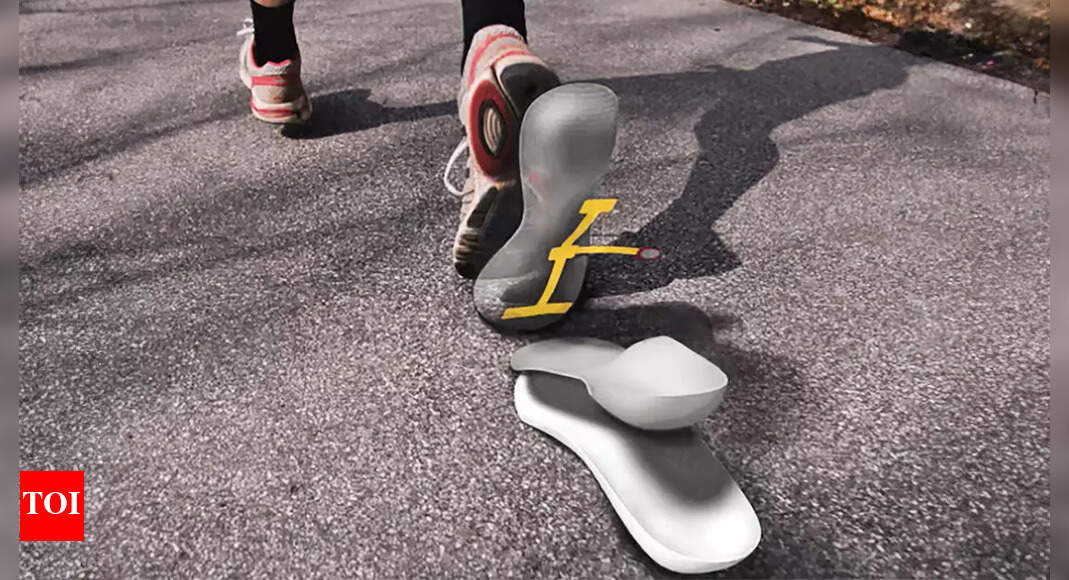

Your feet work tirelessly every day, supporting your body and adapting to various surfaces, yet they often go unnoticed until discomfort arises. Imagine a world where your shoes can alert you to potential foot injuries before you even experience pain, or your socks can warn you about the risk of ulcers even before symptoms appear. This is the promise of emerging wearable foot technology, which holds significant promise for millions at risk.
In the United States, about one in five adults in middle to older age experiences foot pain, ranging from minor issues to severe problems that can limit daily activities. Some of these conditions, especially those linked to diabetes, can be life-threatening. Alarmingly, patients suffering from diabetic foot ulcers face as high as a 40% chance of dying within five years of their symptoms first appearing—figures that surpass many cancers. If left untreated, these ulcers can result in serious infections or even amputations.
Fortunately, innovative wearable devices such as smart insoles and socks can play a critical role in preventing these severe complications through early detection. They continuously track foot pressure, walking patterns, and skin temperature. This data is carefully analyzed using advanced algorithms and artificial intelligence, which can provide timely alerts about potential foot issues. For instance, machine learning techniques have successfully predicted diabetic foot ulcers based on data gathered from these wearables, enabling healthcare providers to intervene well before complications take hold.
Smart insoles equipped with tiny sensors measure how pressure is distributed across your feet as you walk or run. They are capable of detecting abnormal walking patterns with more than 90% accuracy, identifying problems before they manifest as pain or injuries.
These devices are particularly beneficial for older adults and individuals with neurological conditions like strokes, multiple sclerosis, or movement disorders such as Parkinson’s disease. Smart socks, utilizing sensors to monitor foot temperature and pressure, can effectively identify early signs of inflammation. Research indicates that these socks can not only predict but also help prevent foot ulcers in diabetic patients. Furthermore, smart compression socks that monitor blood oxygen levels can detect significant changes during daily activities, thereby reducing the risk of severe complications like poor circulation and infections.
Wearable foot technology is advantageous for various groups, including athletes and those with chronic conditions. Athletes engaged in high-impact sports like running often place immense stress on their feet, elevating their risk of injury. Smart insoles offer immediate feedback, allowing athletes to make adjustments to their running technique. Studies reveal that runners utilizing these insoles not only improved their form but also reported fewer injuries.
Another study highlighted that high-risk diabetes patients who wore smart socks with continuous temperature monitoring experienced a 71% lower incidence of foot ulcers and a 52% reduction in amputations. This decrease was largely attributed to earlier detection and timely intervention.
Despite their potential, wearable foot technology does face challenges, notably concerning privacy concerns due to the constant collection of sensitive health data. Ensuring the security of this data is paramount. Additionally, the accuracy of these devices is crucial, as they must consistently avoid false alerts or missed warnings. While prices for these technologies have become more manageable, they can still be prohibitive for many consumers, hindering widespread adoption.
However, the future of wearable foot technology appears promising. Devices are becoming more compact, cost-effective, and user-friendly. Innovations like 3D printing now allow for customized smart insoles that conform to individual foot shapes, enhancing both comfort and accuracy. Future developments include flexible sensors that can be linked to smartphones and healthcare systems, facilitating remote monitoring and tailored care, thereby promoting more adaptable, user-centric designs that are easy to integrate into daily life.
The overarching goal remains clear: to render health monitoring more accessible, convenient, and proactive without relying on cumbersome equipment or frequent clinic visits. Wearable technology represents a significant leap forward in foot health, with these devices poised to become integral to everyday healthcare.
Original Source: https://timesofindia.indiatimes.com/life-style/health-fitness/health-news/shoes-that-can-warn-you-about-injuries-how-wearable-technology-is-transforming-foot-care/articleshow/121144196.cms
Category:
Tags:
Publish Date: 2025-05-14 04:00:00