
In a controversial move, Israeli authorities are proposing a new plan to manage international aid deliveries into Gaza, a territory currently grappling with a severe humanitarian crisis. The proposal suggests that aid be administered under Israeli supervision, following a two-month blockade. However, several humanitarian organizations are voicing concerns that such conditions may compromise their neutrality and turn aid into a tool of military pressure.
The discussion of this new aid mechanism comes amid heightened tensions, as Israeli leaders consider escalating their offensive in Gaza. Over a year and a half of conflict has yet to oust Hamas or secure the release of hostages. The international community, including some of Israel’s allies, is urging an end to the blockade, but Israeli officials maintain that pressure on Hamas to release hostages is a priority. They also accuse Hamas of appropriating aid for militant purposes, claims that Hamas denies.
Israeli officials propose that the military oversee aid distribution, creating secure hubs within Gaza to ensure supplies reach civilians. This plan involves private companies managing the deliveries under military protection, although details remain unclear, as officials prefer verbal briefings over written documentation.
Humanitarian groups and the United Nations have rejected the proposal, fearing it might extend military control over Gaza and undermine humanitarian principles. Critics argue that the plan could restrict aid to areas outside the designated hubs, effectively using aid as leverage in military strategy. The UN, alongside humanitarian organizations, expressed concern about the potential for the plan to support forced displacement, stating that it contradicts humanitarian principles and could exacerbate the already dire conditions in Gaza.
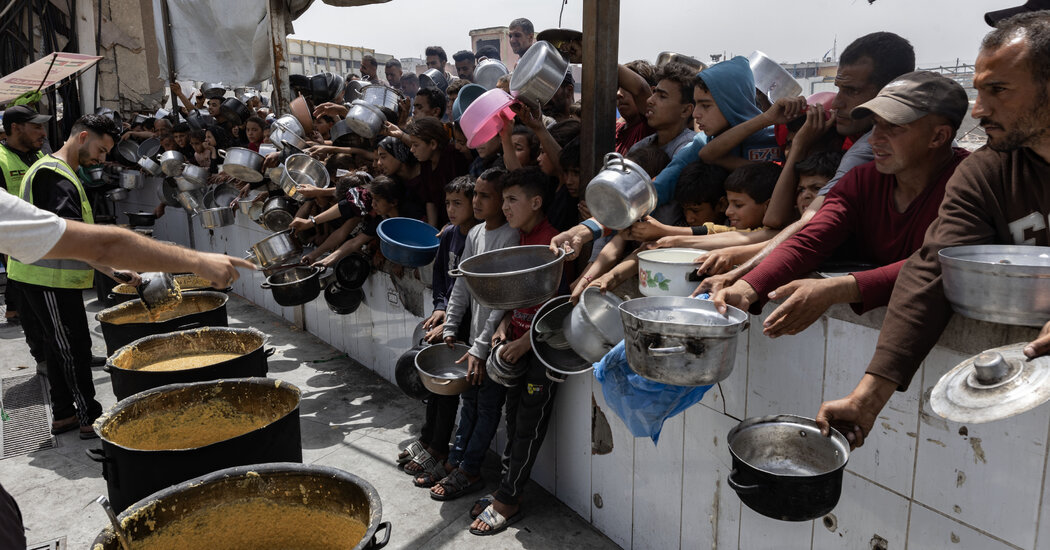
The humanitarian situation in Gaza remains critical. Following a brief cease-fire in January, hopes for improved conditions were dashed when Israel closed crossings in March due to stalled negotiations with Hamas. The cease-fire formally ended with renewed conflict. Currently, large numbers of displaced Gazans endure harsh living conditions, struggling to access food, water, and medical supplies amid inflated prices.
Tom Fletcher, a top UN aid official, emphasized the urgency of the situation, stating, “Blocking aid starves civilians. It leaves them without basic medical support. It strips them of dignity and hope.” Aid organizations warn that the blockade, if prolonged, might lead to famine and further humanitarian disasters.
In summary, Israel’s proposed aid management plan faces significant criticism from humanitarian groups and international entities, highlighting deep concerns about neutrality, control, and the humanitarian impact on Gaza’s civilian population. As tensions threaten to escalate, negotiations and diplomatic efforts continue to find a viable resolution to this complex crisis.
Original Source: https://www.nytimes.com/2025/05/06/world/middleeast/israel-gaza-aid.html
Category : Israel-Gaza War (2023- ),International Relations,Defense and Military Forces,Humanitarian Aid,Refugees and Displaced Persons,Palestinians,Embargoes and Sanctions,Peace Process,Gaza Strip,Hamas,United Nations
Tags:
Publish Date: 2025-05-08 09:06:00