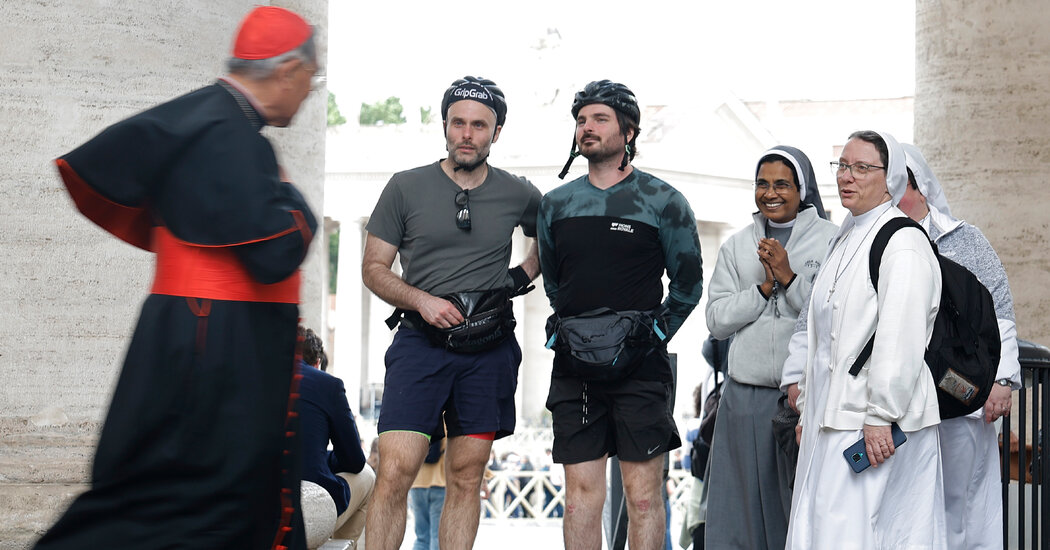

The conclave, a revered and solemn election within the Roman Catholic Church, has taken on a new dimension in the digital age, blending tradition with contemporary online culture. This secretive gathering of cardinals, responsible for selecting the leader of the world’s 1.4 billion Catholics, begins amidst an unprecedented global audience immersed in social media and meme culture. Rob Anderson, an author known for his insights on pop and LGBTQ culture, described the conclave as both “dramatic” and a spectacle of “fashion.”
The papal election has long been one of the world’s most mysterious and consequential processes. Yet, the influence of modern digital platforms has brought a fresh perspective, capturing the attention of younger generations. Following the release of the movie “Conclave,” the event has been increasingly viewed through the lens of entertainment, with social media users creating memes and videos that parody Vatican rituals.
A recent Italian magazine article humorously declared, “The Vatican-core summer has begun,” highlighting the intrigue surrounding the event. Online creators have produced a variety of content, from videos of cardinals set to modern music to TikToks mimicking conclave conversations. Fan pages and rankings of papal candidates based on unconventional criteria have also gained traction. An image of a cardinal lighting another’s cigarette quickly went viral, amassing over five million views.
Victoria Genzini, an Italian curator who runs a meme page, noted the rise in popular interest since Jude Law’s portrayal in “The Young Pope.” “The Catholic iconography is camp,” she commented, reflecting on the ease of transforming such images into internet memes.
While some find humor in this modern interpretation, others feel discomfort, arguing that the sanctity of a pope’s election should not be trivialized. Jamita Brown, a children’s author, criticized the online irreverence, emphasizing respect for religious beliefs.
Despite the criticism, digital creators remain undeterred. Opinion articles and memes continue to circulate, questioning societal norms concerning the conclave process. Mr. Anderson’s popular “pope games” videos liken the event to a lighthearted sleepover, underscoring a blend of humor and curiosity.
Not only social media influencers but travel bloggers and graphic designers have begun sharing their interpretations of potential papal candidates. The election of a new pontiff brings with it significant responsibilities, including addressing church finances and ongoing sexual abuse scandals.
Cyabra, a social media intelligence firm, found that a notable percentage of online profiles discussing the conclave are bot-driven. However, authentic content also emerges from surprising sources, including LGBTQ communities that may feel distanced from traditional church ideologies.
Pope Francis recently sparked controversy with comments perceived as a slur against gay men, which some Roman citizens repurposed as a symbol of pride. The queer community has since embraced the conclave with enthusiasm, finding ample material for content creation.
As the conclave unfolds, the global digital audience remains engaged, blending humor with genuine intrigue. The Vatican, acutely aware of external influences, has taken steps to maintain the process’s integrity, curbing cardinal communications by restricting cellphone usage during the election period. The result is a confluence of sacred tradition and modern digital spectacle, embodying the complexities of connecting age-old rituals with a vibrant, contemporary world.
Original Source: https://www.nytimes.com/2025/05/07/world/europe/pope-conclave-social-media.html
Category : Clergy,Popes,Social Media,Roman Catholic Church,Francis,Cardinals (Roman Catholic Prelates),Priests,Vatican City,Comedy and Humor,Conclave (Movie)
Tags:
Publish Date: 2025-05-07 10:18:00