Crushing Voices: 640 Journalists Targeted as Press Freedom Dwindles Under Yunus in Bangladesh

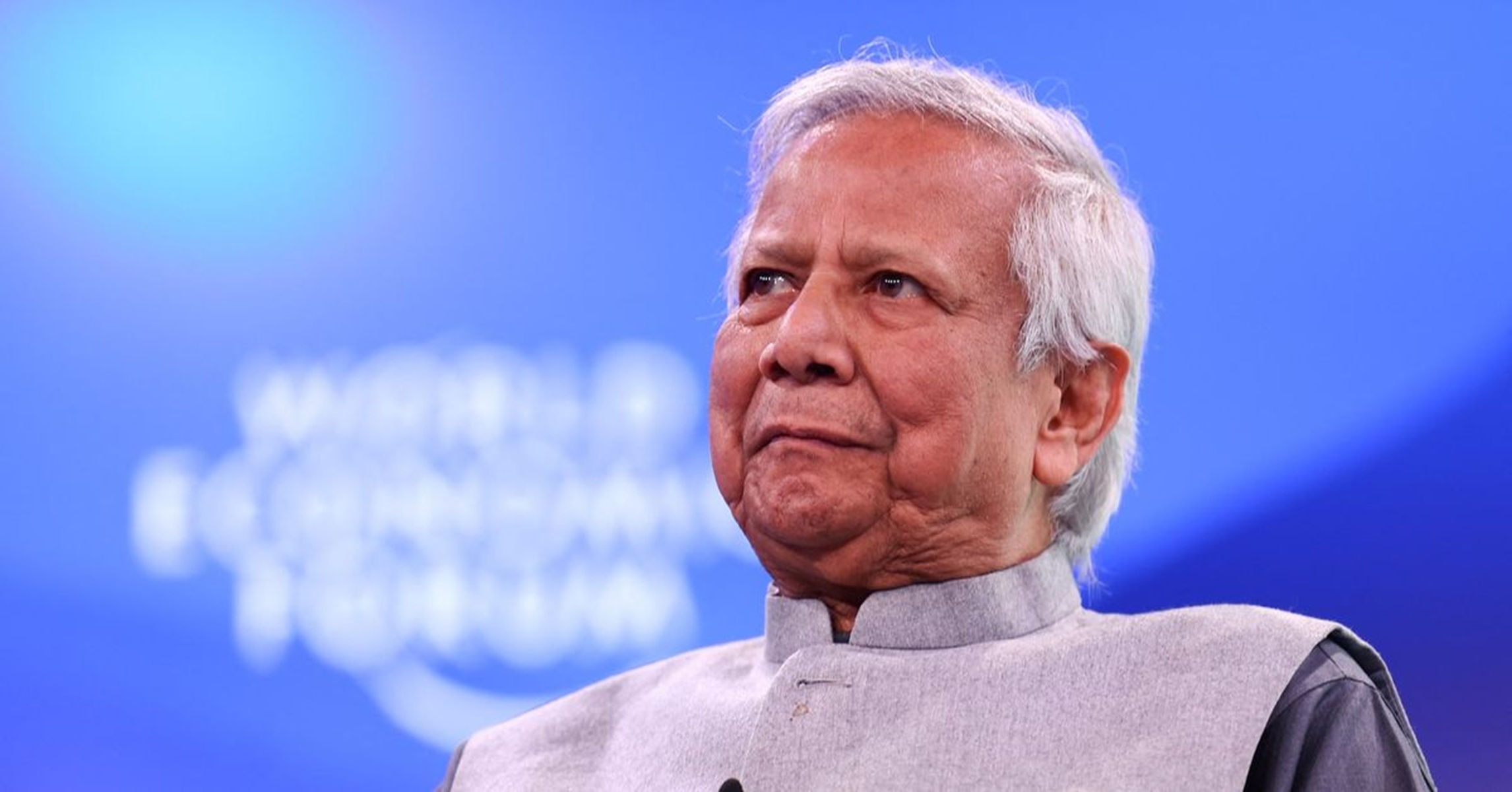
On World Press Freedom Day 2025, the Rights and Rights Analysis Group (RRG) unveiled a striking report titled “Bangladesh: Press Freedom Throttled Under Dr. Muhammad Yunus,” shedding light on the severe restrictions imposed on media freedom in Bangladesh under the Interim Government led by Dr. Muhammad Yunus. The report reveals alarming statistics, indicating that in the first eight months of the interim administration from August 2024 to March 2025, a staggering 640 journalists faced targeted repression.
Among these shocking revelations, 182 journalists were subjected to criminal charges, while 206 encountered acts of violence. Furthermore, 167 journalists were denied accreditation, and 85 senior journalists faced inquiries from the Bangladesh Financial Intelligence Unit, responsible for anti-terrorism and anti-money laundering efforts. This coordinated assault on journalistic integrity has raised serious concerns regarding the state of press freedom in Bangladesh.
The report highlights an atmosphere of fear cloaking the entire media landscape. Major media outlets, including Bangladesh Pratidin, Jatiya Press Club, and Jugantor, have been affected, with senior journalists from 39 institutions placed under investigation for alleged money laundering between October 2024 and January 2025. This mass targeting of journalists suggests a systematic attempt to silence dissenting voices.
Notably, the Anti-Discrimination Students Movement, led by Hasnat Abdullah, has played a significant role in exacerbating this climate of repression, targeting independent newspapers like The Daily Star and Prothom Alo, and forcing the firing of journalists from Somoy TV. These actions reflect a trend where journalists are dismissed based on threats from political activists, eroding the independence of the media.
The situation deteriorated further following critical inquiries directed at Newly Appointed Cultural Advisor Mostofa Sarwar Farooki regarding political violence. Journalists Rahman Mizan from Deepto TV and Fazle Rabbi from ATN Bangla were abruptly terminated, while Rafiqul Bashar of Channel I was suspended pending exploration of the issue. Media professionals now face unprecedented risks when reporting on the Interim Government, with many voicing concerns that repression during Dr. Yunus’s tenure has surpassed that experienced under previous administrations.
Suhas Chakma, Director of the RRG, emphasized that the current atmosphere is unprecedented in its hostility toward critical journalism. “No critical reporting on the Interim Government or the Awami League is possible. Journalists, next to political activists, are the most vulnerable,” Chakma stated.
Impunity for violent attacks on journalists has surged, as highlighted by the RRG’s findings that few legal actions have been pursued against perpetrators of these attacks. Instances of violence, such as those against Khorshed Alam and others in early April, appear to be exceptions rather than the norm, as many offenders associated with political groups seem to operate without fear of accountability.
Chakma argued that the international community, particularly donor nations and financial institutions, has largely ignored the chilling state of press freedom under Dr. Yunus, focusing instead on human rights violations from the past. He contends that this uncritical stance risks bolstering a new dictatorship marked by severe restrictions on journalism.
The RRG intends to present its findings to United Nations agencies and international stakeholders in hopes of prompting a more substantial response to the erosion of press freedom in Bangladesh, advocating for safeguarding journalistic integrity as a fundamental democratic value.
Original Source: https://nenews.in/neighbours/yunus-throttled-press-freedom-in-bangladesh-640-journalists-targeted-in-8-months/24677/
Category : Neighbours,Attack,Bangladesh,Freedom of Press,journalist,Muhammad Yunus
Tags:
Publish Date: 2025-05-03 21:01:00