Heartwarming Revival: How a Gujarati Community in Guwahati Keeps the Age-Old Barter System Alive

Generations of Gujarati Women Keep Barter Tradition Alive in Guwahati
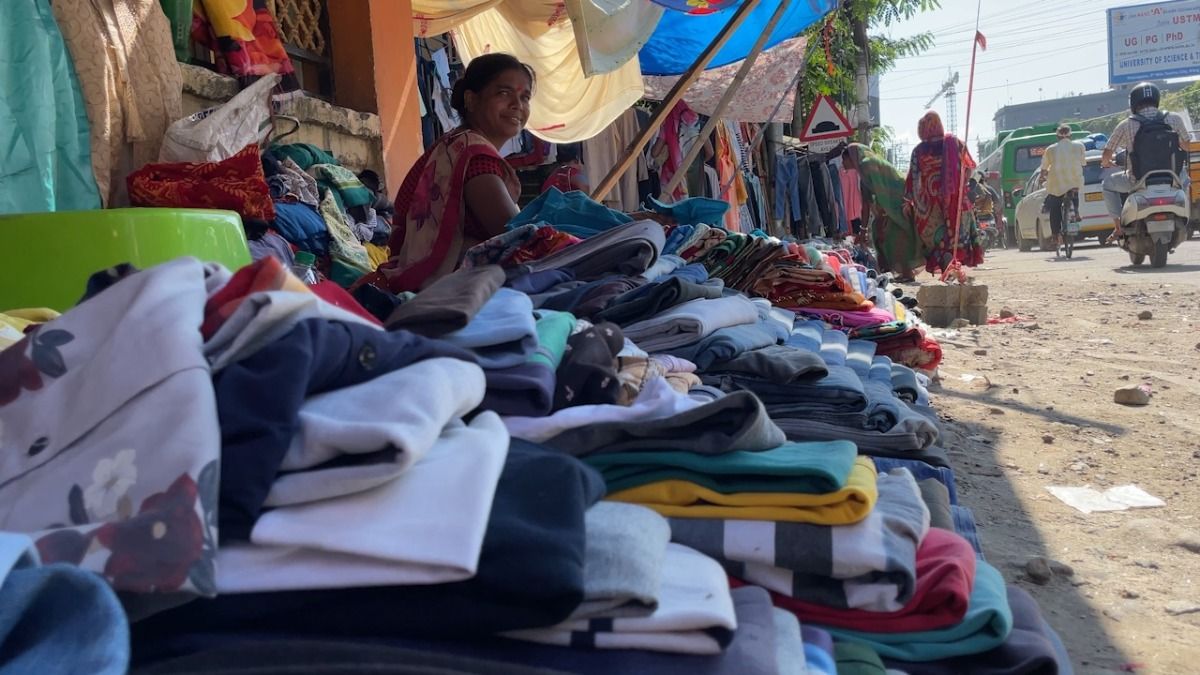
The barter system, the age-old practice of exchanging goods and services without money, lives on in modern society, particularly within certain communities. In Guwahati, Assam, a Gujarati community maintains the tradition by exchanging old clothes for new utensils. These women, identifiable by their sacks and baskets, visit households to collect garments in return for utensils, a practice passed down for generations.
This tradition, also seen in other urban areas, involves women buying utensils from dealers like Maharaj, sometimes trading a portion of collected clothes. Pinky, a community member, explains their process of repairing and reselling old clothes. Despite facing challenges, including seasonal income limitations, harsh weather conditions, and occasional displacement by authorities, they sustain their families through this trade.
Ravi, co-running this business with his wife Pinky and their mothers, acknowledges the hardships of this livelihood. Revenue is generated primarily in four months of the year; for the remaining months, supplementary jobs are necessary. The family covers essential expenses and education of their children through this work.
This bartering system promotes sustainability by recycling and repurposing garments, reducing textile waste, and lowering the carbon footprint associated with new textile production. The refurbished clothes, sold at affordable prices, meet the needs of economically disadvantaged customers, supporting both the community’s economy and environmental consciousness.
Despite obstacles like potential displacement and minimal sales at times, the community remains resilient. They continue to practice their traditional barter system, demonstrating its enduring value in fostering sustainable development and strengthening community bonds.
Their unwavering commitment serves as a powerful example of how traditional exchange practices can adapt to modern challenges, ensuring economic support and ecological benefits.
Original Story https://www.indiatodayne.in/assam/video/assam-how-this-gujarati-community-in-guwahati-is-keeping-the-age-old-barter-system-alive-1063226-2024-08-02?utm_source=rssfeed
Category :
Tags: