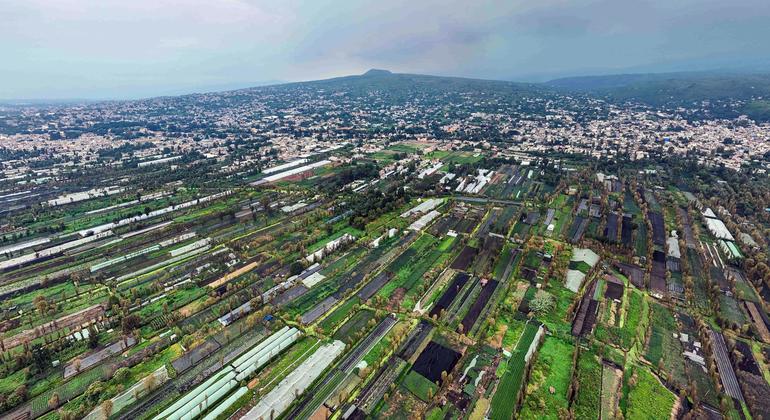

The chinampas of Xochimilco, ancient man-made islands known for their fertile floating gardens, are facing significant challenges that threaten their existence. Developed by the Aztecs, these islands were crafted by strategically layering mud, plants, and branches over shallow lake beds, creating lush, productive lands. However, contemporary issues such as climate change, diminishing interest in agriculture among young people, and the expanding water demands of Mexico City jeopardize this time-honored tradition that has sustained farming communities for centuries.
In an effort to explore solutions, a team from the United Nations University met with Xochimilco’s chinamperos. This meeting came ahead of the release of their 2025 Interconnected Disaster Risks report, which examines the interconnected nature of disasters and human activity. The discussion centered on how to safeguard the chinampa system for future generations while addressing the pressing environmental challenges they face.
Lauro Rivera, a 72-year-old beekeeper who was born and raised in Xochimilco, expressed pride in his heritage. “Our ancestors’ hard work created the chinampas,” he explained. “By layering branches and rich mud, and anchoring them with ahuejote trees, they built a network of canals and chinampas that still exists today.” This intricate ecosystem, stretching over nearly 180 kilometers of canals, symbolizes a rich cultural legacy that is now at risk.
Samuel Luna, a 67-year-old vegetable farmer, highlighted the uniqueness of this ancestral knowledge. He spoke of a time when Xochimilco’s waters supported diverse wildlife, including fish, turtles, and axolotls. “Pollution and water scarcity are big problems now,” he noted. The community is making efforts to return to sustainable farming practices, using fewer pesticides and fostering environmentally friendly crops. “Maybe we can’t bring back everything, but preserving what we have now is crucial,” Luna asserted. “We farmers are the guardians of these lands.”
Echoing these sentiments, Eric Enríquez, Luna’s 45-year-old grandson, detailed how farming techniques are passed down through generations. Despite climatic uncertainty due to climate change, Enríquez remains committed to the chinampas. “First, there were clear seasons, but now everything is unpredictable,” he said. Although technological advances offer tools to mitigate climate impacts, not everyone can afford them. “If everyone works in an office, who will maintain the chinampas?” he questioned. “This is all very beautiful, and I have huge feelings for it. I do not want it to be lost.”
Adding a different perspective, 29-year-old historian Mariana Cruz stressed the significance of women’s contributions to agriculture. Her family’s farming history underscores the need to shift stereotypes. “The farmer’s role is as important as a doctor’s,” she declared, highlighting the critical role of chinampas in sustaining Mexico City. Cruz advocates for raising awareness about the cultural and ecological importance of Xochimilco’s canals.
The stories of these individuals illustrate a collective effort to confront modern challenges while preserving a vital agricultural tradition. As Mexico City continues to grow, the chinamperos of Xochimilco act as stewards of their environment, striving to ensure that the rich history of the chinampas endures for future generations. This article reinforces the importance of sustainable agriculture and cultural preservation in the face of climate change and urban expansion.
Original Source: https://news.un.org/feed/view/en/story/2025/04/1161681
Category :
Tags:
Publish Date: 2025-04-12 17:30:00