Trump Administration Sparks Controversy by Revoking Visas of South Sudanese: A Bold Move in Deportation Clash

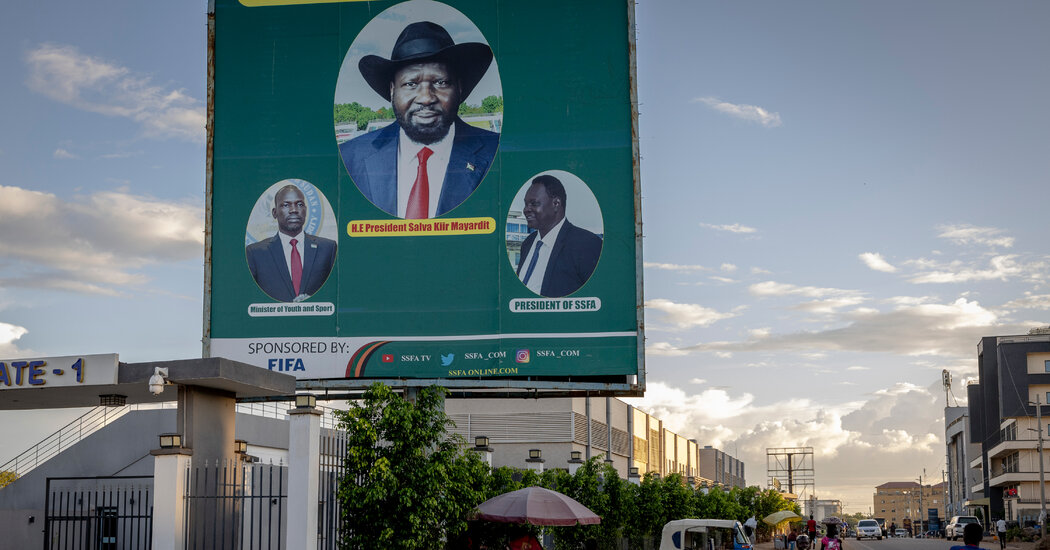
In a significant diplomatic development, U.S. Secretary of State Marco Rubio announced on Saturday the revocation of visas for all South Sudanese passport holders due to the transitional government’s failure to accept deportees in a “timely manner” as required by the Trump administration. In a social media post, Rubio further declared the suspension of any new visa issuances for South Sudanese citizens, holding the South Sudanese transitional government accountable for not cooperating with repatriation efforts. Through the State Department, he stated the U.S. would be willing to reconsider these measures if South Sudan ensures full cooperation.
This move mirrors an earlier decision by President Donald Trump in January, where he threatened Colombian officials with similar visa revocations and trade tariffs for their reluctance to accept deportees via U.S. military flights. Colombia swiftly reversed its stance following Trump’s announcement. Rubio’s firm stance reflects the Trump administration’s broader strategy to expedite the deportation of foreign nationals, a key promise made during Trump’s presidential campaign.
The visa restrictions have sparked controversy and legal challenges, with some potential deportees pursuing lawsuits against the administration, leading several judges to issue temporary restraining orders. Lucas Guttentag, who served in the Biden administration, criticized the decision, labeling it as unjustly penalizing people based on their nationality and disrupting the lives of law-abiding visa holders instead of engaging in effective diplomacy.
Moreover, the Trump administration has escalated its mass deportation efforts, carrying out large-scale operations throughout the U.S. Rubio justified his actions, claiming the authority to annul visas of individuals detained in this process due to their supposed efforts to undermine U.S. foreign policy. Among the detainees, some have been involved in protests or authored essays opposing Israel’s actions in Gaza and American military aid.
By March 27, Rubio mentioned he had revoked approximately 300 visas and was processing further deportation orders daily. Notably, Oscar Arias Sánchez, former Costa Rican president and Nobel laureate, was informed of his visa suspension after publicly criticizing Trump. This escalation highlights ongoing challenges faced by the U.S. government in deporting individuals when countries either lack diplomatic ties or face bureaucratic hurdles.
During Trump’s first tenure, the U.S. imposed visa sanctions on multiple countries deemed uncooperative, affecting individuals seeking visas while abroad. Concurrently, the Biden administration extended Temporary Protected Status to migrants from South Sudan in 2023 due to the nation’s internal violence, with protections lasting until May.
As the situation continues to develop, the consequences of Rubio’s decision will likely influence U.S.-South Sudan relations and broader diplomatic engagements concerning deportation policies and human rights considerations. This unfolding story continues to captivate those following immigration and international diplomacy closely, with significant implications for affected communities on both personal and political levels.
Original Source: https://www.nytimes.com/2025/04/05/us/politics/trump-administration-revokes-visas-of-south-sudanese-in-clash-over-deportees.html
Category : Deportation,South Sudan,Trump, Donald J,Rubio, Marco,Visas
Tags:
Publish Date: 2025-04-06 05:16:00