Breakthrough Joy: Eli Lilly’s Zepbound Dramatically Reduces Heart Failure Risks in Latest Study

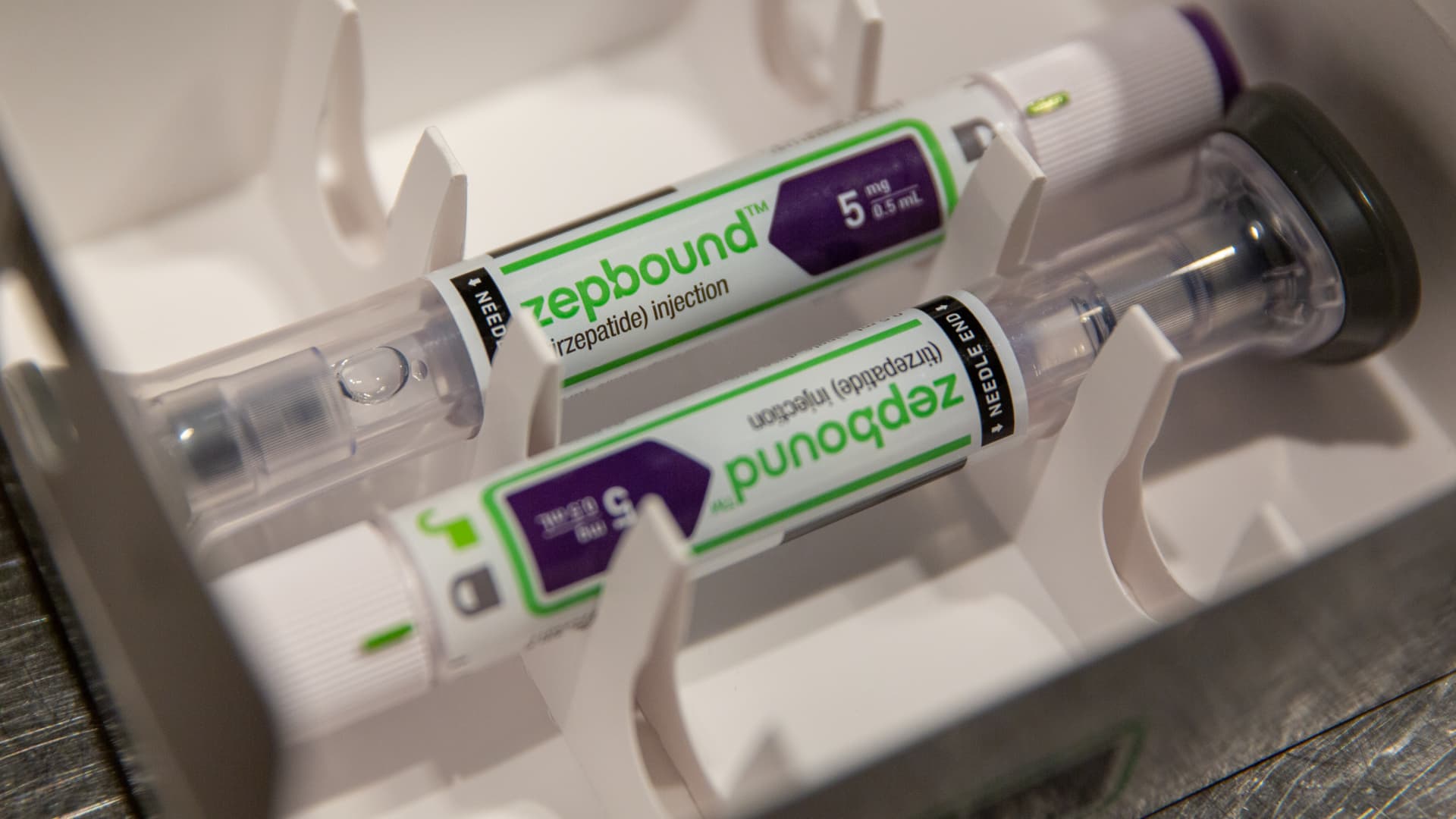
Eli Lilly & Co.’s weight loss drug, Zepbound, has demonstrated significant benefits for patients with heart failure and obesity, according to late-stage trial data released by the company. The findings suggest that GLP-1 drugs like Zepbound, traditionally known for aiding weight loss and blood sugar regulation, may also offer broader health benefits. This could potentially lead to expanded insurance coverage for such treatments.
In the trial, Zepbound reduced the risk of hospitalization or death due to heart complications by 38% compared to a placebo. It also improved heart failure symptoms and physical limitations. The study included over 700 patients with heart failure with preserved ejection fraction (HFpEF) and obesity, some of whom had diabetes. HFpEF involves the heart’s inability to pump sufficient blood, leading to significant symptoms and physical limitations.
Eli Lilly plans to submit the trial results to U.S. and international regulators later this year. The announcement boosted Eli Lilly’s shares by over 3% in Thursday morning trading. The company will present the data at an upcoming medical meeting and aims to publish it in a peer-reviewed journal.
The safety profile of Zepbound was consistent with previous trials, with mild to moderate gastrointestinal side effects such as nausea and diarrhea. Eli Lilly’s main competitor, Novo Nordisk, has already applied to use its weight loss drug Wegovy for treating patients with HFpEF. Both companies are exploring their drugs’ efficacy in treating chronic kidney disease and fatty liver disease.
Zepbound targets both the GLP-1 and GIP hormone receptors, while Wegovy focuses solely on GLP-1, offering a potentially broader treatment mechanism.
Original Story https://www.cnbc.com/2024/08/01/eli-lilly-weight-loss-drug-zepbound-cuts-heart-failure-risks-in-study.html
Category :
Tags: