Breaking: Trump Sparks Controversy with 26% Reciprocal Tariff on India – Calls PM Modi ‘My Friend’

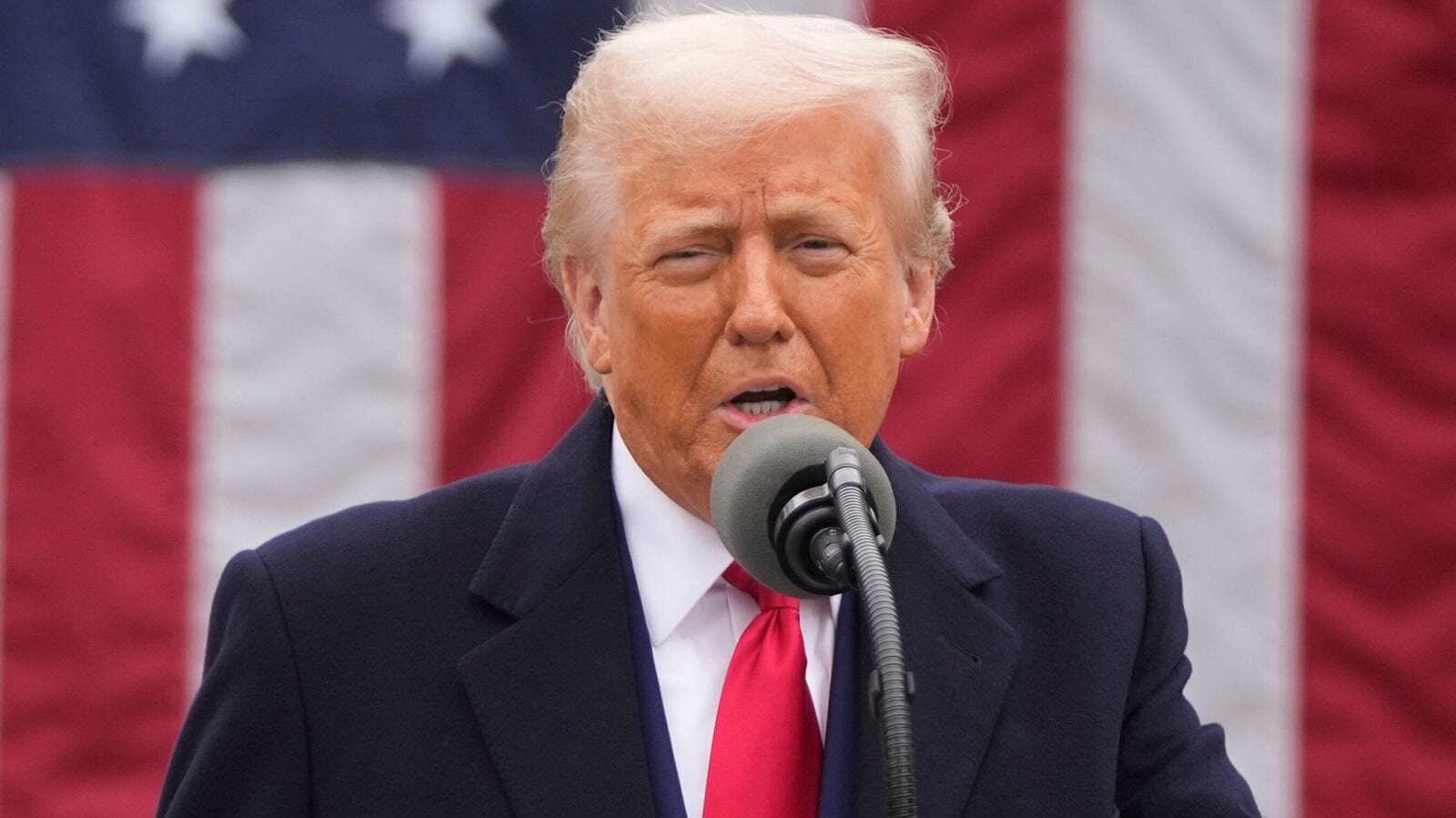
In a bold move announced from the White House Rose Garden, U.S. President Donald Trump has introduced a sweeping tariff policy aimed at recalibrating international trade dynamics and bolstering domestic industries. The new policy enforces a minimum 10% tariff on nearly all goods entering the United States, with exceptions granted to countries within the USMCA framework, where compliant nations retain their existing trade terms, while others face a 25% duty. This comprehensive tariff structure will kick in at 12:01 a.m. ET on Saturday, marking a significant shift in U.S. trade policy.
Further amplifying the impact, approximately 60 countries with substantial trade surpluses against the U.S. will encounter reciprocal tariffs. These will be imposed at half the rate their tariffs impose on American goods, effectively from April 9. To preserve the U.S. automotive industry’s competitiveness, a 25% tariff will be imposed on all foreign-made automobiles starting at midnight ET. Trump, emphasizing the need for such measures, cited “horrendous imbalances” that have allegedly undermined America’s industrial stability and posed national security risks.
The announcement has stirred a flurry of international responses. Japan’s stock market saw its most significant foreign sell-off in three years, shedding billions in stock value, according to Reuters. Meanwhile, the Prime Minister of Thailand has expressed a willingness to negotiate with the U.S., following the announcement of a 36% tariff on Thai imports. Australia’s surprise at the 29% duty on imports from its Norfolk Island territory highlights the widespread ripple effect of Trump’s policy across global economies.
The European Union is actively preparing countermeasures, with President Ursula von der Leyen denouncing the tariffs as a blow to global economic stability, highlighting the potential for a trade confrontation. The German Automotive Industry Association echoed these concerns, indicating that the tariffs could lead to losses across the board rather than providing the intended protectionist benefits.
In Asia, China’s Commerce Ministry has openly criticized the announcement, urging the U.S. to retract its tariffs immediately and promising to implement countermeasures to protect its interests. India’s leadership, while acknowledging the reciprocal tariff challenge, remains optimistic that the agricultural sector will weather the storm due to relative competitive advantages.
Domestically, reactions vary along political lines. Four Republican senators have joined Democrats in opposing the tariffs on Canadian goods, underscoring the divisive nature of this policy even within Trump’s party. On Wall Street, indices like the S&P 500 and Nasdaq initially rose in anticipation of the tariffs, reflecting cautious optimism about potential economic boosts from increased domestic production.
President Trump has framed the tariffs as “a declaration of economic independence,” suggesting that they will spur job creation, factory growth, and consumer benefits through reduced prices and increased competition. He assures that the tariffs will serve as a financial lever to reduce national debt and fund substantial tax cuts without harming essential services like Medicare and Social Security.
Furthermore, Trump advocates for legal immigration as part of his broader economic vision, indicating an openness to more workers entering the U.S. legally.
As debates over the potential economic impact persist, the tariffs are poised to redefine U.S. trade relations significantly, with the administration confident that these moves will lead to a “golden age” of American industrial resurgence.
Original Source: https://www.livemint.com/news/us-news/donald-trump-tariff-news-live-updates-liberation-day-trump-pc-latest-announcement-stock-market-impact-dow-jones-2-april-11743590586966.html
Category :
Tags:
Publish Date: 2025-04-03 11:04:00