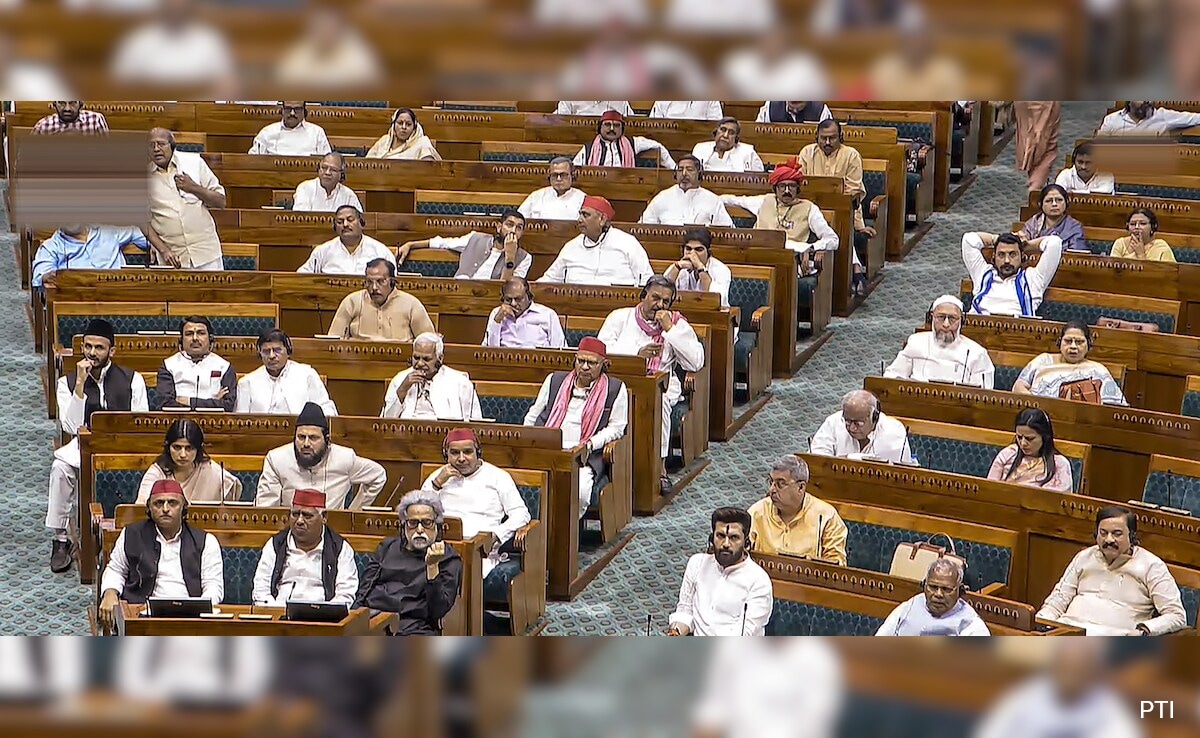

The Waqf Amendment Bill, which proposes significant reforms to the governance of Muslim charitable properties, has stirred robust debate and controversy since its introduction in the Indian Parliament. Initially introduced in the Lok Sabha in August of the previous year, the bill was subsequently referred to a Joint Parliamentary Committee (JPC) for comprehensive review. In February, the JPC concluded its examination and presented a report outlining various proposed amendments.
A total of 66 amendments were considered during the legislative process, but partisan lines were clearly drawn. All 44 amendments advocated by opposition members were dismissed, while 23 modifications proposed by the ruling BJP and its allies were accepted for further consideration. Ultimately, after a vote, 14 of these 23 amendments received approval. The JPC was composed of 16 members from the BJP and allied parties, contrasting with 10 members from the opposition, reflecting the political dynamics that influenced the bill’s trajectory.
At the heart of the Waqf Amendment Bill is a suite of 44 initial proposed changes aiming to reform the structure and functioning of Waqf boards. Among these proposals was the nomination of non-Muslim and at least two women members to each Waqf board. Additionally, the bill proposed the inclusion of a Union Minister, three Members of Parliament, and individuals of “national repute” in the decision-making processes. Another controversial proposition sought to regulate donations from Muslims who have been practicing their faith for less than five years.
The bill has been met with stern criticism from opposition leaders. Senior Congress leader KC Venugopal described the proposals as a “direct attack on the freedom of religion.” Asaduddin Owaisi, leader of the All India Majlis-e-Ittehad-ul-Muslimeen (AIMIM), along with Kanimozhi from the Dravida Munnetra Kazhagam (DMK), also expressed significant concerns. They argued that the bill transgresses multiple constitutional guarantees, including Article 15, which ensures the freedom to practice any religion, and Article 30, which safeguards the rights of minority communities to establish and administer educational institutions of their choice.
This legislative push represents an ongoing discourse about the balance between state regulation and religious freedom. Supporters claim the bill will enhance transparency and accountability within Waqf boards, historically marred by allegations of mismanagement. They argue that by broadening board representation, the reforms would democratize decision-making and reflect modern governance standards. Conversely, detractors believe such amendments impinge upon religious autonomy and could undermine minority rights, raising potential constitutional challenges.
The amendments to the Waqf Act are poised at a critical intersection of religious and political interests in India. As discussions continue, the bill’s fate remains uncertain, hinging on the legislative balance of power and the broader political climate. The debate surrounding the Waqf Amendment Bill exemplifies the delicate interplay between governance reforms and constitutional freedoms, a subject of immense importance within India’s diverse socio-religious landscape.
As the bill progresses through the legislative process, it emerges as a significant focal point in the ongoing dialogue about governance, religious freedoms, and minority rights in India. Observers and stakeholders alike will be closely monitoring the developments, anticipating how these reforms might shape the future administration of Muslim charitable properties across the country.
Original Source: https://www.ndtv.com/india-news/parliament-live-updates-waqf-discussion-today-india-bloc-to-vote-against-bill-8066548
Category :
Tags:
Publish Date: 2025-04-03 02:48:00