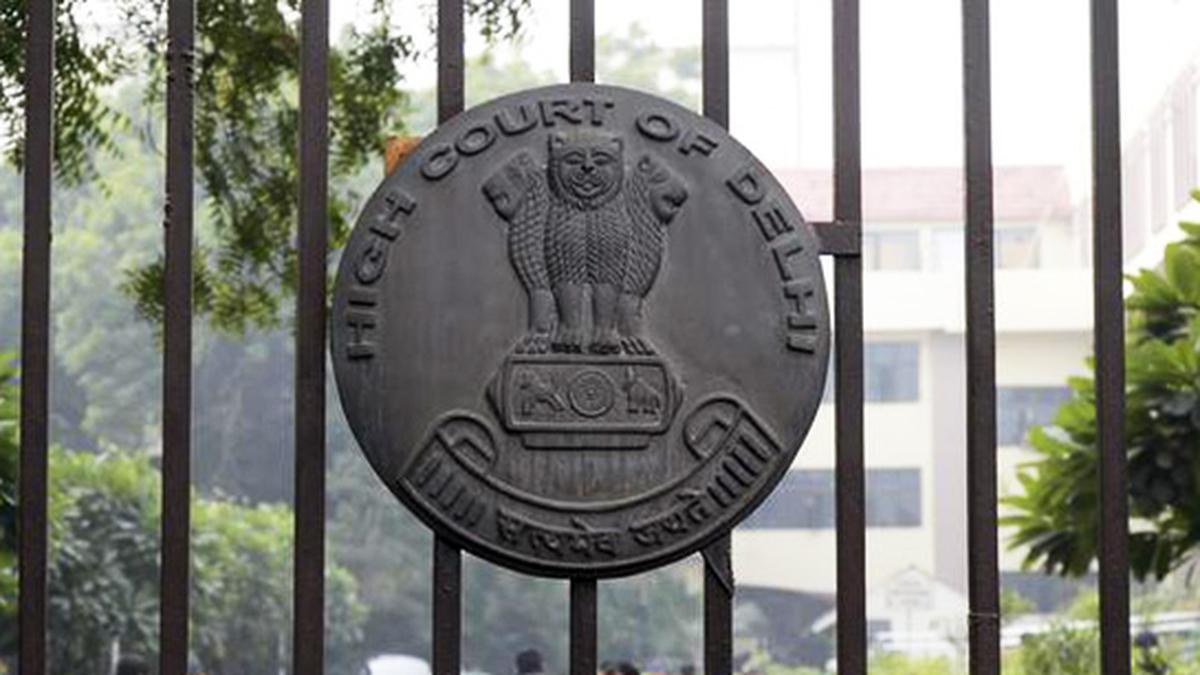

Delhi is facing a critical shortage of government accommodations for its judicial officers, with the situation becoming increasingly dire as the judiciary’s numbers continue to grow. Despite a sanctioned strength of 897 judicial officers, only 348 residences are available, leaving a significant shortfall of 549 homes. This accommodation crisis, highlighted in a March report by the Delhi High Court, has persisted with little progress, as the number of government homes has not increased since the 2018-19 period. As a result, many judges have been compelled to search for affordable housing options in and around the capital, often with little success.
The house rent allowance (HRA) provided to these judicial officers is far from sufficient, making it difficult to find appropriate living quarters in Delhi. As Shefali Barnala Tandon, an Additional Sessions Judge and secretary of the Judicial Service Association of Delhi, pointed out, “Many judges are forced to reside in Faridabad, Noida, and Gurgaon, leading to long and exhausting commutes.” She further emphasized that the allowance—approximately ₹21,000 for entry-level judges—is not enough when typical rental costs exceed ₹50,000 per month for even modest accommodations near the courts.
Despite the Supreme Court addressing the shortage of judicial accommodations in a January 2024 verdict, noting, “The work of a judicial officer is not confined to the working hours rendered in the course of judicial duties in the court,” and urging for this to be a priority, the issue remains unresolved. Currently, the city has three residential complexes dedicated to district judges: the Karkardooma Court Complex with 55 units, the Saket Court Complex with 128 units, and the Rohini Court Complex with 48 units. Additionally, 117 units have been allocated within government colonies like Model Town and Civil Lines.
Previous construction projects intended to alleviate this shortage have either stalled or failed. In 2014, a venture to build 70 flats in Dwarka was initiated but ended in demolition because of structural deficiencies. Plans for new accommodations on the same site for 86 flats have been proposed but have yet to commence. Similarly, a 2018 project at Anand Vihar fell through due to zoning issues, while a subsequent site at Vishwas Nagar was rejected for being unsuitable.
Amid these challenges, the Delhi High Court is handling petitions—one filed by the Judicial Service Association—demanding adequate housing for judicial officers. The association contends that the lack of appropriate government housing severely affects their members.
Efforts to identify alternative housing solutions have seen some progress. The Public Works Department recently identified a one-hectare plot at CBD Ground, Shahdara, capable of accommodating 90 flats, but funding has stalled these plans. A promised meeting to discuss finances was canceled due to the Delhi Assembly polls, prompting the court’s recent remarks questioning the delay, issued on March 19.
The Delhi government has been urged by the court to expedite decisions on funding releases to ensure the completion of pending housing projects like those at Dwarka and Shahdara. With a growing demand for affordable judicial accommodations, there is mounting pressure to resolve this pressing issue and provide much-needed support to the city’s judicial officers.
Published: April 01, 2025, 02:01 am IST Categories: Delhi Tags: judiciary, accommodation, Delhi housing, government housing shortage, judicial officers.
Original Source: https://www.thehindu.com/news/cities/Delhi/over-half-of-district-judges-in-delhi-lack-official-residences/article69398004.ece
Category : Delhi
Tags:
Publish Date: 2025-04-01 02:01:00