Outrage Ensues as Guwahati’s ‘Mahafezkhana’ Demolition Sparks Fury, Dubbed ‘Symbol of Oppression’ by CM

Assam’s Historic Mahafezkhana Demolished Amid Outrage
Guwahati, a city in eastern India’s Assam, has been left reeling after the demolition of the historic Mahafezkhana, one of the oldest concrete structures in the region. The structure, which stood on the banks of the Brahmaputra River, has been a source of pride for the city’s residents, with many accusing the government of failing to preserve this important piece of history.
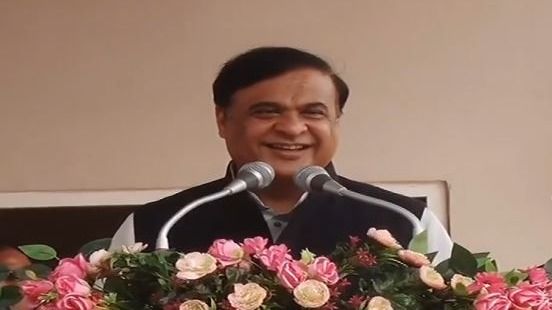
Chief Minister Himanta Biswa Sarma defended the demolition, claiming that the Mahafezkhana was a "symbol of gulami" (slavery) and not an archaeological site. However, this stance has been met with widespread criticism from citizens, social activists, and historians alike. "The demolition of Guwahati’s Mahafezkhana is unfortunate," said social activist Sanjib Kumar Borkakoti. "Heritage buildings should be protected. Brahmaputra riverfront beautification could have been carried out even while keeping the structure intact."
The Mahafezkhana’s demolition is part of the Guwahati Metropolitan Development Authority’s (GMDA) Brahmaputra riverfront beautification project. The structure, which was reportedly demolished about a year ago, has been mentioned in a GMDA coffee table book, "Forever Guwahati," as one of two structures in the city that withstood the 1897 earthquake. "With 20-inch thick walls, it was one of two structures in the city that withstood the 1897 earthquake," the book stated. The 86ft by 77ft record room served as a ready archive, containing maps, administrative orders, and all kinds of land records.
Author Mrinal Talukdar took to social media to express his outrage, stating, "OUTRAGEOUS! #Mahafezkhana — Assam’s oldest concrete structure (1855), possibly NE India’s oldest, razed by GMDA for a park. Survived 1897 & 1950 quakes, stood on 45-ft sal beams, wrapped in a verandah, guarding records for 170+ years. Now destroyed. A crime against heritage." National award-winning filmmaker Utpal Borpujari also spoke out against the demolition, saying, "What 1857 and 1950 quakes couldn’t achieve…..we as a community have no respect for heritage and history. It could have been restored, converted to a museum-cafe and preserved. But who bothers? Our civil society, media – nobody speaks out on such matters to create public opinion. A few like us may do social media outraging, and that will be the end of the story."
The chief minister’s stance on preserving historic structures has also come under fire. "Some of the property built by the British needs to be taken down. There is no point in keeping these as they are symbols of ‘gulami’ (slavery)," he said. "DC bungalow, DFO bungalow, all these are symbols of ‘poradhinota’ (enslavement). Prime minister Modi ji has also said that there is no point in protecting these." In response, critics argue that preserving heritage structures is essential for maintaining cultural identity and honoring the past.
As the controversy surrounding the Mahafezkhana’s demolition continues to unfold, one thing is clear: the importance of preserving our cultural heritage for future generations cannot be overstated.
Original Source: https://www.indiatodayne.in/assam/story/outrage-in-guwahati-over-demolition-of-mahafezkhana-cm-terms-it-symbol-of-gulami-1191703-2025-03-31?utm_source=rssfeed
Category :
Tags:
Publish Date: 2025-03-31 15:56:00