AI’s Soul-Shattering Betrayal of Studio Ghibli’s Timeless Magic: Miyazaki’s Dark Warning Becomes Harsh Reality

The Rise of AI-Generated Art: A Threat to the Soul of Creativity
The world of art and animation has been revolutionized by the latest technology, with the introduction of AI-generated portraits in the style of Studio Ghibli. The trend, which allows users to transform their photos into Ghibli-style illustrations instantly, has taken social media by storm. However, behind the veil of this innovative technology lies a deeper issue: the reduction of a painstaking art form into an automated filter.
Hayao Miyazaki, the co-founder of Studio Ghibli, has spoken out against the use of AI in the creative process. In 2016, he was shown an AI-generated animation of a zombie-like creature, and his reaction was stark: “I strongly feel that this is an insult to life itself.” Miyazaki believes that art is about human experience, joy, pain, and the imperfections that make it real. AI-generated art, on the other hand, is stripped of those qualities, mimicking but not creating, processing but not feeling.
The new ChatGPT feature, which allows users to transform photos into Ghibli-style illustrations instantly, has been praised for its realism. Even OpenAI CEO Sam Altman has adopted it as his profile picture. However, this raises a troubling question: should AI be allowed to mimic an artist’s work without consent? The reduction of a deeply personal artistic style into something mass-produced and impersonal is a worrying trend.
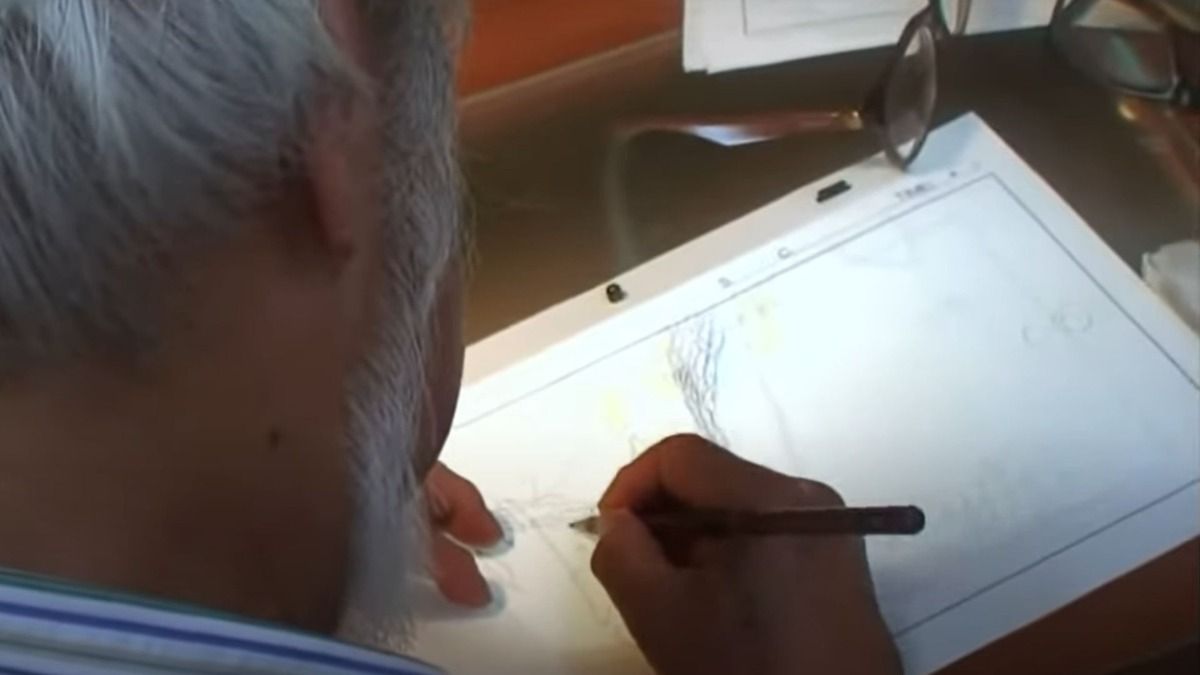
Ghibli’s distinct style, seen in films like Grave of the Fireflies, Spirited Away, and My Neighbor Totoro, was never just about aesthetics. It was about storytelling, tradition, and a philosophy that values hand-drawn animation over shortcuts. Yet, AI strips away the labor and intent behind these works, leaving behind a hollow imitation.
Furthermore, the dedicates years to perfecting single sequences. Animator Eiji Yamamori, for example, spent more than a year on a four-second crowd scene in The Wind Rises. This level of dedication is what gives Ghibli films their soul. In contrast, AI generates similar-looking images in seconds, effortlessly, but empty.
As AI continues to reshape creative industries, the ethical debate grows louder. Should art be something that can be copied and generated at will? If AI can mimic the greatest artists without their consent, where does that leave the value of true craftsmanship? The question is not whether AI can imitate art, but whether we should let it.
In conclusion, the rise of AI-generated art raises important questions about the value of creativity and the role of technology in the artistic process. As the debate continues to unfold, it is clear that the soul of creativity is at stake. Will we allow AI to mimic the greatest artists without their consent, or will we stand by the human touch that defines art? The answer lies in the balance we strike between innovation and integrity.
Original Source: https://www.indiatodayne.in/entertainment/story/insult-to-life-itself-miyazakis-warning-comes-true-as-ai-imitates-ghiblis-soul-1190525-2025-03-28?utm_source=rssfeed
Category :
Tags:
Publish Date: 2025-03-28 14:21:00