Exploring Education in Sikkim: 13 Private Universities Fully Operational – Know the Details Inside

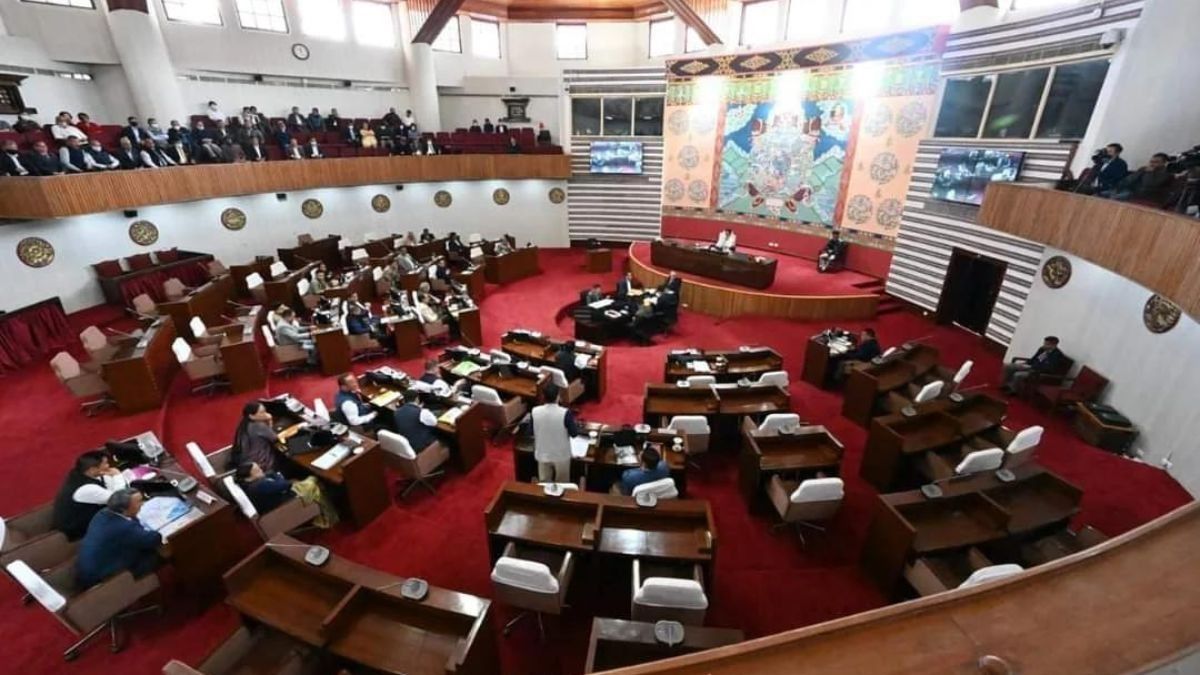
The Sikkim Legislative Assembly has passed three new university bills, sparking concerns about the quality of higher education institutions in the state. The Assembly Secretariat witnessed the passage of the Atal Bihari Vajpayee Skill University Sikkim Bill, 2025; the Sengol International University Bill, 2025; and the Fusion University Sikkim Bill, 2025. These bills were introduced by the Minister-in-Charge of the Education Department and approved without much opposition.
According to Sikkim’s Secretary of the Education Department, Tashi Chopel, the state currently has 25 private universities, with 13 fully operational and 12 awaiting the Governor’s assent for approval. The process of land transfer for these institutions is ongoing. While the government has expressed its commitment to establishing at least one university in each constituency, concerns have been raised about the increasing number of private universities in the state.
Komal Chamling, the in-charge of Cheli Morcha, Sikkim Democratic Front (SDF), raised concerns about the rapid approval of new universities. She questioned how charitable trusts, registered only a few years ago, are being allowed to establish higher education institutions in Sikkim. Chamling pointed out that the ruling Sikkim Krantikari Morcha (SKM) government has already approved 30 university bills in the last five to six years. She expressed concern over the quality of these universities and their impact on students.
Chamling also alleged that some of these universities are linked to organizations with questionable backgrounds. She specifically mentioned the Research and Gyan for Noble Upliftment Trust, which has reportedly been involved in fraud cases in Manipur. Chamling accused the government of allowing such organizations to take advantage of Sikkim’s education system. She further questioned why the government is not bringing reputed institutions to Sikkim, arguing that institutions like Sikkim Manipal Institute of Technology (SMIT) have already built a strong reputation.
On the other hand, Sikkim Chief Minister Prem Singh Tamang, also known as Golay, has a different vision for higher education in the state. He believes that the presence of universities in different areas will contribute to the overall development of the state. According to him, higher education institutions can bring more opportunities, create employment, and boost the local economy. His vision is to decentralize education, making it accessible to students from all parts of Sikkim.
The government’s decision to establish more universities has raised concerns about the quality of education and the potential impact on students. While the aim of providing higher education opportunities to students from all parts of Sikkim is commendable, the need to ensure that these institutions meet certain standards cannot be overstated. The government must balance the need to promote higher education with the need to ensure that these institutions are credible and provide quality education to students.
Original Source: https://www.indiatodayne.in/sikkim/story/sikkim-13-of-25-private-universities-fully-operational-check-details-inside-1190390-2025-03-28?utm_source=rssfeed
Category :
Tags:
Publish Date: 2025-03-28 10:17:00