
In a critical diplomatic breakthrough, Ukraine has agreed to a Trump administration proposal for a 30-day cease-fire with Russia, following intense negotiations. As the Ukrainian delegation departed Saudi Arabia, they received the vital news that U.S. military assistance had resumed. Gosha Tykhyi, a spokesperson for Ukraine’s Foreign Minister, expressed the immense relief felt after the announcement, noting that receiving confirmation while en route home was the best reward for a demanding day of talks.
The resumption of U.S. military support, encompassing weapons deliveries and intelligence sharing, was a key outcome of discussions held in the coastal city of Jeddah. Ukraine’s agreement to a temporary cease-fire, contingent upon Russia’s acceptance, marks another pivotal development. Despite deep skepticism over Russia’s willingness to comply, the renewal of American support is viewed positively as it potentially mends strained ties between Kyiv and Washington.
Ukrainian President Volodymyr Zelensky thanked President Donald Trump for facilitating a constructive dialogue. This expression of gratitude followed criticism over an earlier Oval Office meeting that ended disastrously, leading to the suspension of military aid. The suspension occurred amid rising tension as the White House seemed to edge closer to Russia, placing added pressure on its ally, Ukraine.
In response to the rift, Ukrainian officials have been actively working to improve relations with the Trump administration. French and British advisors supported the Ukrainian delegation with preparation for the Jeddah meetings. Tykhyi emphasized the importance of controlling emotions during the negotiations, acknowledging the influence of past diplomatic missteps on Ukraine’s approach to finding common ground and making necessary compromises.
The eight-hour negotiation session concluded with U.S. Secretary of State Marco Rubio stating that the onus is now on Russia to demonstrate its willingness to end the ongoing conflict. President Zelensky echoed this sentiment, urging Russia to show readiness for peace, cautioning that the challenge lies in making such peace lasting. Historically, Ukraine’s skepticism is grounded in Russia’s violations of previous cease-fires in 2014 and 2015 and its denial of invasion intentions in 2022.
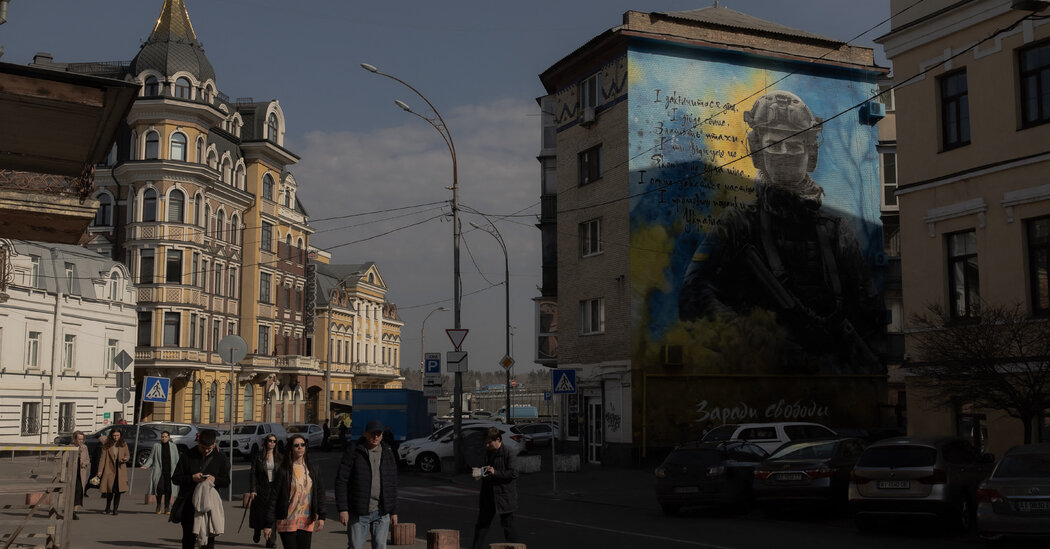
The potential cease-fire’s execution remains shrouded in uncertainty. Oleksandr Kovinko, a soldier in eastern Ukraine, voiced doubts, saying, “We adhere to it, the enemy does not.” Meanwhile, many Ukrainians feel disillusioned with the U.S. administration’s recent actions. Yulia Podkydysheva, a charity worker in Chernivtsi, expressed concern over the U.S.’s shifting alliances but acknowledged a temporary reprieve from conflict. The anticipation of further struggles looms, though, as the future beyond the 30-day cease-fire appears uncertain.
The international community watches closely as the situation unfolds, with hopes for a durable resolution remaining uncertain. As diplomatic efforts continue, Ukraine and its Western allies seek to ensure that the path toward peace is irreversible. Liubov Sholudko contributed to this report.
Original Source: https://www.nytimes.com/2025/03/12/world/europe/ukraine-russia-cease-fire-skepticism.html
Category : Russian Invasion of Ukraine (2022),United States International Relations,Trump, Donald J,Zelensky, Volodymyr,Ukraine,Russia,United States
Tags:
Publish Date: 2025-03-12 17:58:00