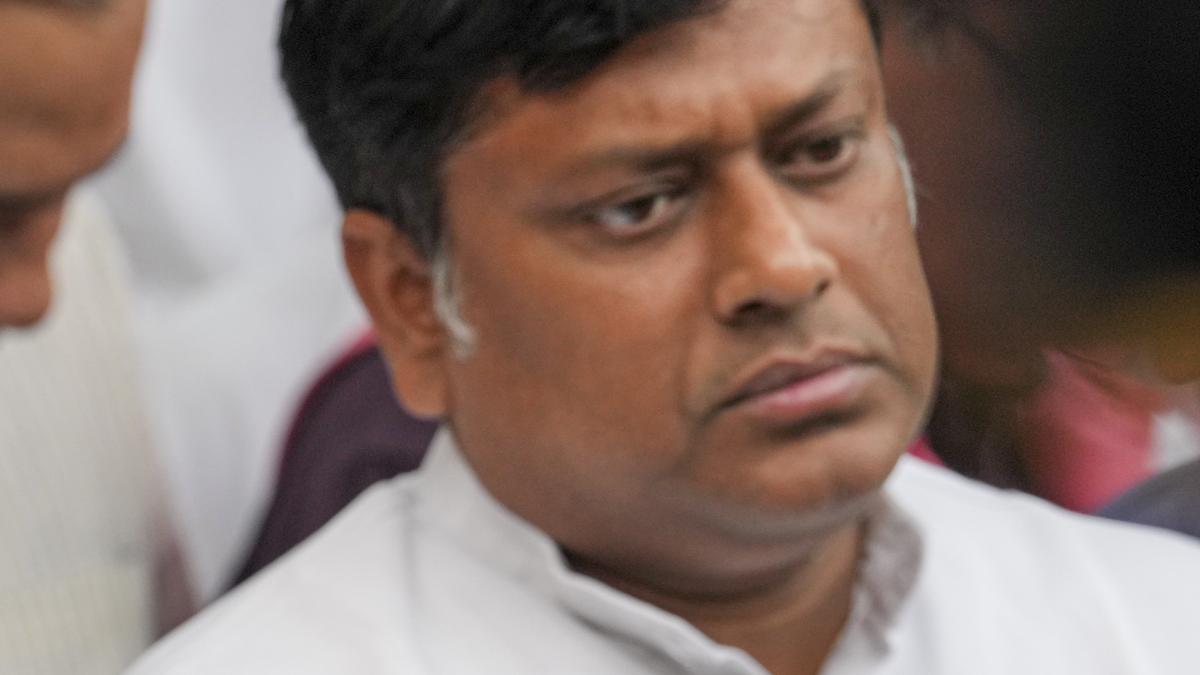

Union Minister of State for Education, Sukanta Majumdar, has openly criticized the Tamil Nadu government for allegedly politicizing the implementation of the National Education Policy (NEP) 2020. Speaking with the press outside Parliament on March 11, 2025, Majumdar accused the state government of hypocrisy, suggesting that their refusal to adopt NEP 2020 is a strategic move tied to the upcoming elections in Tamil Nadu.
Dismissing allegations of discriminatory practices towards Tamil Nadu, Majumdar emphasized the NEP’s advocacy for instruction in students’ mother tongues up to Class V. “In Tamil Nadu, the mother tongue is Tamil; where is the problem then?” Majumdar asked rhetorically. He argued that the state’s resistance to adopting the NEP and the three-language policy is politically motivated.
The debate over NEP 2020’s implementation in Tamil Nadu has gained traction recently, resonating through Indian Parliament proceedings on March 10, 2025. Members of the Dravida Munnetra Kazhagam (DMK) party actively protested comments from Union Education Minister Dharmendra Pradhan, who accused the Tamil Nadu government of dishonesty regarding the PM Schools for Rising India (PM SHRI) initiative. This led to a temporary 30-minute adjournment of the Lok Sabha session.
According to Pradhan, Tamil Nadu has altered its stance on the PM SHRI scheme, an initiative aimed at bolstering educational institutions under central, state, or local management. For the scheme to move forward, Tamil Nadu is required to sign a Memorandum of Understanding with the central government, committing to the implementation of NEP 2020. The Centre has assured funding contingent upon this agreement.
The confrontation underscores ongoing tensions between the central government and Tamil Nadu’s administration over educational reforms perceived by some as controversial. Central authorities maintain that the NEP 2020 strives to enhance educational quality by emphasizing cultural integrity through language, while the state perceives it as potentially threatening to regional autonomy.
The NEP 2020 overall aims to reshape India’s educational landscape, promoting multilingualism and holistic learning from a young age. However, the resistance from some state governments, particularly in regions with distinct linguistic identities like Tamil Nadu, highlights the complexities involved in broad policy execution across India’s diverse states.
This incident not only emphasizes internal political disparities but also raises questions about the relationship between central governance and regional identity issues. As the debate unfolds, stakeholders nationwide are closely monitoring the development, understanding it as indicative of the broader struggles in modernizing India’s educational framework while respecting local cultures and political dynamics.
The unfolding scenario clearly reflects the blend of education, politics, and regional advocacy, setting the stage for further discussions as Tamil Nadu approaches its imminent state elections.
Original Source: https://www.thehindu.com/news/national/tamil-nadu-government-refusing-to-implement-nep-for-political-reasons-union-minister-sukanta-majumdar/article69318230.ece
Category : India
Tags:
Publish Date: 2025-03-12 02:05:00