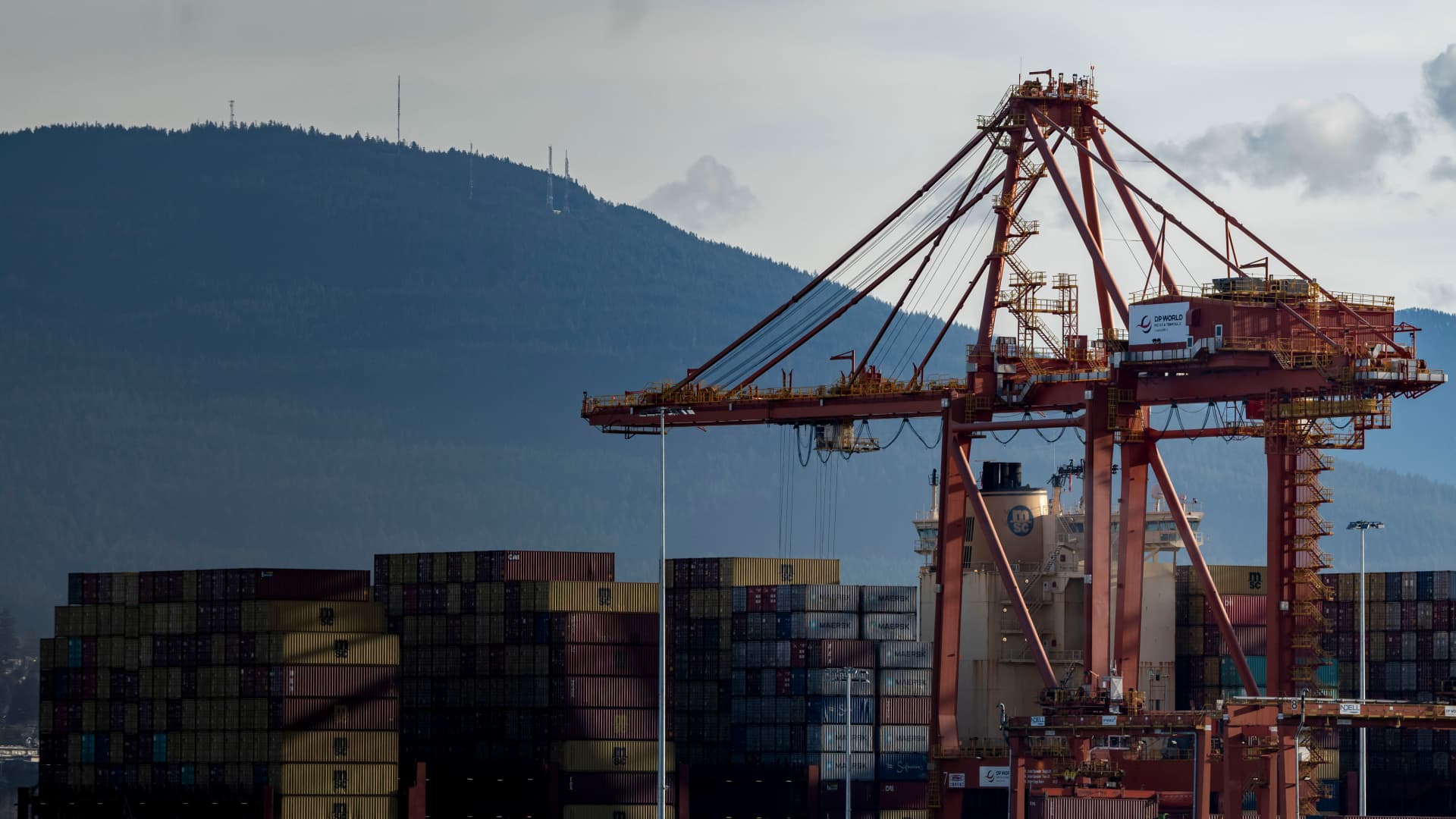

China has announced a series of retaliatory tariffs on Canadian agricultural goods, escalating tensions in a multifaceted trade dispute. This move comes after Canada imposed import duties on Chinese-made electric vehicles, as well as steel and aluminum products. The Chinese government revealed on Saturday that it will enforce a 100% tariff on Canadian rapeseed oil, oil cakes, and peas. Additionally, a 25% levy will target Canadian aquatic products and pork, starting March 20, as detailed by the Customs Tariff Commission of the State Council.
The escalating tariff exchange is part of a broader global trade conflict that has seen several major economies, including the U.S., China, Canada, and Mexico, engage in a cycle of retaliatory measures. Last October, Canada introduced a 100% tariff on Chinese electric vehicles, aligning with similar actions by the U.S. and the European Union. These measures reflect Western concerns over what they label as unfair competitive practices by Chinese manufacturers. Moreover, Canada extended its tariff policy to include a 25% duty on Chinese steel and aluminum products, which took effect on October 15.
A statement from China’s customs authorities criticized Canada’s tariffs, asserting, “Canada’s unilateral imposition of tariffs disregards objective facts and World Trade Organization rules and is a typical trade protectionist practice.” This tough stance illustrates how deeply these measures have impacted China-Canada trade relations, souring what was once a robust bilateral economic relationship.
The international trade environment is becoming increasingly complex, and the effects of these tariffs can potentially ripple through various sectors. Analysts have noted that the Canadian agricultural industry is likely to be the hardest hit, with rapeseed oil, oil cakes, and peas facing the steepest tariffs. In the aquatic and pork industries, the 25% levy adds a substantial burden, potentially challenging exporters’ market access and profitability.
Domestic producers in Canada could feel a significant impact from Beijing’s decision, especially in light of the Asian giant’s role as a key export destination. The Canadian government has yet to issue a comprehensive response, but the imposition of these tariffs raises the stakes and risks further retaliatory measures. As the global trade collaboration continues to fray, economists emphasize the necessity of diplomatic negotiations to mitigate the economic disruption that these tariff escalations can cause.
This latest trade skirmish poses questions about the future of international trade policies and highlights the delicate balance required to maintain productive international economic relationships. For all involved parties, the challenge lies in navigating these disputes without causing long-term damage to essential trade connections. Observers will undoubtedly keep a keen eye on developments in the coming weeks, as the March implementation date approaches.
The situation underscores the increasingly intricate interplay of global economics, policy, and industry strategy. Stakeholders in related sectors would do well to monitor progress closely, understanding that the path to resolution is as critical as the policies themselves. With key players at loggerheads, comprehensive trade agreements and diplomatic finesse remain crucial to restoring balanced international trade relations.
Original Source: https://www.cnbc.com/2025/03/08/trade-war-china-to-slap-retaliatory-tariffs-on-some-canadian-products.html
Category :
Tags:
Publish Date: 2025-03-08 10:44:00