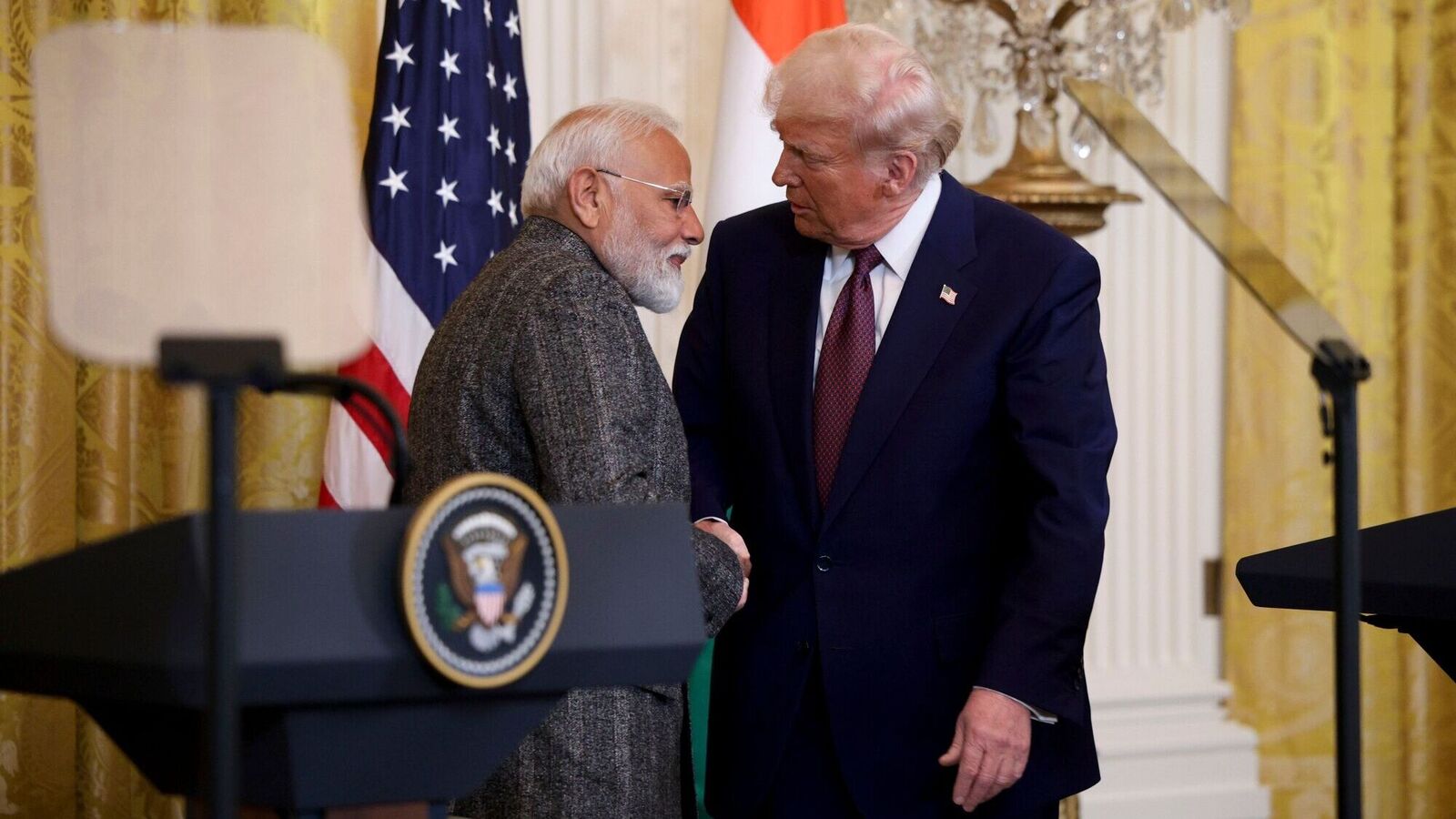

In a recent development, U.S. President Donald Trump has announced the imposition of reciprocal tariffs on countries that levy duties on American products, set to commence on April 2. This move targets nations like India, Canada, and Mexico. Trump expressed this strategy during his address to Congress on Tuesday, emphasizing a firmer stance on international trade policies. Following this announcement, the president delayed the implementation of 25% tariffs on many imports from Mexico and selected goods from Canada for 30 days. However, he clarified that this postponement is only temporary, indicating a more comprehensive tariff policy will be activated as planned starting April 2.
On Thursday, Trump reiterated his intent to enforce these tariffs during a session in the Oval Office while signing several executive orders. He mentioned that the “big one,” referring to the significant tariff enforcement, is scheduled for April 2. Highlighting India as a nation with notably high tariffs, Trump stressed the necessity of these countermeasures to balance international trade dynamics. The Associated Press quoted him as saying that existing temporary tariffs, primarily affecting Mexico and Canada, would soon be augmented by these new measures.
The repercussions of this tariff policy have prompted responses from targeted countries. In India, External Affairs Minister S. Jaishankar addressed the situation while attending an event at Chatham House in London. During the event, Jaishankar disclosed ongoing discussions with the United States about formulating a separate bilateral trade agreement to mitigate potential impacts from these upcoming tariffs. He noted, “We had a very open conversation about it, and the result of that conversation was that we agreed on the need for a bilateral trade agreement.” Correspondingly, Indian Commerce Minister Piyush Goyal is currently on an extensive visit to the U.S. to engage in trade negotiations aimed at addressing these challenges.
The economic implications of the U.S. tariff strategy are multifaceted. According to a recent report by Prabhudas Lilladher, a notable asset management firm, the Indian chemical industry could potentially benefit from the tariffs imposed on China, Canada, and Mexico. The report suggests that American companies might pivot towards India as an alternative source for chemical imports due to the severe tariffs on Chinese goods. With the U.S. levying a 20% tariff on Chinese chemicals compared to just a 10% retaliatory tariff on Indian products, Indian exporters could seize this as a cost advantage, potentially increasing their market share in the U.S.
As this situation develops, India’s strategic response and its impact on U.S.-India trade relations will be closely monitored. For businesses in India, particularly in the chemical sector, this could represent a significant opportunity amid the shifting trade dynamics initiated by the Trump administration. Stakeholders are urged to stay informed about these changes to optimize their positioning in the evolving global market landscape.
Stay updated with the latest developments in business and global trade by following breaking news events as they unfold. For real-time updates, download the Mint News App to receive daily market insights and business news briefings.
Original Source: https://www.livemint.com/news/india/how-india-is-buckling-up-for-us-tariff-as-donald-trump-calls-it-very-high-tariff-nation-11741324900159.html
Category :
Tags:
Publish Date: 2025-03-07 10:57:00