From Tragedy to Triumph: Unveiling the Stigma of HIV and the Empowering Birth of Biomedical Waste Regulations

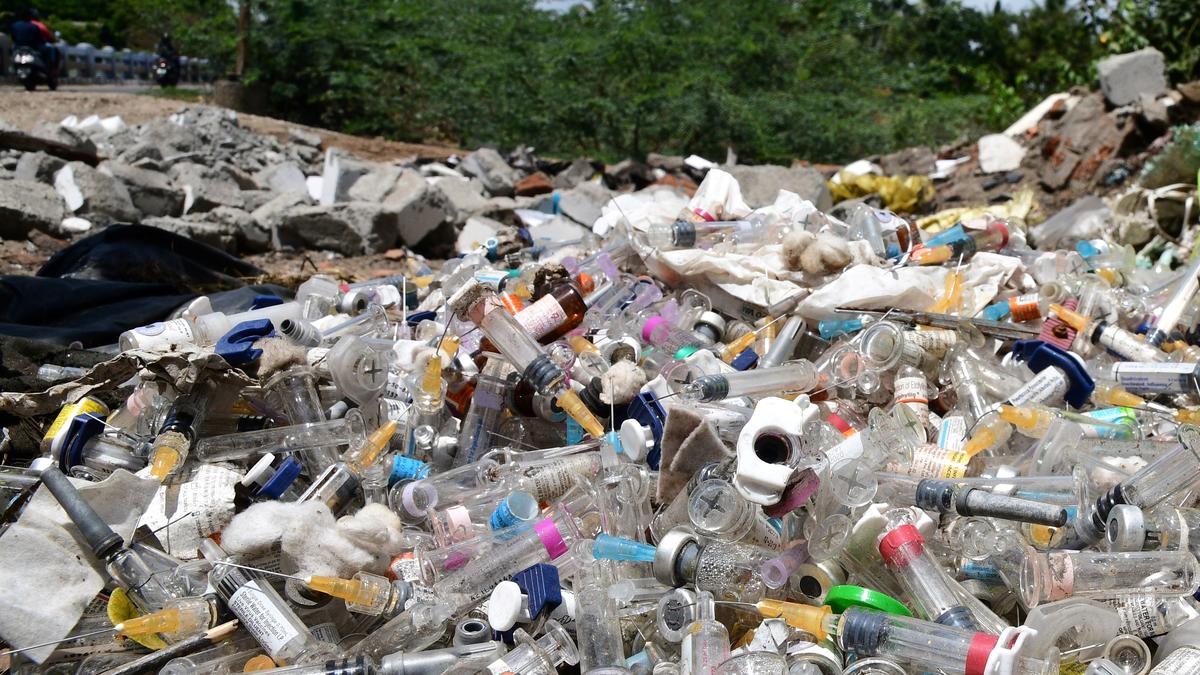
In August 1987, U.S. beaches were hit by the “Syringe Tide,” when used syringes and other medical waste washed up on the Jersey Shore and New York City beaches. This shocking sight, tied to improper waste disposal from New York City, coincided with the height of the AIDS epidemic. As public fear and stigma around HIV/AIDS soared, the incident’s economic impact was severe, costing up to $7.7 billion in lost tourism. In response, the U.S. enacted the Medical Waste Tracking Act of 1988, pioneering stringent regulations for medical waste disposal and marking a critical shift in public health policy.
In contrast, India’s journey to managing biomedical waste was slower. Although the Environmental Protection Act was enacted in 1986, it was only in the late 1990s that India recognized hospital waste as hazardous. The landmark case of Dr. B.L. Wadehra vs. Union of India in 1996 highlighted the issue, prompting the introduction of the Biomedical Waste (Management and Handling) Rules in 1998. This empowered authorities to regulate waste disposal effectively.
India’s progress since the 1990s is notable, with significant updates to waste management protocols in 2016 and 2020. Despite ongoing challenges, particularly in rural areas, the nation’s commitment to improving environmental and occupational safety is evident. The global response to the HIV crisis has inadvertently advanced healthcare practices worldwide, underscoring the idea that crises can be catalysts for meaningful change.
(Dr. C. Aravinda is an academic and public health physician. The views expressed are personal. aravindaaiimsjr10@hotmail.com) Published – November 28, 2024, 10:47 pm IST.
Original Story https://www.thehindu.com/news/national/tamil-nadu/stigma-of-hiv-and-birth-of-biomedical-waste-regulations-a-story-of-tragedy-and-reform/article68908394.ece
Category :
Tags:
Publish Date: 2024-11-28 22:47:00