Revolutionary Breakthrough: How Nobel-Winning MicroRNA Discovery Transforms Cancer Diagnosis and Therapies | Health and Wellness News

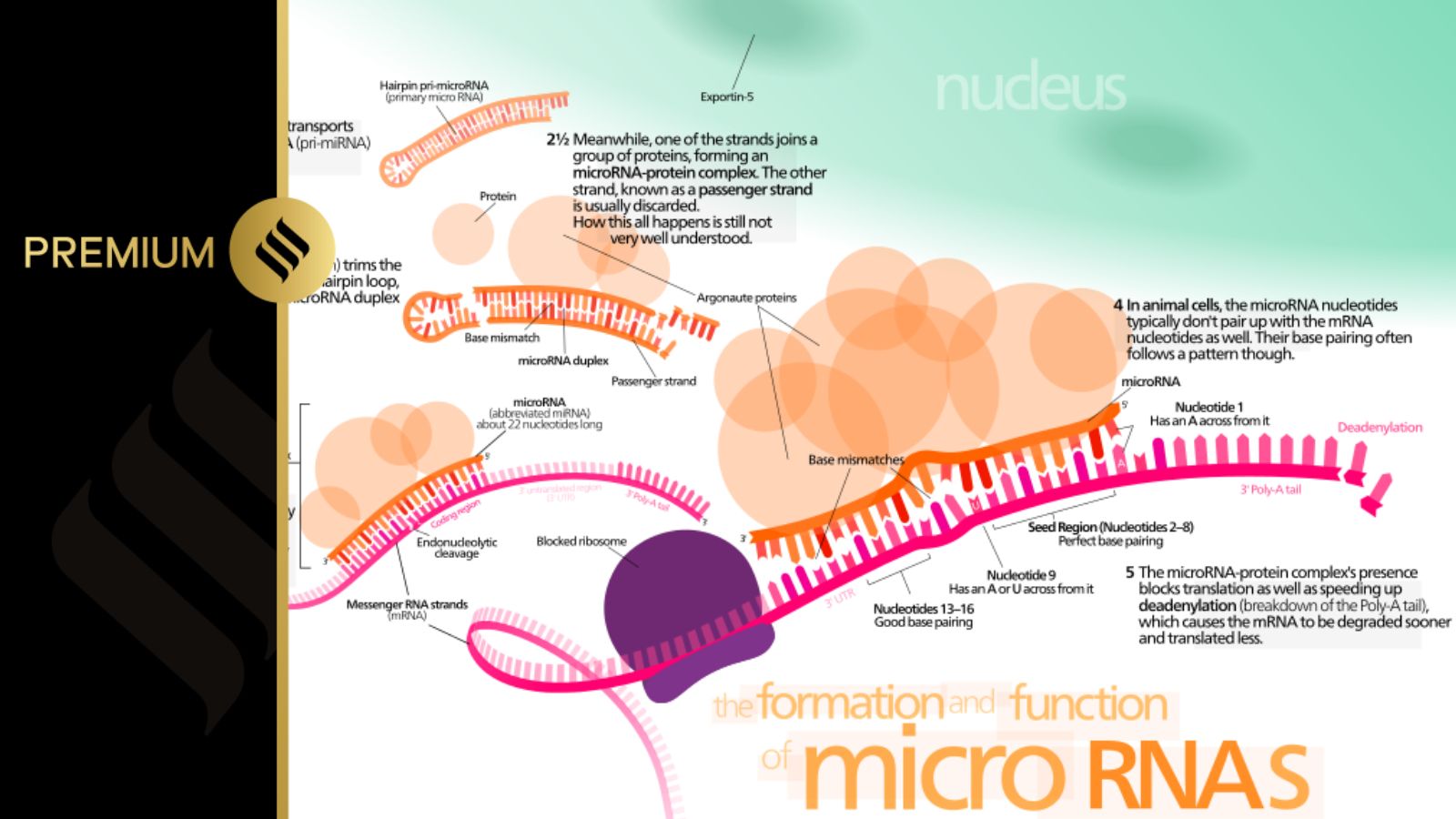
Recent advances in medical research suggest that microRNA, a small molecule found in cells, may hold the key to diagnosing and treating diseases like cancer, Alzheimer’s, and viral infections. Unlike the DNA and RNA, microRNA helps regulate the types and amounts of proteins cells produce, potentially offering new diagnostic and therapeutic pathways.
Victor Ambros and Gary Ruvkun, who discovered microRNA in 1993, were awarded the Nobel Prize for their pioneering work. Today, researchers in India are leveraging this discovery. Dr. Lekha Dinesh, at the Centre for Cellular and Molecular Biology, has demonstrated that measuring specific microRNA levels from tumor samples can quickly diagnose and stage colorectal cancer, reducing diagnosis time to hours post-biopsy. Additionally, efforts are underway to develop a blood test for this purpose.
For Alzheimer’s, scientists at the National Institutes of Pharmaceutical Education and Research-Raebareli (NIPER-R) are exploring how microRNAs can adjust levels of the protective protein Nrf2, potentially defending against oxidative stress linked to the disease. This could pave the way for new tests and treatments, though cures are not imminent.
In infection control, Dr. Anupam Mukherjee and his team at ICMR are studying microRNA’s role in combatting viruses like hepatitis C and HIV. MicroRNAs can alter protein levels to inhibit viral replication and mitigate infection, offering fewer side effects compared to conventional antiviral drugs.
These promising avenues highlight microRNA’s potential as a naturally occurring therapeutic tool, with ongoing research needed to translate these findings from the lab to clinical applications.
Original Story https://indianexpress.com/article/health-wellness/cancer-nobel-prize-microrna-alzehimers-dna-9689415/
Category :
Tags:
