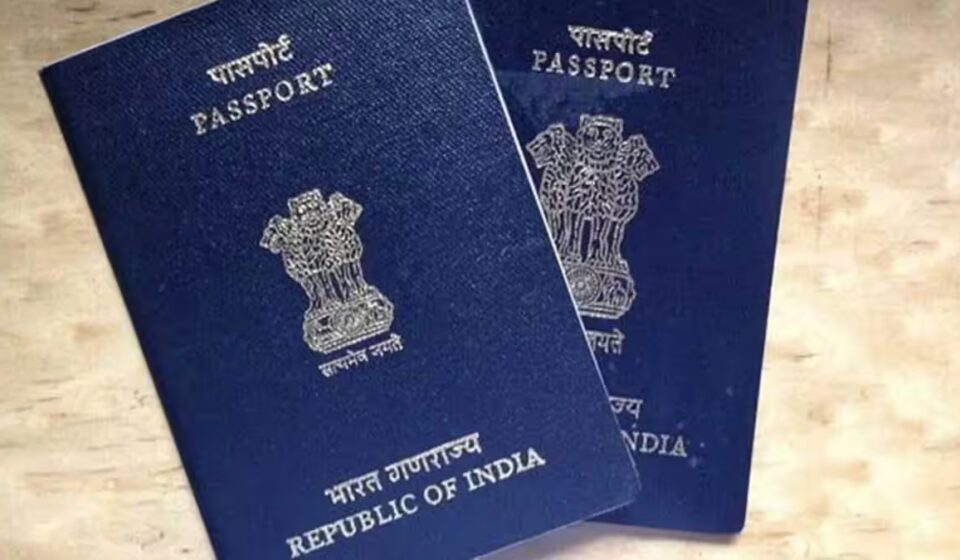

India has overhauled its visa system for the second time in under a year, cutting the number of main visa categories from 13 to nine and sub-categories from 49 to 23 in a bid to make it easier for foreign nationals to visit the country for tourism, business, medical treatment and education. The Ministry of Home Affairs, which announced the changes on Wednesday, said the exercise was aimed at reducing overlapping categories, simplifying application procedures and encouraging legitimate foreign travel to India.
Application forms across all 23 sub-categories have also been simplified, with the number of required fields reduced by around 65 to 70 per cent. The government expects the changes to save applicants time and make the processing of applications more efficient. The overhaul, undertaken on August 27, 2026, is the second phase of a broader exercise; in October 2025, the government had already reduced the main visa categories from 22 to 13 and sub-categories from 63 to 49.
One of the most significant changes is the renaming of the Tourist Visa as the Visitor Visa, which now covers a wider range of activities beyond conventional tourism. The new category has two sub-categories. The V-1 visa will allow short-term visits for activities such as business meetings, medical consultations, wellness retreats, short medical treatment and short courses in Indian languages, music, art and crafts; it will be issued for 30 days with multiple entries. The V-2 visa will cover longer visits with validity of one, five or 10 years, depending on eligibility, and will also cover mountaineering, for which a six-month multiple-entry visa will be available.
The government has retained separate arrangements for conventional medical treatment and AYUSH-based healthcare. The M-1 visa will cover treatment other than AYUSH, while the M-3 category will be meant for AYUSH treatment. Both will generally be issued for one year with multiple entries, and separate attendant visas, M-2 and M-4, will be available for people accompanying patients. The changes are expected to make it easier for foreign patients requiring multiple consultations or follow-up procedures to travel to India without repeatedly applying for visas.
Student visas have been consolidated into two categories. S-1 will cover school, graduate and postgraduate education, while S-2 will include PhD scholars, researchers, visiting faculty, internships and student exchange programmes. Eligible foreign students enrolled through the Study in India portal will be able to obtain e-S1 visas for up to five years or the duration of their academic course, whichever is shorter.
Business visas have been divided into B-1 and B-2 categories. The former will cover longer-term, licence-based activities, including setting up businesses and industrial ventures in India, while the latter will cover shorter contractual assignments, conferences, sports, films and other specified activities. A specific provision has also been introduced for foreign technical specialists and engineers involved in setting up factories, installing machinery, maintaining equipment, training workers and transferring technology, who can apply under the Production Investment Business Visa through the e-visa system.
The government said the simplified framework was designed after studying visa systems in developed countries and international practices. Currently, e-visas are available to citizens of 172 countries across 13 sub-categories. The Ministry of Home Affairs is updating its information technology systems to implement the revised framework, and visas are expected to start being issued under the new system by the end of 2026.
Original Source: https://www.firstpost.com/india/india-makes-visa-applications-easier-for-foreigners-cuts-paperwork-by-up-to-70-under-new-rules-14059382.html
Category: India
Tags:
Publish Date: 2026-11-11 22:56:00