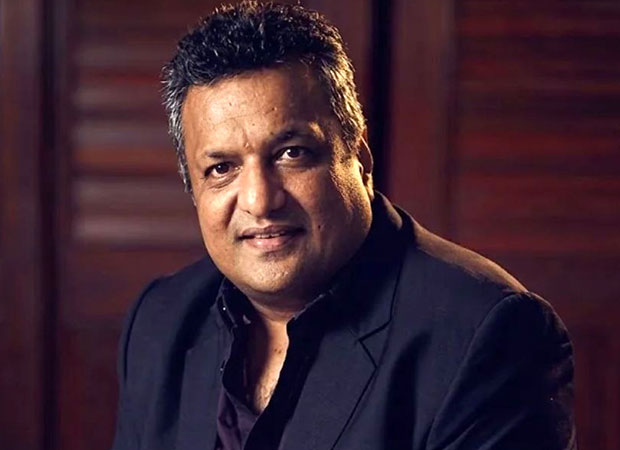
Sanjay Gupta Funeral: Final Rites Confirmed for Oct 31 at Mumbai’s Pawan Hans Crematorium — Bollywood Buzz You Can’t Miss

The Final Curtain Call: Sanjay Gupta’s Farewell and the End of an Era of Gritty Cinema
Mumbai, the city of dreams, often wakes up to the harsh reality of broken ones, and Saturday, October 31, was no different. A somber chill settled over the film fraternity as the news broke of filmmaker Sanjay Gupta’s untimely demise. The director, renowned for painting the silver screen with strokes of blood, grit, and high-octane drama, passed away in the morning, leaving behind a legacy that defined a specific, stylish brand of Hindi cinema.
The industry, which often functions as a family, immediately swung into action. Producer Ashoke Pandit, a close associate of the deceased, took to Instagram to share the heavy news on behalf of the grieving family. The message was simple yet devastating in its finality: “We regret to inform you of the sad demise of our beloved Sanjay Gupta.” In a show of solidarity that is expected at such dark hours, the family confirmed that the final rites and cremation would be held at the Pawan Hans Crematorium in Vile Parle later today.
The note extended a heartfelt invitation to friends, colleagues, and well-wishers, requesting their presence and prayers to bid adieu to the man who gave us some of the most stylistic thrillers of the 90s and 2000s. By the afternoon, a steady stream of industry heavyweights was seen arriving at Gupta’s residence, a testament to the immense respect he commanded. These aren’t just visits; they are silent tributes from a fraternity that understands the void a visionary leaves behind.
Sanjay Gupta wasn’t just a director; he was the chief architect of the Indian neo-noir. He burst onto the scene in 1994 with Aatish: Feel the Fire, starring Sanjay Dutt-a collaboration that would become a recurring theme in his career. Their bond was legendary, with Dutt recently penning an emotional tribute to his “brother,” vowing to fulfil Gupta’s dream of making Kaante 2. That film, a 2002 heist drama that redefined the genre, remains a cult classic.
Gupta’s filmography reads like a masterclass in commercial cool. He gave us the stylised violence of Shootout at Wadala (2013) and the emotional grit of Kaabil (2017). While he was associated with the iconic Shootout at Lokhandwala (2007), his signature visual style-that slick, moody, neo-noir approach-left an indelible imprint on an industry that often plays it safe.
His passing isn’t just the loss of a filmmaker; it’s the end of a chapter in Hindi cinema where style met substance with unapologetic flair. As the sun sets on Pawan Hans today, it will mark the final wrap for a director who knew exactly how to capture the darkness on screen. Our thoughts and prayers are with his family. Rest in power, Sanjay Gupta. Your work will continue to flicker on screens, long after the final credits roll.