
The Rajkot Municipal Corporation (RMC) has identified 4,731 potential mosquito breeding sites across 59.39 sq km through drone-based surveys and AI-assisted surveillance to control dengue, malaria and chikungunya. Field staff have treated 1,340 sites through insecticide spraying and source-reduction measures, while drones have sprayed insecticide for 40 hours and nine minutes, according to data released on Friday.
The survey is under way in high-risk wards, including Wards 3, 4, 11, 13 and 18. The surveyed area is part of the civic body’s total area of 161.85 sq km.
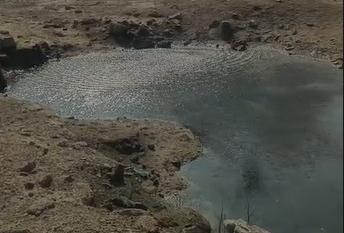
Drones are being used over drains, waterlogged areas, pits and depressions in riverbeds, particularly at locations where conventional spraying is difficult or poses a risk. Details collected during the surveys are passed to health workers in the respective wards and urban health centres. These teams verify the sites and carry out insecticide spraying and source-reduction work where needed.
Between September 17 and 23, field staff carried out larval-control activities at 150,172 houses, while fogging covered 933 houses. Vehicle-mounted fogging machines were deployed in areas with high mosquito density, as well as residential societies, public roads and places drawing large crowds.
Health officials also inspected 409 non-residential premises for mosquito breeding, including construction sites, schools, hospitals, hotels and industrial facilities. The department issued 312 notices in residential areas and 92 in commercial areas over mosquito-breeding sites, with administrative charges recoverable under applicable bylaws.
Dengue-prevention inspections also focused on water-holding containers in homes, shops, apartments and commercial establishments. Such containers can become breeding grounds for Aedes mosquitoes, which transmit dengue.
Separately, municipal health staff conducted waterborne-disease surveillance between September 17 and 23, covering 304,556 people. They distributed 6,559 chlorine tablets and 743 oral rehydration solution (ORS) packets and conducted 3,484 R.C. tests.
The RMC urged residents to prevent water from accumulating in and around their homes, cooperate with health teams in eliminating mosquito breeding sites, maintain drinking-water hygiene, and consume boiled or properly purified water. It also asked residents to support health department teams during drone surveys.
Original Source: https://tripurachronicle.in/national-news/rajkot-civic-body-uses-drones-ai-to-identify-4731-potential-mosquito-breeding-sites/
Category: National News
Tags:
Publish Date: 2026-09-25 12:39:00