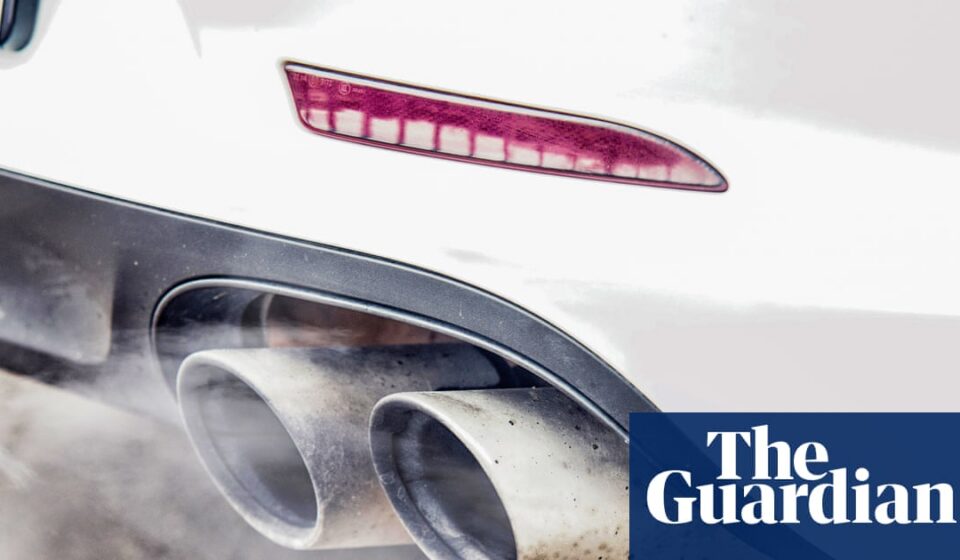

Researchers at Queen’s University Belfast report that exposure to certain forms of air pollution is linked with a higher risk of suicide, suicide attempts and suicidal thoughts, according to a study published in the Journal of Epidemiology and Community Health. The team’s meta-analysis of 29 studies found associations between airborne fine particulate matter (PM2.5) and nitrogen dioxide (NO2) and increased suicidal behaviour, while a narrative review of 16 further studies suggested links with other pollutants and noise. Evidence for light and water pollution was inconclusive.
The authors argue the findings support viewing environmental pollution as a modifiable public‑health factor that could be considered in suicide prevention strategies. They call for integration of environmental health into mental‑health policy through cross‑sector collaboration, pollution reduction measures and targeted public‑health interventions to improve population mental wellbeing.
Experts welcomed the research but urged caution about its interpretation. Jess Moody of Samaritans said the study highlights how living environments and inequalities can affect suicide risk and welcomed research that connects suicide with wider public‑health concerns, while stressing the complexity of suicide causes. Jon Van Niekerk of the Royal College of Psychiatrists noted the study suggests a small association for some air pollutants but “did not establish that air pollution itself caused suicidal thoughts or attempts,” adding that air pollution is closely tied to factors such as socioeconomic deprivation, urban living, physical health and housing.
Other academics questioned causal claims. Rosie Cornish at the University of Bristol warned that if pollution is not a true cause of suicide risk, reducing pollution alone may not prevent suicides. Stephen Burgess of the University of Cambridge cautioned the research “confuses two fundamentally different concepts: causation and association,” and said further work is needed to rule out other factors that could explain the observed links.
Globally, more than 720,000 people die by suicide each year; it is the third leading cause of death among 15‑ to 29‑year‑olds, according to the World Health Organization. The Belfast study adds to growing evidence that environmental exposures may matter for mental health, but it also underscores the need for more research to determine whether the observed associations are causal and how pollution reduction could fit into comprehensive suicide‑prevention policies.
If you or someone you know is struggling, support is available: in the UK and Ireland Samaritans are on 116 123; in the US call or text the 988 Suicide & Crisis Lifeline at 988 or chat at 988lifeline.org; in Australia Lifeline is 13 11 14. Other international helplines can be found at befrienders.org.
Original Source: https://www.theguardian.com/environment/2026/sep/15/air-pollution-linked-to-higher-suicide-risk-research-suggests
Category:
Tags:
Publish Date: 2026-09-16 03:01:00