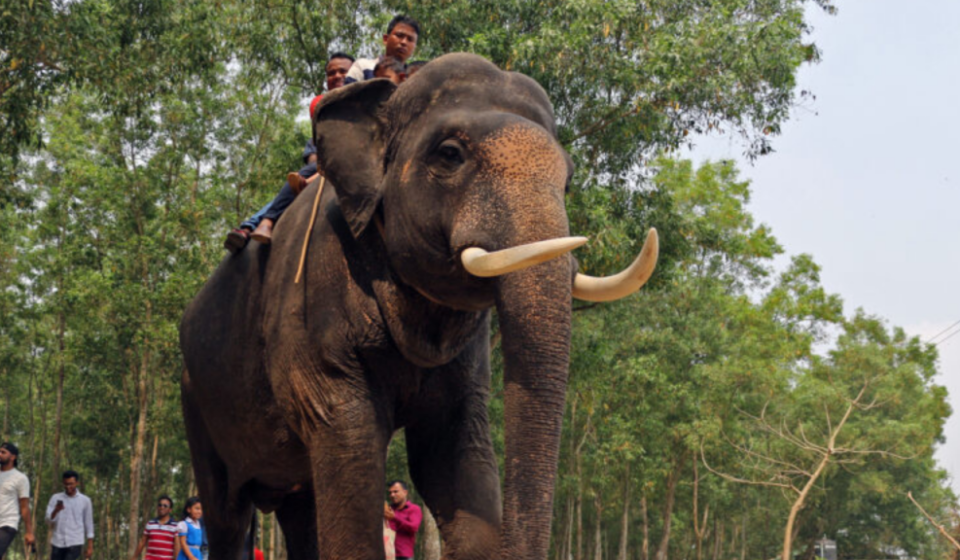

Guwahati — A new commentary in the Journal of Wildlife Science argues that India developed a detailed, systematic body of knowledge about elephants centuries before modern wildlife science emerged. Titled “Gaja-sastra: India’s forgotten Elephant Science,” the paper by Ramesh Kumar Pandey of the Ministry reports that ancient Indian texts record elephant behaviour, health, training and welfare, offering a long-standing empirical tradition on these animals.
Pandey’s commentary traces how classical works organized practical and observational knowledge on elephants: descriptions of temperament and behaviour, methods for diagnosing and treating illness, and techniques for training and caring for captive animals. According to the piece, these texts reflect sustained, evidence-based attention to elephant biology and management that predates contemporary zoological study.
The article underscores the significance of this heritage for today’s conservation and welfare debates. By documenting centuries-old practices and concepts, Gaja-sastra provides historical context that can help scientists, veterinarians and policymakers better understand traditional approaches to elephant care and human–elephant relationships. The commentary suggests that integrating this historical knowledge with modern science could enrich strategies for conservation, health management and humane training.
The reporting appeared on EastMojo and draws attention to a lesser-known strand of Indian natural history scholarship. By spotlighting Gaja-sastra, the commentary invites renewed scholarly and practical engagement with India’s traditional expertise on elephants, at a time when conservation and animal welfare remain pressing public concerns.
Original Source: https://eastmojo.com/news/2026/08/18/long-before-modern-conservation-india-was-studying-elephants/
Category: Assam,National News,News,Northeast News,Premium ,Top News
Tags:
Publish Date: 2026-08-18 11:38:00