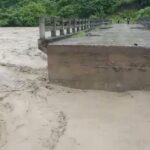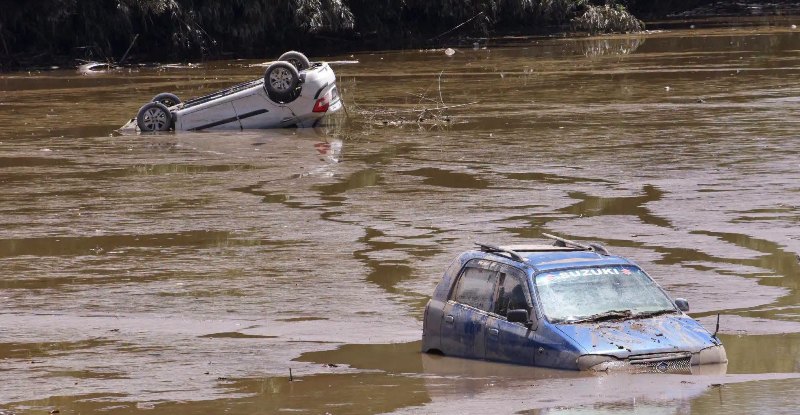

On July 19, floods that began in upper Assam submerged Sivasagar, Charaideo and Jorhat before spreading to Golaghat, renewing scrutiny of long‑running illegal mining and quarrying blamed for weakening riverbeds and destroying aquatic habitats. An official letter dated April 22 last year (Letter No. ALA/LOP/17/4581) from Debabrata Saikia — then Leader of the Opposition and former Nazira MLA — to the state Chief Secretary alleges continued unauthorised extraction in the Ougurijan Tea Estate, the Bihubor‑Ougurijan belt and the bed of the Dikhow River, and warns that these activities have put bridges and local communities at risk.
Saikia told officials that repeated complaints, media reports and judicial interventions had failed to stop the damage. He says he filed a Public Interest Litigation (PIL No. 78/2018) in the Gauhati High Court over mining near the Ougurijan stream; the Division Bench reportedly directed authorities to act, but the state did not form the High‑Powered Committee and Task Force Battalion ordered to protect the Dikhow’s fragile ecosystem. Saikia later moved a contempt petition (Case No. 66 of 2021) against top officials, arguing that official inaction enabled ongoing ecological harm.
Local protests against the extraction, the letter notes, included BJP Morcha member Sujit Gowala, BJP ward member Pratap Singh Rajput and district office‑bearer Pankaj Hajong. Saikia also says he had alerted former forest ministers Pramila Rani Brahma and Parimal Suklabaidya, but alleges the state ignored those warnings.
The letter and subsequent reporting raise broader questions about security and accountability along the disputed Assam–Nagaland foothills. Residents say unauthorised stone extraction is occurring in territory claimed by both states; attempts to set up an administrative outpost were reportedly resisted and the administration retreated, creating a security vacuum that, according to local accounts, allowed illegal operators to work with impunity.
The piece recalls earlier judicial action on similar practices: the National Green Tribunal’s 2014 temporary ban on rat‑hole mining in Meghalaya and the Supreme Court’s later affirmation in a related case, which underlined that tribal or Sixth Schedule rights do not exempt mining from national environmental and mining laws. The article asks whether Assam authorities knew of rat‑hole or open‑cast mining upstream, whether Nagaland should be held accountable for downstream damage, and whether powerful patrons protected a syndicate reportedly profiting from coal and stone transport through Sivasagar.
Residents of Bihubor Tea Estate filed a memorandum in 2023 warning that continued extraction could trigger catastrophe, and the local Parivesh Suraksha Samitee has accused the Forest Department of failing to act. Many in the region now believe mining in the hills and indiscriminate removal of sand and stone from the Dikhow contributed directly to the floods that devastated lakhs of people. The letter calls for an independent criminal inquiry and judicial oversight to determine responsibility and secure justice for affected communities.
Original Source: https://nenow.in/opinion/upper-assam-floods-did-illegal-mining-and-govt-inaction-cause-the-disaster.html
Category: Assam,Opinion,Top News
Tags:
Publish Date: 2026-08-05 17:10:00