Securing National Exam Systems: Architecture for Trust and Scale

Contrarian opening: Tightening surveillance is not the same as making an exam system leakproof
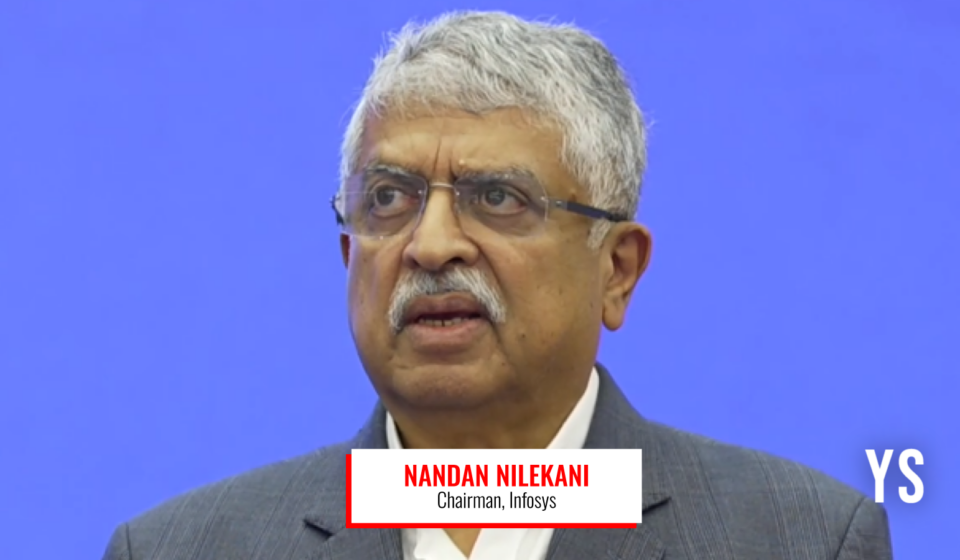
We instinctively reach for stricter invigilation, CCTV, and punitive measures after every paper leak. Those are necessary but insufficient. True resilience comes from redesigning the exam lifecycle so that leaks become economically and technically infeasible – while preserving access, privacy and trust. The recent formation of a six-member task force led by Nandan Nilekani to recommend reforms for leakproofing examinations provides a timely mandate to reframe the problem from policing to architecture.
What the announcement signals (briefly)
A high‑level panel bringing together digital identity and payments experience, space‑scale systems engineering, intelligence and security operations, education policy, microprocessor and AI expertise, and logistics management has been constituted to recommend reforms. The composition suggests a bias toward systemic, technology‑enabled solutions – but the right mix of technical solutions and governance will determine success.
From paper leaks to lifecycle security: the architectural implications
Treating exam integrity as a systems problem forces us to map the entire lifecycle: question design → secure paper generation → distribution → candidate verification → in‑exam monitoring → answer collection → result processing and audit. Each stage has distinct threat models and trade-offs:
-
Identity and verification: Lessons from national identity systems (verifiable credentials, decentralized identifiers) can reduce impersonation risk. But identity binding must respect privacy and avoid exclusion – particularly for students who lack standard documents.
-
Cryptographic provenance: End‑to‑end cryptographic techniques (threshold encryption, secure multiparty computation, verifiable randomness) can ensure that question papers remain unreadable until a controlled reveal. These mechanisms shift the threat from “who can view” to “who can subvert the reveal,” which is auditable and testable.
-
Secure hardware and trusted execution: For last‑mile distribution in exam centres or kiosks, a combination of tamper‑resistant modules and signed software images can reduce in‑field compromise. Relying solely on consumer devices invites large attack surfaces.
-
Zero trust and immutable audit trails: Adopt a zero‑trust posture where every actor, device and message is authenticated and logged to tamper‑evident ledgers. Auditability – not just secrecy – builds public confidence in results.
-
Human processes and red teaming: Technical controls must be accompanied by rigorous human‑operational processes: rotation of personnel, separation of duties, background checks, and periodic red‑team exercises to surface social engineering and insider threats.
Trade-offs CTOs and policymakers must face
-
Speed vs. robustness: Increased cryptographic safeguards often introduce latency and operational complexity. Design for acceptable latency brackets and graceful fallbacks (secure offline modes) for connectivity‑constrained centres.
-
Centralization vs. federated models: A fully centralized system can be efficient, but concentrates systemic risk. Federated architectures – with open standards and audited interoperability – balance resilience and scalability.
-
Privacy vs. surveillance: Proctoring tech (face recognition, biometrics) can deter malpractice but raises privacy and algorithmic bias concerns. Any biometric use must be proportionate, auditable and governed by clear redress mechanisms.
The India context – practical constraints and opportunities
From deployments I’ve seen across Northeast India, two realities matter: heterogeneous connectivity and a strong appetite for frictionless services. That means solutions must work offline, be lightweight on bandwidth, and have local operational playbooks. There is an opportunity to build exam platforms that leverage India’s digital public infrastructure principles (interoperability, minimal data disclosure, consented verification) without becoming dependent on a single vendor or a single identity scheme.
Actionable takeaways for leaders
- Design the exam lifecycle first; bolt‑on controls later fail. Map assets, actors and threat vectors end‑to‑end.
- Prioritise verifiable and auditable mechanisms (cryptographic reveal, immutable logs) over opaque secrecy.
- Use federated, standards‑based architectures to avoid single‑vendor lock‑in and enable reuse across states and exam bodies.
- Invest in human ops: background checks, rotation, and regular red‑teaming are as important as encryption keys.
- Ensure privacy by design and clear grievance mechanisms when biometric/proctoring tech is proposed.
- Pilot in mixed‑connectivity environments and iterate – scalability must be demonstrated in the weakest link.
Closing thought
Making exams leakproof is not primarily a technology project – it is an architectural and governance challenge. Technology can make leaks technically infeasible and auditable, but success will hinge on designing systems that respect access, privacy and the realities of India’s varied infrastructure. The task force is a chance to move from reactive policing to future‑ready architecture; the hard work will be turning those architectural principles into deployable, equitable systems.
About the Author: Sanjeev Sarma is the Founder Director and Chief Software Architect at Webx Technologies. With a core focus on Generative AI integration, Cloud-Native Scalability, and Enterprise Software Architecture, he has spent over two decades driving digital transformation across Northeast India and beyond. Beyond his corporate leadership, Sanjeev is deeply invested in shaping the future of the IT industry. He serves as an Industry Expert on the Board of Studies for Assam Don Bosco University’s School of Technology, advises state technology committees, and actively mentors emerging tech startups at STPI. He brings a unique, dual perspective of high-level enterprise execution and future-ready academic curriculum development.