Beyond the Grant Cycle: Architecting Sustainable State‑Local Cybersecurity

We applaud federal grant programs for creating sudden, measurable improvements in local cyber posture. But the real litmus test is not how quickly we can buy tools after a funding announcement – it’s whether those capabilities survive once the grant check clears. That “cliff” is the conversation states are having now, and it should be the central topic for any leader who cares about resilient, long‑term architecture.
What triggered this thought
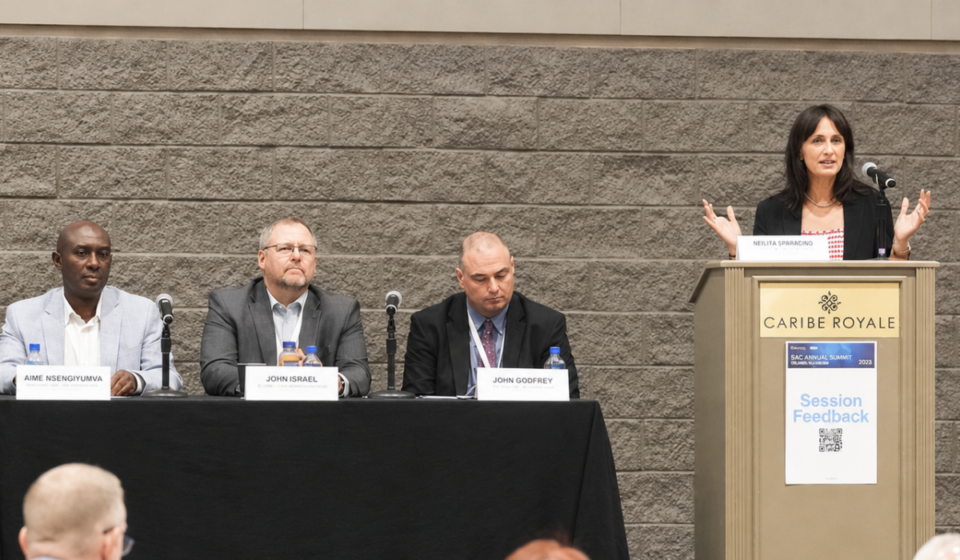
I recently read a Government Technology piece about the State and Local Cybersecurity Grant Program (SLCGP) and reactions from state CISOs at the ISAC Annual Summit: the grants accelerated deployments – managed detection and response, centralized monitoring, maturity assessments – but left states and municipalities asking how to carry the recurring costs and operational overhead after federal funding winds down.
Why this matters for enterprise architects and public IT leaders
Grant-driven modernization often focuses on capital acquisition: buying tools, standing up a security operations center, or contracting managed services. Those are important. But buying capability is only step one. True resilience requires designing for ongoing operational cost, staff training, procurement rhythm, and service delivery models that scale beyond one‑time injections of cash.
Architectural implications and trade-offs
- Operational vs. Capital: Grants typically cover capital and projectized work. Security, however, is primarily operational – 24×7 monitoring, threat hunting, patching, telemetry storage. Architects must translate capital purchases into sustainable operational models: clear OPEX commitments, automation to reduce human hours, and SLAs that reflect total cost of ownership.
- Centralized shared services vs. local autonomy: Shared SOCs and statewide MDR platforms capture economies of scale and reduce duplication. But they introduce integration complexity and political friction. The design choice should be pragmatic: an interoperable, API‑first shared service that allows local customization and federated data controls reduces vendor lock‑in and respects municipal autonomy.
- Speed vs. Technical Debt: Rapid deployments under grant timelines can produce brittle integrations and manual workarounds. Prioritize modular, cloud‑native (or cloud‑friendly) building blocks, strong observability, and infrastructure-as-code so systems can be maintained by smaller teams with predictable costs.
- Policy and procurement design: The administrative burden of multi-agency oversight and complex NOFOs causes delays and rework. From an architecture standpoint, standardizing procurement templates, approved reference architectures, and security playbooks shortens the path from funding to production and reduces recurring support costs.
- Human capital and maturity: Tools without people are theater. Grants should fund sustainable capacity building – not just vendor‑run services. Invest in train-the-trainer programs, regional shared staffing models, and maturity assessments that map to roadmaps with funding timelines.
A practical playbook for sustainability
- Build shared services as platforms: Offer MDR, identity, and logging as consumable platform services with metered pricing and SLAs. A platform mindset reduces per‑entity costs and simplifies lifecycle upgrades.
- Automate aggressively: Use automation for onboarding, alert triage, patch management, and compliance reporting. Automation converts expensive, skilled human effort into predictable engineering costs.
- Design with exit strategies: Contracts and architectures must include data portability, standardized telemetry formats, and multi-vendor interoperability so communities aren’t forced into costly rip-and-replace when subsidies end.
- Institutionalize co‑funding ramps: Gradually increase local cost share while tying proportions to measurable maturity milestones and affordability studies. This eases the cliff effect and forces early efficiency gains.
Why this matters in India (and for smaller governments)
I’ve seen similar tensions between central funding and state sustainability in India’s technology programs. The same architectural prescriptions apply: platformization, shared SOCs for clusters of districts, capacity building through academic partnerships, and frugal automation can extend impact across resource-constrained contexts. For northeast states and other regions with dispersed populations, shared regional services and predictable OPEX models are the pragmatic path to long-term resilience.
Takeaways
- Treat cybersecurity funding as lifecycle financing, not one‑off procurement.
- Architect for operational sustainability: platforms, automation, interoperability.
- Use shared services to reduce unit costs, but design for local control and portability.
- Invest in people and measurable maturity roadmaps alongside tools.
- Policy and procurement must match technical strategy to avoid downstream complexity.
Closing thought
The next frontier for public‑sector cybersecurity is not how fast we can deploy a tool, but how gracefully communities can sustain and evolve that capability without perpetual subsidy – and architects must design for that future now.
About the Author: Sanjeev Sarma is the Founder Director and Chief Software Architect at Webx Technologies. With a core focus on Generative AI integration, Cloud-Native Scalability, and Enterprise Software Architecture, he has spent over two decades driving digital transformation across Northeast India and beyond. Beyond his corporate leadership, Sanjeev is deeply invested in shaping the future of the IT industry. He serves as an Industry Expert on the Board of Studies for Assam Don Bosco University’s School of Technology, advises state technology committees, and actively mentors emerging tech startups at STPI. He brings a unique, dual perspective of high-level enterprise execution and future-ready academic curriculum development.