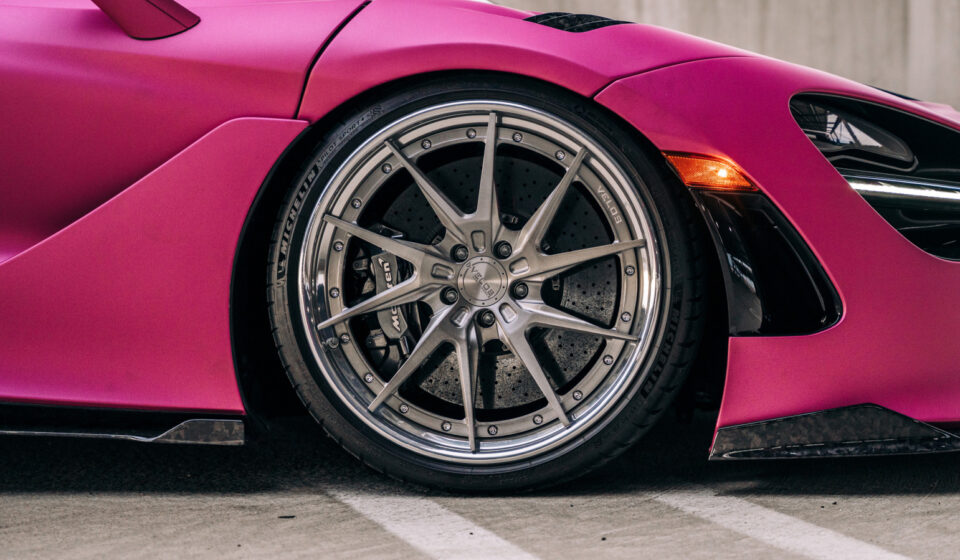

We worry a lot about big levers – engine tuning, route optimization, or sophisticated telematics – when trying to cut fuel costs. But sometimes the single most visible upgrade on a vehicle – the rim – is a classic example of an aesthetic choice that quietly erodes efficiency and raises operating cost. Small hardware choices add up; a design decision made for looks can create ongoing, measurable drag on a system.
The signal: a recent piece highlighted how larger, heavier aftermarket rims increase rolling resistance and therefore fuel consumption, and reminded owners to maintain correct tire pressure, watch for slow leaks caused by rim degradation, and rotate tires regularly. That simple observation contains a broader lesson about systems trade-offs and Total Cost of Ownership.
Analysis – what this means for leaders and architects
1) Systems-thinking beats feature-thinking.
Rims are not merely styling; they are a component in a mechanical-electrical-human system. As architects we would call this an interface – one change at the rim-tire-road interface changes energy demand upstream in the powertrain, and downstream in operational budgets. When assessing upgrades, evaluate the system-level impact (fuel, wear, safety, emissions), not just the primary benefit (appearance).
2) Marginal gains compound into strategic advantage.
A small increase in rolling resistance may seem trivial per trip, but across thousands of kilometers and multiple vehicles, it becomes a major cost line item. For fleets, even a 1–2% penalty on fuel economy translates directly into recurring expense and carbon output. Efficiency is often won by many small interventions rather than one large initiative.
3) Instrumentation and data are the differentiators.
If you cannot measure the impact of a change, you are guessing. Fit vehicles with basic telematics and tyre-pressure monitoring, and correlate rim/tire spec with fuel consumption and maintenance events. This enables a build-versus-buy decision for analytics: do you adapt an off-the-shelf telematics stack and add a tyre-efficiency module, or build a lightweight internal dashboard that feeds procurement and maintenance workflows? My recommendation for most SMEs and fleet operators is to start with proven telematics and add focused analytics for rolling resistance and TCO.
4) Design trade-offs: aesthetics vs. operational debt.
For vehicle manufacturers, OEM spec choices should make explicit the TCO trade-offs of optional styling packages. For businesses procuring vehicles, include an “efficiency impact” assessment in RFPs. The short-term marketing value of a visual upgrade must be weighed against longer-term operational debt – higher fuel spend, increased tyre wear, and maintenance risk from rim corrosion.
Practical actions – who should do what
– Fleet managers: Standardize on manufacturer-recommended rim/tire combinations for duty profiles; mandate TPMS and scheduled tyre-rotation checks; include rim condition checks in maintenance SOPs.
– CTOs/Founders running logistics platforms: Instrument key vehicle metrics (speed, fuel use, tyre pressure) and build a small model to estimate incremental fuel cost from non-standard rims; use that model to inform procurement and driver incentives.
– Product teams and retailers: Offer buyers an efficiency calculator that shows fuel and CO₂ impact of rim upgrades over a 3–5 year horizon – customers make better choices when cost is visible.
– Policymakers and procurement leads (public fleets): Consider including minimum tyre/rim efficiency and monitoring requirements in tender documents – small regulatory nudges can scale massive savings.
Local note for Bharat (relevant to Northeast India and other regions): In geographies where fuel price sensitivity is high and roads vary in quality, the operational penalties from oversized rims are amplified. Poor road conditions accelerate rim damage and slow leaks, increasing both cost and risk. For state transport departments and last-mile operators here, the simplest levers – correct wheel specifications, routine pressure checks, and rapid repair of bead/rim damage – are high-return investments.
Takeaways
– Think systemically: cosmetics add operational cost.
– Measure before you scale: telematics + TPMS = insight.
– Bake TCO into procurement and product messaging.
– Small engineering decisions compound over time – make them intentionally.
Closing thought
Efficiency is often won by humility: noticing the small knobs on a vehicle (or a system) and choosing the ones that produce steady, compound benefits rather than transient, conspicuous wins.
About the Author Sanjeev Sarma is the Founder Director of Webx Technologies Private Limited, a leading Technology Consulting firm with over two decades of experience. A seasoned technology strategist and Chief Software Architect, he specializes in Enterprise Software Architecture, Cloud-Native Applications, AI-Driven Platforms, and Mobile-First Solutions. Recognized as a “Technology Hero” by Microsoft for his pioneering work in e-Governance, Sanjeev actively advises state and central technology committees, including the Advisory Board for Software Technology Parks of India (STPI) across multiple Northeast Indian states. He is also the Managing Editor for Mahabahu.com, an international journal. Passionate about fostering innovation, he actively mentors aspiring entrepreneurs and leads transformative digital solutions for enterprises and government sectors from his base in Northeast India.