
Health authorities in Kerala are sounding the alarm following reports of five suspected cases of West Nile fever in Ernakulam. The reported cases stem from various locations, including Elanji, Eroor in Thripunithura, Pallikkara in Kizhakkambalam, Ponekkara in Edappally, and Palluruthy. Although confirmations are pending, the situation has raised concerns as mosquito-borne illnesses typically surge during the summer months.
The District Medical Officer, Dr. R. Shahirsha, clarified that these reports are merely suspected cases, pending test results for confirmation. “We haven’t received any confirmation of West Nile fever cases. These are suspected cases and can be confirmed only after tests are carried out,” he stated. Samples have already been sent for testing, with results expected within the next two weeks. Although no clusters of infections have been identified yet, officials are urging the public to remain vigilant.
The growing apprehension around potential vector-borne diseases highlights the need for better awareness about West Nile fever, its transmission, and preventative measures.
West Nile fever is a viral infection primarily spread by mosquitoes, particularly those of the Culex species. According to Dr. Palleti Siva Karthik Reddy, a consultant physician at Elite Care Clinic, the disease typically circulates between birds and mosquitoes, with humans serving as incidental hosts. Infection occurs through the bite of an infected mosquito, and it’s important to note that the disease is not transmitted through casual human contact. While most infections are mild or asymptomatic, a small percentage can lead to neurological complications, particularly in older adults or those with weakened immune systems.
Confirming West Nile fever relies on laboratory testing that usually detects virus-specific IgM antibodies in blood or cerebrospinal fluid, Dr. Reddy explained. In early infection phases, PCR testing may also be employed. He emphasized that the process can be time-consuming, as symptoms may overlap with those of other viral fevers, and specialized lab capacity is often required for confirmatory tests. Moreover, antibody levels might not be immediately detectable, which could necessitate repeat testing for a conclusive diagnosis.
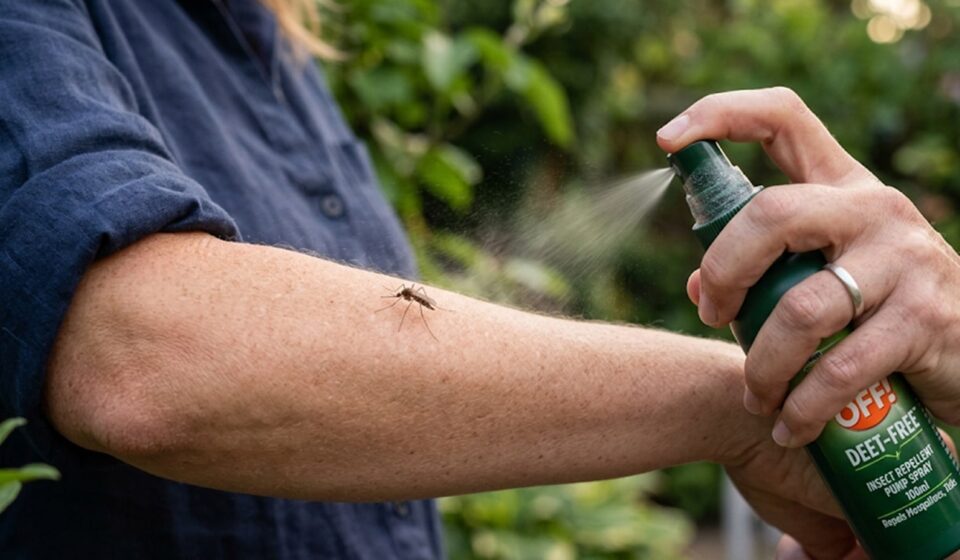
Preventive measures are crucial during such alerts. Dr. Reddy recommended individuals take proactive steps such as using mosquito repellents, wearing long-sleeved clothing, and ensuring proper screening on windows and doors to minimize exposure. It is equally important to eliminate stagnant water sources around homes, as these areas provide ideal breeding sites for mosquitoes. Community-level initiatives like coordinated fogging, public awareness campaigns, and monitoring mosquito populations are also vital in controlling the spread of the disease.
With the uncertainty surrounding these suspected cases and a heightened focus on vector-borne diseases, staying informed and adopting effective preventive measures is essential for the community. The ongoing situation serves as a reminder of the importance of vigilance against mosquito-borne illnesses, particularly during peak seasons.
As health officials continue to monitor the situation, residents are encouraged to remain alert and consult health practitioners for personalized advice regarding prevention and care.
This article is based on information from the public domain and various expert insights. Readers are advised to consult medical professionals before altering health routines.
Tags: West Nile fever, Kerala health alert, mosquito-borne disease, vector control, public health.
Original Source: https://indianexpress.com/article/lifestyle/health/west-nile-fever-ernakulam-kerala-suspected-cases-precautionary-measures-10659542/
Category :
Tags:
Publish Date: 2026-04-28 23:00:00