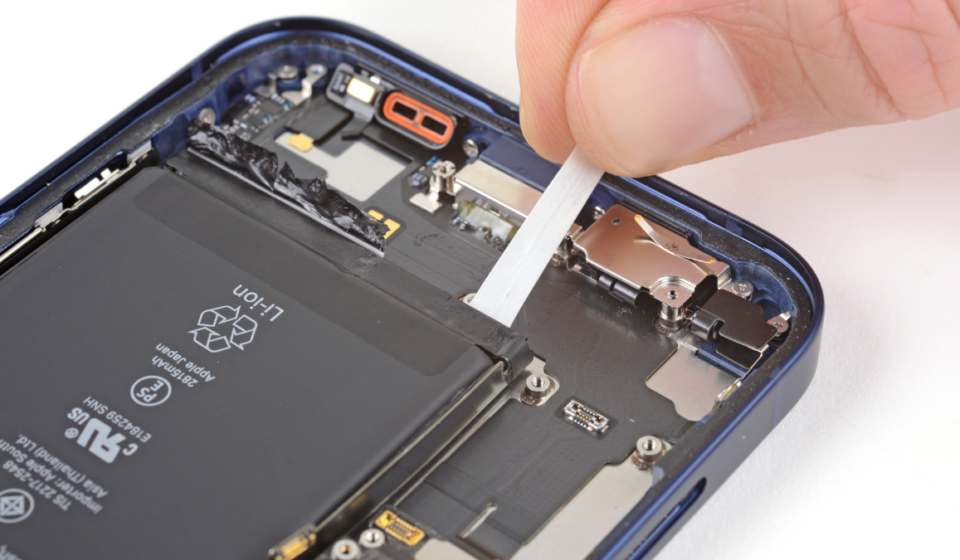

Most modern smartphones and tablets feature sealed designs, making battery removal and replacement a daunting task for users. However, this trend may shift significantly starting in 2027, thanks to new regulations from the European Union.
Beginning February 18, 2027, the EU’s battery regulation mandates that devices such as mobile phones, tablets, and cordless phones be designed for easy battery access. This change aims to alleviate the ongoing issues surrounding device repairability, which has been a growing concern among consumers and environmental advocates alike. Currently, many devices come with batteries glued in place, making replacements not only difficult but often leading to damage during the process.
The regulation explicitly requires that batteries be removable and replaceable without harming the device or the battery itself. Users must be able to remove batteries using commercially available tools or, ideally, no tools at all. The EU has specified that manufacturers cannot rely on proprietary tools unless provided for free with the product. This approach empowers users to perform battery swaps independently, reducing reliance on authorized service centers.
Interestingly, the regulation defines an “end user” as an average adult without specialized technical training, aiming to ensure that even those with minimal technical skills can manage battery replacements. Unlike older smartphones with easily removable batteries, the implementation may not revert to those simpler systems. Certain devices, like those used in light means of transport (LMT), may require replacements by qualified professionals, but manufacturers must ensure access to necessary tools at fair prices.
The scope of the regulation isn’t limited to promoting easier repairs. It encompasses protocols for safe handling and disposal of batteries, ensuring that removed batteries are directed to proper collection and treatment systems. This holistic approach aims to reduce waste and improve battery management throughout their lifecycle, marking a significant shift in device sustainability practices.
The EU battery regulation officially came into effect in August 2023, with the crucial requirements for battery removability and replaceability set to be implemented by February 2027. Although the regulation pertains primarily to the European Union, its repercussions may extend far beyond the region. Tech manufacturers often avoid creating distinct designs for different markets to minimize costs and streamline their supply chains. Consequently, devices designed to meet EU standards are likely to be introduced globally.
A notable precedent for this phenomenon is seen in the adoption of USB-C charging ports. After the EU mandated uniformity in charging standards, companies began integrating the technology globally, leading to similar regulations emerging in markets like India. Should this trend continue, consumers in regions like India could also benefit from devices that are simpler to repair and maintain.
The impending EU battery regulation presents not just a regulatory shift but a potential transformation in device design and upkeep. For consumers, this could translate to making electronics easier to repair, enhancing durability, and promoting longer product lifespans. This evolution in device manufacturing practices highlights a growing recognition of the importance of repairability and sustainability in technology.
Tags: EU Battery Regulation, Device Repairability, Sustainability, Consumer Electronics, Technology News
Original Source: https://www.business-standard.com/technology/tech-news/eu-battery-rule-removable-batteries-smartphones-tablets-impacted-devices-126042100432_1.html
Category :
Tags:
Publish Date: 2026-04-21 12:57:00