Outrage Over Air India’s ‘Ban’ on Mangalsutra, Sindoor, and Chooda: Igniting Emotional Backlash Against ‘Idiotic Corporate’ Decisions!

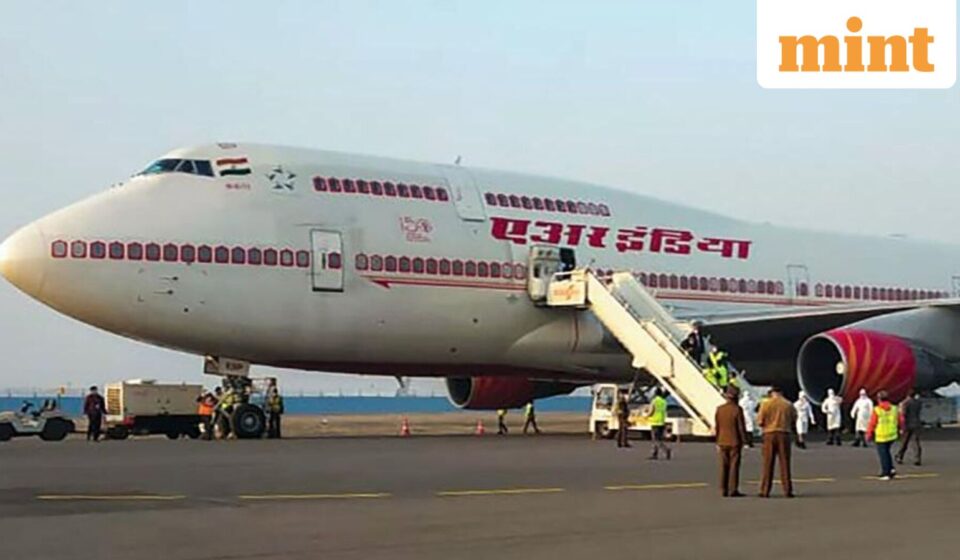
Days after Lenskart stirred controversy over its employee policies, Air India has found itself at the center of a heated debate regarding its grooming standards for cabin crew. Recently leaked internal guidelines have attracted significant attention on social media, particularly for their bans on traditional symbols such as sindoor, chooda, and mangalsutra.
Air India’s grooming policy, as detailed in the viral handbook, prohibits various forms of religious and cultural adornments among its flight attendants. According to the guidelines, “Tikkas and sindoor of any color on the forehead are not permitted.” Furthermore, the airline restricts accessories, allowing only plain white or yellow gold bangles without embellishments, while banning bracelets, mixed-metal bangles, or any item with stones. Staff members are also instructed not to wear wedding choora, religious threads, or beads on the wrists, ankles, or forearms. Neck adornments, including chains and mangalsutra, as well as nose pins, toe rings, and mehndi, are similarly off-limits.
Netizens have reacted strongly to these revelations, expressing their discontent across social platforms. One user drew a comparison to other countries, noting, “All Muslim countries have allowed hijab for air hostesses, and the majority wear that.” Another commented on the lack of cultural representation in airline policies, asking, “Can we look at all airlines’ guidelines? I don’t recall seeing any flight crew with bindi and sindoor.” Some users labeled the corporate culture behind such guidelines as “idiotic,” calling for a boycott of companies imposing similar restrictions. Others argued that such policies amount to a disregard for religious practices, stating, “This is called pseudosecularism… If you support this, then you are intellectual, liberal, and modern.”
In response to the growing backlash, an Air India spokesperson addressed the issue, clarifying that the guidelines circulating online are outdated. “Air India would like to clarify that its employees have the choice to wear bindi. The images being circulated online are from an older manual that is no longer in use,” the spokesperson said.
This controversy echoes a similar situation involving Lenskart, which faced criticism for its dress code policies. Initially, the company allowed hijabs but prohibited bindis and kalawa, leading to public outcry. In response, Lenskart revised its style guide to embrace a broader representation of cultural symbols, including bindi, tilak, sindoor, and hijab. In a statement, the eyewear retailer emphasized its commitment to inclusivity, asserting that it values the diverse beliefs and identities of its employees.
As both Air India and Lenskart navigate these cultural discussions, the spotlight remains on how corporate policies can adapt to respect the varied traditions of a diverse workforce. The ongoing dialogue signifies a growing demand for companies to embrace cultural sensitivity, encouraging an inclusive environment that honors individual beliefs. This trend reflects broader societal shifts toward valuing cultural expression in the workplace, leaving many eager to see how companies will respond to the changing landscape of employee representation.
This developing story highlights the need for corporations to reconsider their guidelines to align with contemporary values of inclusion and respect, raising important questions about the balance between brand image and cultural authenticity in today’s society.
Original Source: https://www.livemint.com/news/trends/after-lenskart-air-india-slammed-for-ban-on-mangalsutra-sindoor-chooda-as-idiotic-corporate-airline-responds-11776670290540.html
Category :
Tags:
Publish Date: 2026-04-20 14:26:00