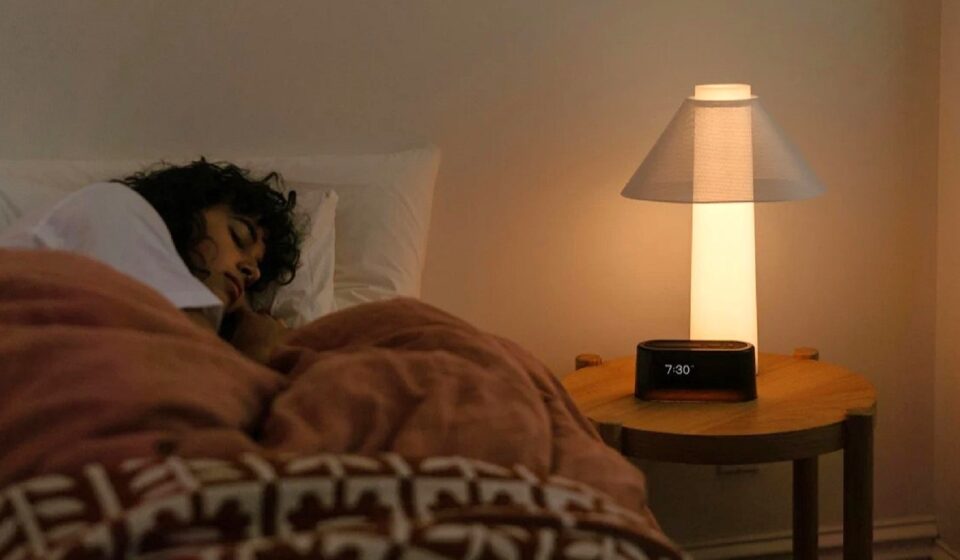

We obsess over features – brighter displays, smarter alarms, richer integrations – and too often forget the single outcome that matters: did the user wake up rested and on time? The recent coverage of wellness-focused alarm clocks such as the Loftie is a useful reminder that product design that touches human rhythms must be judged differently: not only by specs, but by reliability, failure modes and the subtle psychology of habit change.
Context
I recently came across a product review that noted Consumer Reports’ recommendation of a wellness‑oriented alarm clock (the Loftie) that combines a two‑stage gentle wake sequence with a library of sleep sounds. The device scores praise for human-centric design but also attracts mixed user feedback on setup complexity, perceived value and – critically – occasional failures to wake users.
Analysis – what this means for product and platform architects
There are three strategic lessons here that matter beyond consumer gadgets and apply equally to enterprise systems, IoT products and digital services that claim to “improve human outcomes.”
1) Design for human outcomes, not feature lists.
Features are easy to spec; changing behaviour isn’t. A clock that “sounds nicer” must also anticipate human responses: hitting snooze, ignoring gentle chimes when stressed, or becoming dependent on an app that’s misconfigured. Successful products treat behavior change as a product requirement: measurable KPIs (reduced snooze rate, consistent wake success), progressive onboarding, and graceful escalation paths when the preferred UX fails.
2) Reliability is the non‑negotiable UX.
An alarm’s single job is to wake you. For any system where the cost of failure is high – missed flights, lost shifts, patient safety – “soft” features must never compromise core reliability. Practically, that means design tradeoffs: local fail‑safe hardware (a basic mechanical or battery mode), clear state visibility in the app, robust error telemetry, and test scenarios that simulate real user environments (low battery, intermittent connectivity, app permissions revoked). For architects, the lesson is to treat reliability engineering as part of product design, not an afterthought.
3) Privacy and data ethics scale with intimacy.
Devices that learn sleep patterns or collect audio logs sit in a sensitive privacy domain. Enterprises and consumer brands must be explicit about what they collect, why, and how it’s used. Simple rules help: default to minimal data retention, provide on‑device controls, and design for transparent consent. For teams building integrations (fitness APIs, smart home ecosystems), adopt a least‑privilege model and document data flows for auditors and end users.
Build vs. Buy – the strategic calculus
For CTOs and founders the choice isn’t binary. Buying a polished consumer device can accelerate time‑to‑value for employee wellness programs or hospitality offerings, but it creates dependency on third‑party support, regional pricing and firmware roadmaps. Building in‑house gives control over localization, serviceability and integration, but brings long‑term maintenance costs. My advice: if the function is core to your service promise, invest in a modular platform with an open integration layer; otherwise, adopt a buy‑and‑wrap approach but enforce SLAs, auditability and a hardware fallback plan.
A quick note for India / Northeast contexts
In markets like India, and particularly in regions with intermittent power or lower disposable incomes, a “wellness” device must be frugal: offline‑first modes, long battery life, simplified setup without mandatory smartphone pairing, and culturally localised soundscapes. These are not just niceties; they determine adoption at scale.
Practical takeaways
– Prioritise hard guarantees (did the device perform its job?) over soft experiences.
– Design escalation/fallbacks: local alarm, manual override, and visible health telemetry.
– Treat behavioural change as measurable product outcomes, not marketing copy.
– Enforce privacy-by-default and minimal data telemetry for intimate devices.
– For enterprises: weigh SLAs and long-term support when buying consumer hardware.
Closing thought
Technology that intervenes in daily human rhythms carries a disproportionate responsibility. Elegant experiences win hearts; dependable engineering wins lives. As architects and founders, our job is to deliver both.
About the Author
Sanjeev Sarma is the Founder Director of Webx Technologies Private Limited, a leading Technology Consulting firm with over two decades of experience. A seasoned technology strategist and Chief Software Architect, he specializes in Enterprise Software Architecture, Cloud-Native Applications, AI-Driven Platforms, and Mobile-First Solutions. Recognized as a “Technology Hero” by Microsoft for his pioneering work in e-Governance, Sanjeev actively advises state and central technology committees, including the Advisory Board for Software Technology Parks of India (STPI) across multiple Northeast Indian states. He is also the Managing Editor for Mahabahu.com, an international journal. Passionate about fostering innovation, he actively mentors aspiring entrepreneurs and leads transformative digital solutions for enterprises and government sectors from his base in Northeast India.