High-Stakes Ceasefire Talks: Iran and US in Pakistan – 15 Hours and Counting! Discover Each Side’s Powerful Statements

Negotiations between Iran and the United States have left many wondering about their actual status, as conflicting reports emerged after a marathon round of talks in Islamabad. This marked the first direct contact between the two nations in over a decade, raising hopes for a potential breakthrough amid mounting tensions.
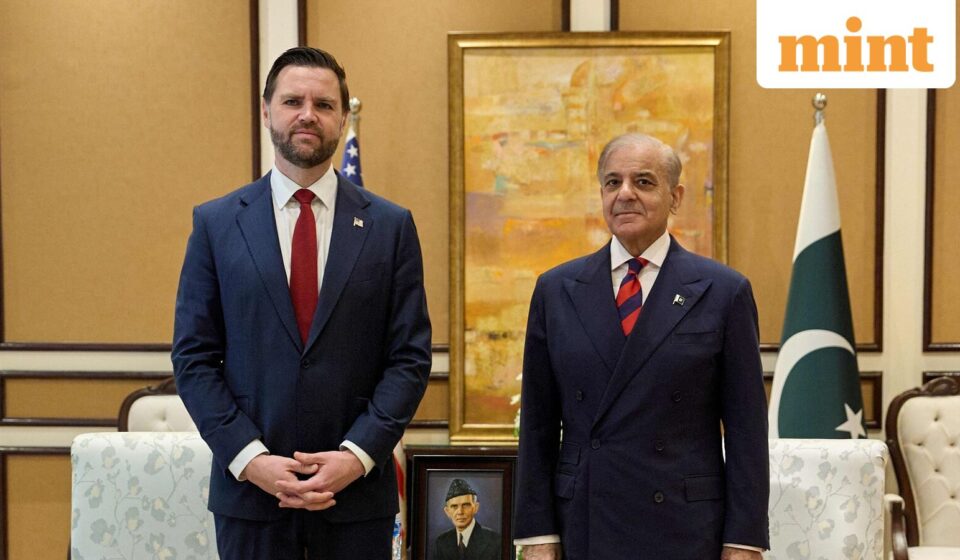
In a statement shared on X, the Iranian government declared that discussions had reached a “pause point” following a grueling 14-hour session. The authorities noted that both sides were engaging their technical teams to exchange expert texts, indicating that further negotiations would take place, despite lingering differences. However, this optimism was quickly overshadowed by a report from U.S. Vice President JD Vance’s office suggesting that talks were very much still ongoing. A pool report cited by various news outlets indicated discussions had extended beyond 15 hours, with U.S. official statements underscoring the unresolved nature of the engagement.
Given the delicate nature of these talks, the stakes are exceedingly high. The Islamabad discussions represent a rare diplomatic opening between Iran and the U.S., the first high-level meetings since the 1979 Islamic Revolution. The implications are significant, not just for regional stability but for global energy markets as well. The ongoing blockade of the Strait of Hormuz has already pushed oil prices up sharply, as this critical maritime corridor handles roughly 20% of the world’s energy supply.
However, significant hurdles remain, particularly concerning demands related to the Strait of Hormuz and nuclear issues. Reports from the Financial Times reveal that the negotiations face a stalemate, primarily centered around control of this vital waterway. Iranian sources have expressed that U.S. demands complicate efforts to create a unified negotiating framework. A security official, speaking on the condition of anonymity, noted that the status of the strait would not change until both parties achieve a common basis for further dialogue, attributing obstacles to what he termed “excessive demands” from Washington.
Discussing these demands, pro-government commentator Ali Gholhaki highlighted that the U.S. seeks the removal of 400 kg of uranium from Iran-referring to a stockpile it purportedly failed to seize in prior military actions. Additionally, he claimed the U.S. is pushing for 0% enrichment and full oversight of the Strait of Hormuz. Gholhaki added that an Iranian firm rejection of a recent U.S. test showed that Washington may not have approached the table with sincere intentions.
Despite these challenges, Iranian media reported that while the first round of talks concluded on Saturday, another could follow soon, facilitated by Pakistan. This trilateral format has allowed both nations to exchange draft proposals through technical teams. However, with “serious disagreements” still prevailing, the outlook for imminent progress remains uncertain.
The status of the Strait of Hormuz serves as a significant flashpoint in these negotiations, amplifying the stakes as global markets react to the uncertain political landscape. Iranian officials indicate that until a unified framework is established, the blockade will persist, further complicating a diplomatic process already fraught with tension and precariousness.
Original Source: https://www.livemint.com/news/world/have-iran-and-us-concluded-ceasefire-talks-in-pakistan-15-hours-and-counting-what-each-side-said-11775951159392.html
Category :
Tags:
Publish Date: 2026-04-12 05:41:00