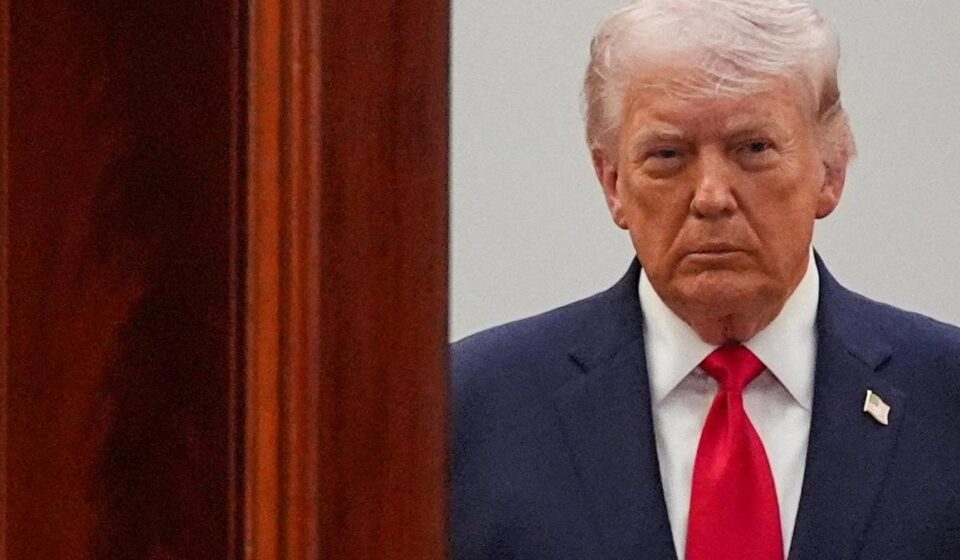
Breaking News: Tensions Rise as Trump Withholds Iran Ceasefire Sign-off in Escalating Israel Conflict!

Taiwan is shifting its maritime oil shipping routes, now favoring the Red Sea for crude oil imports from Saudi Arabia. This decision comes against the backdrop of escalating tensions in the Strait of Hormuz, a vital passageway for global oil transport that has been effectively shut down by Iran in response to recent U.S.-Israeli military actions.
As oil prices soar amid the ongoing conflict in West Asia, Taiwan is taking proactive measures to secure its energy needs. Official statistics reveal that nearly 70% of Taiwan’s oil imports come from the West Asia region, with Saudi Arabia being a significant contributor, supplying approximately 29% of its crude oil. Other key suppliers include the United Arab Emirates, Qatar, Kuwait, Oman, and Iraq. In stark contrast, the United States accounts for just over 28% of Taiwan’s oil imports.
“We have worked to adjust shipping routes so that shipments leave via the Red Sea, or we use spot purchases to make up the difference,” explained Tsou Yu-hsin, the deputy director general of the Industrial Development Administration at Taiwan’s Ministry of Economic Affairs. This strategic pivot aims to mitigate potential disruptions and continue to meet the island nation’s energy demands during unstable geopolitical conditions.
By exploring alternative routes and forming new partnerships, Taiwan not only seeks to stabilize its oil supply but also to navigate the complexities arising from the regional turmoil. The government’s focus on diversifying its energy sources underscores the critical importance of maintaining energy security in an increasingly volatile environment.
As the situation continues to develop, Taiwan’s adaptability and strategic planning will be essential in ensuring uninterrupted access to essential energy resources. The decision to redirect oil shipments is just one example of how nations must respond to shifting global conditions, especially in the crucial arena of energy supply and security.
As tensions remain high and the geopolitical landscape evolves, all eyes will be on Taiwan’s next steps in securing its energy future. The impact of these changes will be felt not only within Taiwan but also across global oil markets as they react to the shifting dynamics in the West Asia region.
Taiwan’s approach could serve as a model for other nations grappling with energy dependence in times of crisis. As the world watches, it’s clear that energy strategies will play a pivotal role in shaping the future of geopolitical relations and economic stability.
Original Source: https://www.thehindu.com/news/international/us-israel-iran-war-trump-strait-of-hormuz-live-updates-april-6-2026/article70828678.ece
Category :
Tags:
Publish Date: 2026-04-06 19:58:00