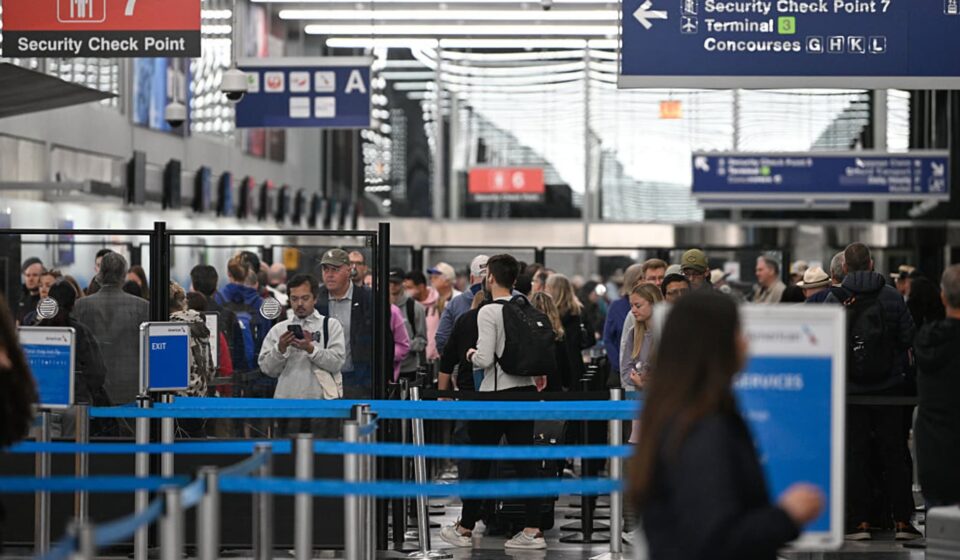

People at Chicago O’Hare and other major airports are feeling the effects of a partial government shutdown, exacerbated by various global crises. As of March 9, 2026, extended TSA lines have been a long-standing issue. Flights have been seriously disrupted due to the ongoing war in Iran, cartel violence in Mexico, U.S. military operations in Venezuela, and severe blizzards on the East Coast, leaving travelers grappling with a burgeoning array of complications.
Travel experts agree that while unpredictability is a constant in the travel industry, current conditions underline the importance of preparation. Sofia Markovich, founder of Sofia’s Travel, noted, “If you think of a worst-case scenario, this is the worst-case scenario,” referencing the recent geopolitical tensions. Despite these challenges, experts emphasize that travelers can adopt strategies to mitigate stress and financial strain.
Travel volatility seems poised to persist. The future of the conflict in Iran remains uncertain, and President Donald Trump has hinted at potential military action in Cuba, adding to concerns. Moreover, the ongoing closure of the Department of Homeland Security is likely to compound delays at airport security checkpoints. “You have to be ready, because you don’t know where [the disruption] is going to come from,” advised Amalia Lazarov, a travel advisor specializing in Middle Eastern trips. “We will probably see more of it, but we can be prepared to handle every situation.”
To navigate the ongoing turmoil, experts suggest several strategies for travelers, although many come with increased costs. Choosing nonstop flights rather than itineraries with layovers can enhance convenience and minimize risks associated with delays. A Google Flights analysis shows layover flights are about 22% cheaper, but Markovich warns, “Avoid connections like the plague.” She often opts to drive several hours to an airport offering more direct flights to avoid the hassles of layovers.
In light of the current uncertainty, opting for refundable airline tickets is strongly advised. Margie Hand of Andavo Travel recommends avoiding basic economy fares, as they often limit flexibility for cancellations. While refundable tickets can be pricier, they offer peace of mind should changes be necessary. Additionally, travelers should be aware that U.S. law mandates full refunds for cancellations made within 24 hours of booking if the flight is purchased at least a week in advance.
Travel insurance also remains a crucial consideration, although policies may not cover acts of war. Hand suggests “cancel for any reason” policies, which can add cost but offer greater flexibility. These policies have restrictions, such as requiring purchase shortly after a deposit and cancellations occurring just before the trip’s start.
Amid the chaos, those with firm travel plans should remain proactive. Markovich recommends that passengers verify their flight arrangements after cancellations, as airlines may rebook them on less-than-ideal connections. For essential timelines, such as weddings or cruises, consider building buffer days into travel itineraries to accommodate unforeseen delays.
In summary, while the travel landscape in early 2026 is fraught with challenges, understanding available options and taking preemptive measures can help mitigate stress and enhance travel experiences. Adopting these strategies could make a significant difference for those venturing out amidst today’s turbulent conditions.
Original Source: https://www.cnbc.com/2026/03/16/iran-war-travel-disruptions-how-to-avoid.html
Category :
Tags:
Publish Date: 2026-03-17 00:03:00