Unveiled: The Rock Band Dubbed ‘The New Led Zeppelin’ – A Tale of Glory and Downfall You Can’t Miss!

The Unsung Titans of Metal: The Diamond Head Saga
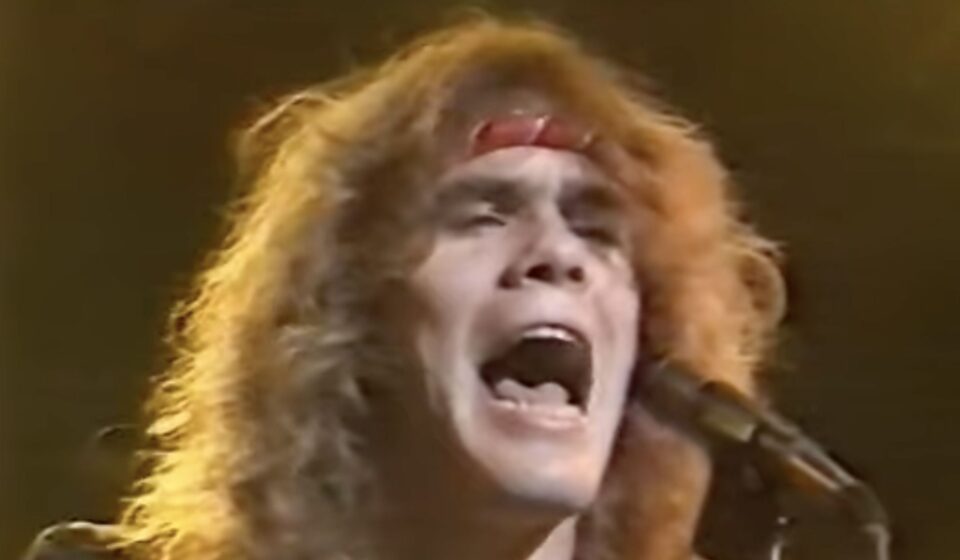
In the gritty landscape of the early ’80s British heavy metal scene, two titans-Iron Maiden and Def Leppard-reigned supreme, but lurking in the shadows were the lost heroes of that golden era: Diamond Head. Formed in 1977 in the unassuming Midlands town of Stourbridge, this glam-infused power quintet comprised guitarist Brian Tatler, the soaring vocals of Sean Harris, the thunderous drumming of Duncan Scott, and bassist Colin Kimberley. Inspired by rock luminaries like Led Zeppelin, Black Sabbath, and Deep Purple, Diamond Head sought to carve their name in stone, but what emerged was a tale of ambition, heartbreak, and the elusive path to stardom.
Their name, a nod to Phil Manzanera’s solo album, became synonymous with raw, visceral riffs that set the stage ablaze, with Tatler’s mastery of guitar rivaling the legends themselves. Critics hailed them as “the natural successors to Led Zeppelin,” and sounds writer Geoff Barton went as far to say that “there are more good riffs in your average single Diamond Head song than there are in the first four Black Sabbath albums.” It was the kind of press every band dreams of, yet reality proved harsher than anticipated, as Diamond Head lingered just out of reach of the mega-star status that embraced their contemporaries.
With their 1980 debut, Lightning to the Nations, Diamond Head birthed an iconic sound, brewing with tracks like “Am I Evil?” and “It’s Electric.” Their unique blend of heavy metal laid a massive groundwork for countless bands to follow. None were more thankful than Metallica’s Lars Ulrich, who declared, “Diamond Head was fifty percent of what ended up being Metallica.” But just as they started to rise, a hefty dose of bad luck complicated matters. They lacked the heavyweight management that the likes of Iron Maiden and Def Leppard enjoyed, their team led by Sean’s mother, Linda Harris, and her partner Reg Fellows, who funded the band with profits from a cardboard box business. It was almost charmingly tragic.
In 1982, they released Living on Borrowed Time, which entered the UK charts at No. 24, yet they found themselves stuck in the waiting room while other bands zoomed down the fast lane to fame. As Heavy Metal soared in the wake of their early influence, Diamond Head scrambled for headlining gigs and record deals, never quite catching the break they needed.
Perhaps it was hubris that led to their downfall. Amidst ambitions parallel to their idols, they ventured further from their heavy metal roots, seeking a more sophisticated sound with their third album, Canterbury. However, a manufacturing issue that rendered the initial press unplayable was the final nail in their coffin. Shortly after, a wave of disbandment and painful shame washed over them, leaving a legacy that felt cruelly incomplete.
Fast forward to a revitalizing reunion years later, and Tatler alongside Harris sought to reclaim lost glory. As Diamond Head embraced their past yet again, the specter of Metallica loomed large-reminding them what might have been. As Tatler muses now, “Talent is not enough. You need that will to succeed. And in the ’80s, we just didn’t have enough of that.”
So here’s to Diamond Head, the unsung titans of heavy metal! Their colossal riffs echo through history, a haunting reminder of what could have been. May their legacy continue to inspire the band of today and tomorrow, for their story is the true metal saga of rock and roll-a divine mix of brilliance and the pain of what life throws your way. Please, let us raise our horns to them.