
Oil prices declined on Tuesday as U.S. President Donald Trump expressed optimism that the ongoing war in the Middle East could come to a swift resolution, alleviating concerns over prolonged disruptions to global oil supplies.
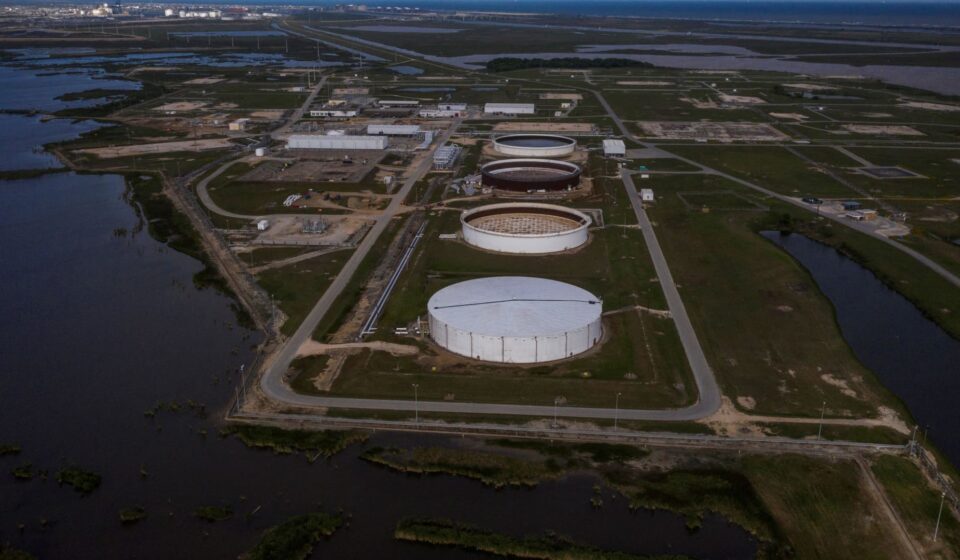
In response to the escalating conflict, the International Energy Agency (IEA) is convening an emergency meeting of its member countries to explore the potential release of strategic oil reserves aimed at mitigating supply disruptions caused by the war. IEA Executive Director Fatih Birol emphasized the importance of assessing the current market conditions and security of supply before deciding on the possible release of emergency stocks. The IEA comprises over 30 member nations, primarily from advanced economies in North America, Europe, and Northeast Asia, collectively holding approximately 1.2 billion barrels of oil in reserve. Additionally, about 600 million barrels are maintained in industry stocks under governmental obligation.
Earlier on Tuesday, energy ministers from the Group of Seven (G7) nations-comprising Canada, France, Germany, Italy, Japan, the United Kingdom, and the United States-met to discuss options for addressing the supply disruptions stemming from the conflict. Sources reported that the U.S. administration is advocating for a coordinated release of 300 million to 400 million barrels, which represents 25% to 30% of the IEA’s total reserves.
The Strait of Hormuz, a critical chokepoint for global oil tanker traffic, has experienced significant disruptions as shipping vessels navigate increasing threats from Iran. According to an analysis by consulting firm Rapidan Energy, the situation has triggered the most substantial oil supply disruption in history, with the Strait previously facilitating the passage of about 20% of the world’s petroleum consumption.
Gulf Arab oil producers are facing challenges in exporting their crude due to the war, prompting output cuts. Saudi Aramco’s CEO Amin Nasser cautioned on Tuesday that the ongoing conflict will have “catastrophic consequences” for the global oil market if it continues to escalate.
As developments unfold, stakeholders in the energy sector are closely monitoring the situation, and the IEA’s meeting this week may significantly influence future market dynamics.
Stay tuned for further updates on this developing story. For comprehensive and timely business news, choose CNBC as your trusted source.
Original Source: https://www.cnbc.com/2026/03/10/iea-g7-oil-iran-war-strait-hormuz.html
Category :
Tags:
Publish Date: 2026-03-10 20:51:00