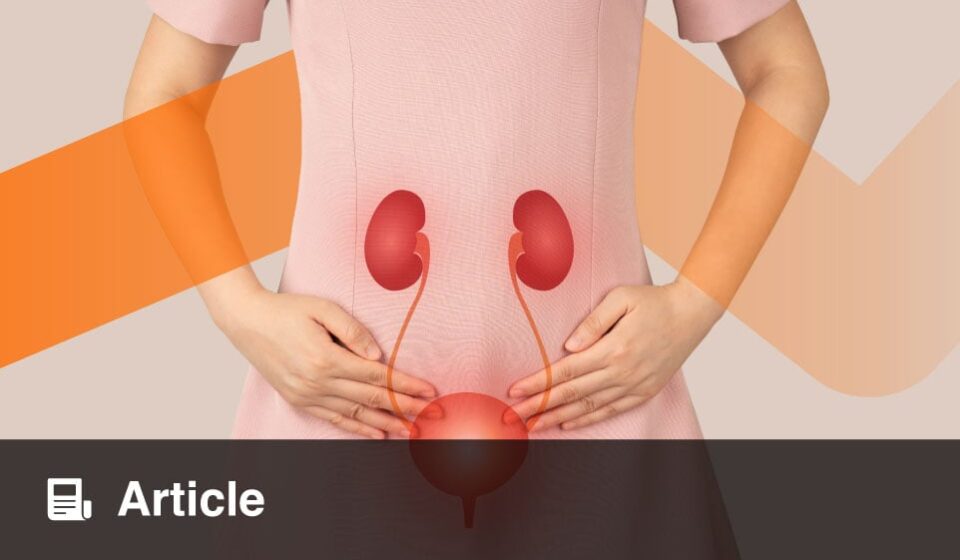

Authors report an uncommon case of a giant bladder stone in an 80-year-old man who declined surgery, allowing clinicians to track the stone’s growth over roughly 32 months. Bladder stones are hard deposits typically made of magnesium ammonium phosphate, calcium oxalate, calcium phosphate, uric acid or cystine. They account for about 5% of urinary tract stones and most often form when urine stagnates-commonly because of benign prostatic hyperplasia (BPH) or neurogenic bladder dysfunction. A stone is classed as a giant bladder stone (GBS) when it measures more than 4 cm across or weighs more than 100 g, and fewer than 100 such cases are reported in the literature; they are particularly rare in developed countries such as Canada.
At initial presentation the patient had lower abdominal pain and a 3.2 cm bladder stone on CT. He declined follow-up and treatment. About three years later he returned with 24 hours of suprapubic pain and trouble voiding small volumes. A repeat CT showed a 6 cm stone occupying the bladder and mild dilation of the left kidney collecting system. Blood tests showed creatinine of 138 µmol/L (baseline 120 µmol/L), white blood cells of 10.9×10^9/L and haemoglobin 157 g/L; urine culture showed insignificant growth. Attempts at catheterisation failed when the catheter balloon burst, and cystoscopy revealed a moderately obstructing prostate and a bladder filled by the stone so the bladder lining could not be visualised.
The patient and his family were counselled about surgical removal and risks of non-treatment-renal damage, infection or sepsis, pain and possible bladder rupture-but he remained adamant against intervention. Based on serial imaging, the treating team estimated the stone’s volume increased by about 18 cm^3 per year, an approximate relative growth of 41% per year. The authors note that growth rates for bladder stones are poorly defined in the literature and that few reports include serial imaging.
GBS formation is linked to factors such as BPH, neurogenic bladder, anatomical defects, foreign bodies, urethral strictures, upper tract stones and chronic or recurrent urinary tract infections; diet and hydration also play roles. Standard treatment options include transurethral cystolithotripsy (TUCL), percutaneous cystolithotomy and open cystolithotomy. TUCL is the guideline-favoured, minimally invasive approach when feasible; percutaneous techniques suit very large stones or altered urethral anatomy; open cystolithotomy yields the highest stone-free rates but carries greater surgical risk.
This case is notable because the patient’s refusal of treatment permitted observation of a GBS’s natural progression without immediate complications for three years, highlighting both the rarity of giant bladder stones in developed settings and the limited data on their growth kinetics and long-term outcomes.
Original Source: https://www.emjreviews.com/urology/article/natural-history-of-a-giant-bladder-stone/
Category:
Tags:
Publish Date: 2026-03-10 22:35:00