
As the conflict in the Middle East intensifies, global central banks face a new challenge: rising oil prices that threaten to reshape economic policies aimed at fostering growth. Following four consecutive days of gains, Brent crude reached $82.76 per barrel, a 1.6% increase on Wednesday and its highest mark since January 2025. Meanwhile, U.S. West Texas Intermediate (WTI) prices also surged, climbing to $75.48. This upward trajectory has economists, including those at Nomura, suggesting that central banks may prefer to keep interest rates steady in light of escalating geopolitical tensions.
Year-to-date, Brent crude oil has seen a remarkable rise of 36%, with WTI futures up by 32%, based on LSEG data. These increases are fueled by fears of an oil shock and the renewed risk of inflation, complicating the monetary policy landscape as nations grapple with stabilizing their economies amid unpredictable energy costs.
In parallel to the energy crisis, the situation in the global natural gas market is also unfolding dramatically. An LNG tanker, originally bound for Europe, has diverted its course towards Asia as natural gas prices soar. The analytics firm Kpler reported that this unprecedented maneuver highlights the widening price disparities between regions, driven by surging demand in Asia where buyers are competing fiercely for limited supplies. European natural gas prices have skyrocketed by 66% this week alone, following Qatari production cuts attributed to heightened tensions in the region.
Qatar, which supplies approximately 20% of the world’s LNG, has become increasingly pivotal amid this crisis, prompting concerns about more ships shifting toward Asian markets. As Kpler noted, this diversion of cargoes may add pressure to European energy prices as buyers scramble to secure their shipments in a tightening market.
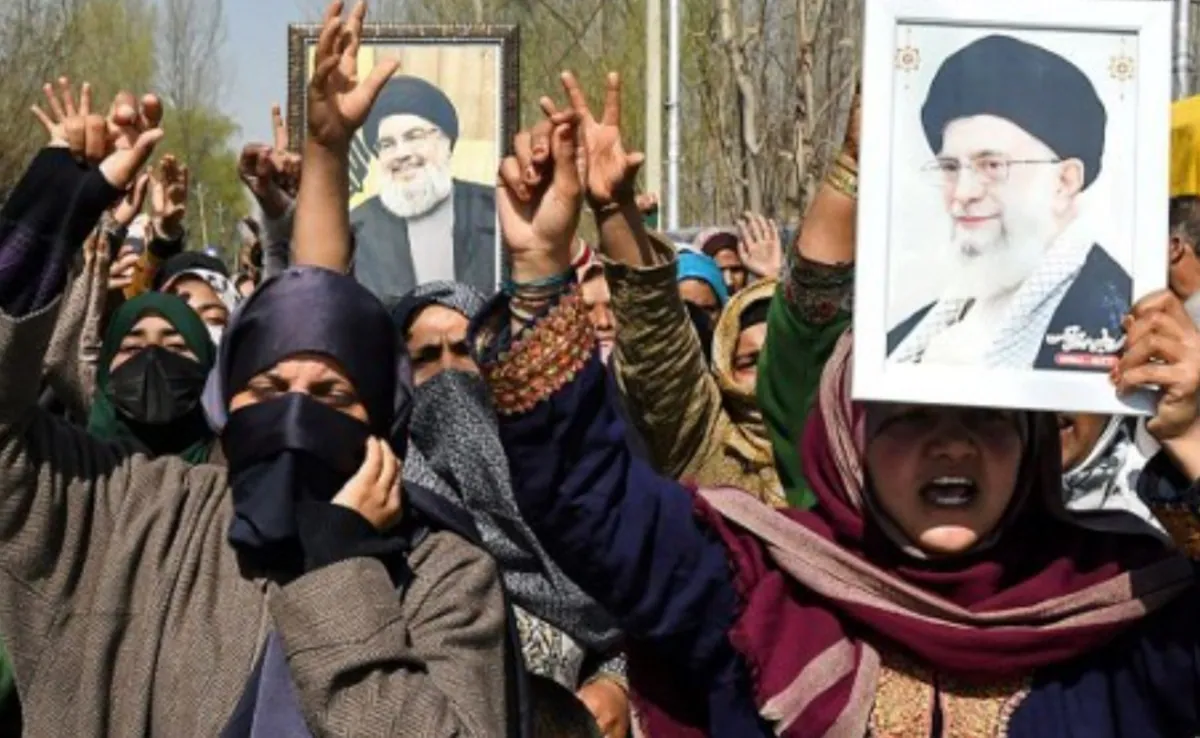
On the political front in Iran, a shift in leadership might be on the horizon. The New York Times reported that senior clerics are considering appointing Mojtaba Khamenei, the son of the late Ayatollah Ali Khamenei, as the next Supreme Leader. This potential change could be announced imminently, though there are concerns among clerics regarding U.S. and Israeli reactions to such a decision.
In the United States, the White House is ramping up discussions with major defense contractors as the ongoing conflict in the Middle East strains U.S. weapon supplies. Executives from companies like Lockheed Martin and RTX are set to meet with government officials to explore accelerating production rates. The Pentagon is also preparing a supplemental budget request, estimated at $50 billion, aimed at replenishing munitions used in recent military operations.
Amid these developments, U.S. diplomatic missions in the Gulf region are facing increased threats. Recent State Department cables indicate that multiple facilities have come under attack, sparking heightened security concerns. In incidents across Dubai, Kuwait, and Saudi Arabia, drone attacks have caused significant disruptions, though no casualties have been reported.
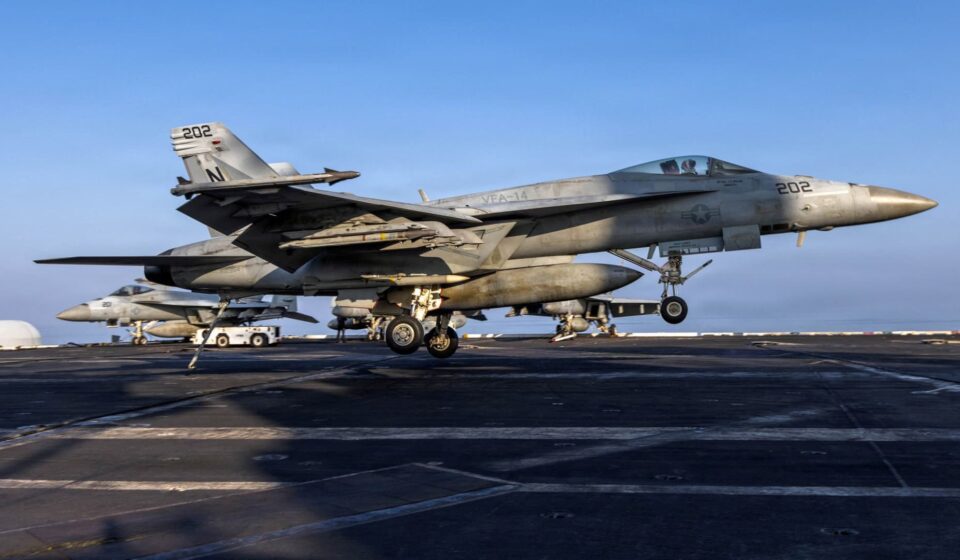
In a statement that underscores the gravity of the situation, a senior U.S. admiral declared that the U.S. Central Command has successfully targeted 17 Iranian vessels and significantly degraded Tehran’s air defenses, eliminating hundreds of ballistic missiles and drones. This strategic response highlights the ongoing tensions in the region.
As the Middle East conflict evolves, its implications extend far beyond geopolitics, influencing global markets and central banking strategies, challenging policymakers in unprecedented ways.
Original Source: https://www.cnbc.com/2026/03/04/us-iran-war-live-updates.html
Category :
Tags:
Publish Date: 2026-03-04 11:07:00