Unleashing Innovation: How One Software Engineer Dominated 7,000 Robot Vacuums Across 24 Countries!

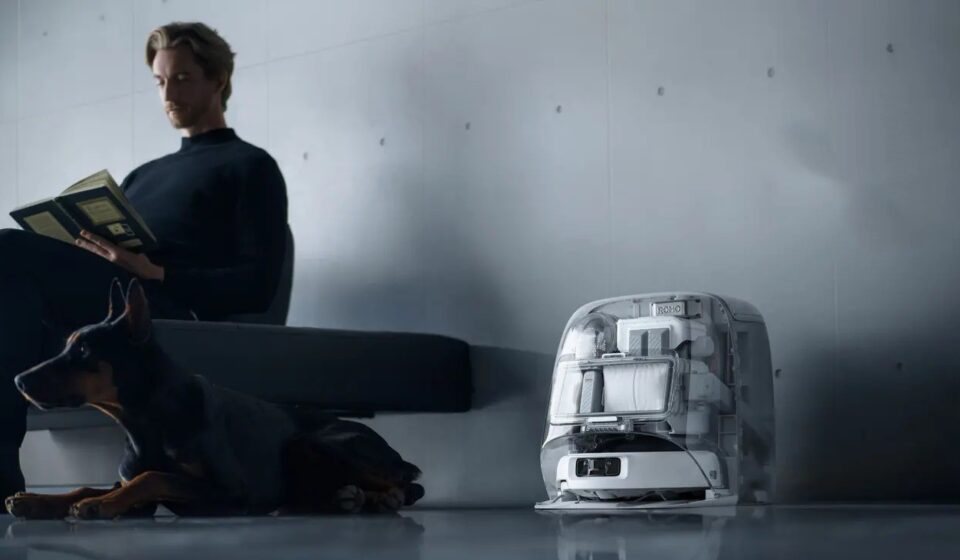
Sammy Azdoufal, a software engineer with a penchant for experimentation, wanted to control his new $2,000 DJI Romo robot vacuum using a PlayStation 5 controller. What started as a simple project quickly spiraled into a digital security catastrophe. After utilizing Claude AI to reverse-engineer the communication protocols of the DJI Home app, Azdoufal inadvertently uncovered a vulnerability that provided access to roughly 7,000 Romo vacuums across 24 countries. This seemingly innocent endeavor turned into an unintentional glimpse into the lives of thousands of unsuspecting individuals.
Azdoufal found he could not only access live camera feeds and microphones but also retrieve detailed floor plans of homes worldwide simply by using a vacuum’s serial number. The Verge confirmed this breach, noting that the exposed data also included information about DJI Power stations, indicating that the issue extended beyond just cleaning devices. The incident underscores the growing concerns around surveillance risks associated with smart home technologies, where devices typically designed for convenience may inadvertently become tools of intrusion.
DJI responded to the breach by rolling out multiple patches, with automatic updates issued on February 8 and 10, 2026. The company acknowledged discovering a backend permission flaw in late January and claimed that the issue was resolved. However, both Azdoufal and The Verge pointed out that early fixes left several security gaps unaddressed. Continuing problems included vulnerabilities that allowed PIN-bypass video streaming and another undisclosed, severe security flaw still awaiting a patch. DJI’s approach follows a familiar pattern in the tech industry: promptly acknowledge a problem, deploy quick fixes, and proclaim victory, all while the public remains unaware of persistent vulnerabilities.
This situation is particularly alarming as it highlights a troubling trend of security weaknesses in connected cleaning devices. Other brands, like Ecovacs and Dreame, have also faced similar issues in previous years. The broader concern is that as AI coding assistants like Claude make it easier for individuals to discover and exploit vulnerabilities, the risks of privacy breaches will continue to escalate. With companies like Tesla developing humanoid robots equipped with even more sensors, the Romo incident serves as a frightening preview of what smart home privacy nightmares could be in store.
It’s evident that the intersection of technology and privacy is becoming increasingly precarious. Consumers might find their routine cleaning schedules now come with the added risk of global surveillance. As smart home devices proliferate, the stakes around cybersecurity only grow higher, reinforcing the need for stronger protective measures in the realm of connected technology. The Romo breach is not just a wake-up call for DJI but a cautionary tale for the entire industry about the importance of robust cybersecurity in an increasingly data-driven world.
Original Source: https://www.gadgetreview.com/how-a-software-engineer-gained-control-of-7000-robot-vacuums-across-24-countries
Category :
Tags:
Publish Date: 2026-02-25 02:09:00