Escalating Iran-US Tensions: Tehran’s Powerful Preparations for Potential Conflict with Fortifications, Naval Drills, and Shamkhani’s Strategic Appointment

Iran is ramping up its military readiness amid an ongoing U.S. military buildup in the Middle East, signaling a potential escalation in tensions. As Washington seeks to negotiate a nuclear deal with Tehran, it simultaneously threatens military action if talks falter. Recent developments suggest that Iran is fortifying its nuclear facilities, rebuilding military structures, and conducting naval exercises in the strategically vital Strait of Hormuz.
Analysts have observed the emergence of a concrete shield at a sensitive military site in Iran, which is rumored to have been targeted by Israeli airstrikes in 2024. Satellite images also indicate that Iran has buried tunnel entrances at a nuclear facility previously struck by U.S. forces during a conflict with Israel, and has reinforced defenses at other key sites. These developments have been documented by various intelligence sources, including recent reports from Reuters. Notably, the Isfahan complex, which houses one of Iran’s uranium-enrichment plants, saw recent efforts to completely bury tunnel entrances, reflecting a strategic pivot towards increased concealment and preparedness.
Reconstruction efforts are also underway across multiple military sites. A forensic imagery analyst noted the ongoing restoration at the Shiraz South Missile Base, where clearance operations are evident in satellite imagery. Similar rebuilding efforts have been identified at the Qom Missile Base, with new roofs being installed over structures damaged in previous airstrikes. Reports from CNN reveal that significant repair works are taking place at the Imam Ali Missile Base in Khorramabad, with several facilities being rebuilt or restored after being destroyed.
Iran’s biggest strides appear to be at the Shahrud solid-propellant missile production facility, which has been rapidly reconstructed. Experts highlight Shahrud as a critical site due to its capacity for deploying longer-range missiles effectively. The swift restoration of this facility may reflect Tehran’s urgent focus on maintaining and advancing its missile capabilities.
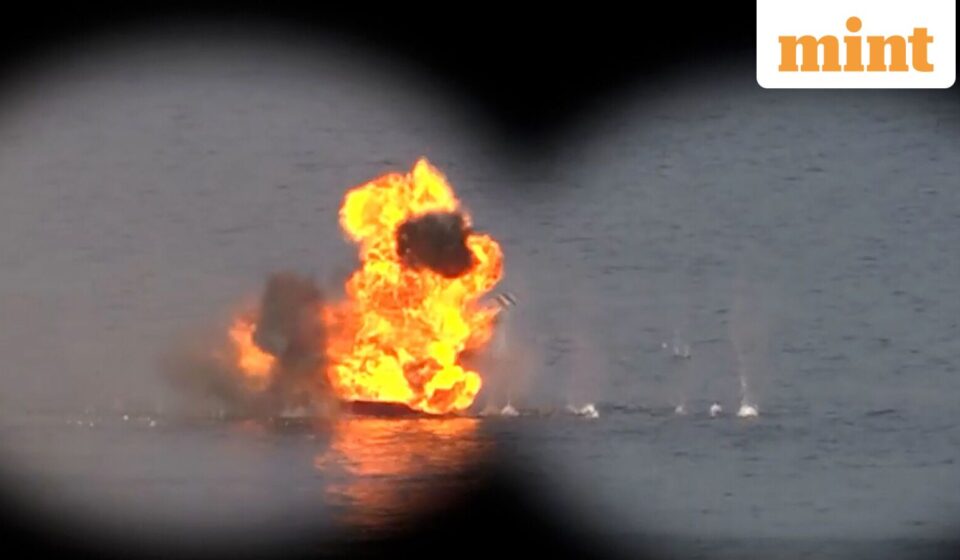
In addition to land-based military enhancements, Iran’s Naval Forces conducted exercises in the Strait of Hormuz, including temporary closures of parts of the waterway over a weekend in mid-February. These drills coincide with indirect negotiations regarding Iran’s nuclear program in Geneva. Iranian media stated that the naval exercise, termed the “Smart Control of the Strait of Hormuz,” aimed to ensure maritime safety and strategic oversight of this essential shipping route. The potential for Iran to close the Strait of Hormuz-should military hostilities erupt-remains a significant concern for global oil markets.
Leadership changes within Iran’s security apparatus also reflect its focused military posture. The formation of a new Defense Council under the Supreme National Security Council, alongside the appointment of Ali Shamkhani as Secretary, signals an effort to consolidate military strategy amidst perceived threats. Shamkhani’s extensive experience as a naval admiral and adviser to Supreme Leader Ayatollah Ali Khamenei underscores Iran’s intentions to strengthen its defensive capabilities.
As these military and diplomatic dynamics unfold, the international community remains vigilant. The intersection of military preparation and nuclear negotiations will be pivotal in determining the next chapter of Iran-U.S. relations, with implications that resonate well beyond the region.
—
Tags: Iran, U.S. military buildup, nuclear negotiations, Strait of Hormuz, military readiness, missile production
Original Source: https://www.livemint.com/news/world/iranus-tensions-how-tehran-may-be-preparing-for-larger-conflict-fortification-naval-drills-shamkhanis-appointment-11771639763232.html
Category :
Tags:
Publish Date: 2026-02-21 07:47:00