URGENT: Your Windows PC Could Fail to Boot in June 2026-Discover the Shocking Reasons and Powerful Fixes!

A critical deadline regarding the Windows Secure Boot feature looms in mid-2026, and understanding its implications is vital for users. Secure Boot, a safety measure that authenticates a PC’s startup process before Windows loads, relies on cryptographic certificates. Unfortunately, many of these long-standing certificates are set to expire in June 2026. Without timely updates, systems may face significant issues, potentially becoming unable to accept future boot-level updates or even failing to start entirely. Microsoft is already rolling out newer certificates, so there’s no reason to panic, but it’s essential to grasp how Secure Boot works to avoid unforeseen complications.
When you power on your computer, Secure Boot performs a crucial verification role. The system firmware checks trusted certificates embedded within the UEFI firmware to confirm that vital boot components, primarily the Windows Boot Manager, possess valid signatures from trusted authorities. If a signature fails verification, the boot process is halted to prevent unverified or potentially harmful code from executing. This verification forms the cornerstone of the “chain of trust.” Microsoft’s private keys sign Windows boot components, ensuring that only approved entities can modify allowed bootloaders. However, this trust mechanism comes with an expiration date; once a certificate expires, the firmware can no longer recognize it as a valid trust anchor. This design helps mitigate long-term vulnerabilities associated with outdated or compromised signing keys.
The certificates at risk of expiring were created over a decade ago, primarily in 2011, and their validity is set to end in 2026. Key certificates, like the Microsoft Corporation KEK CA 2011, which authorizes updates to Secure Boot trust databases, will be replaced by newer counterparts such as the Microsoft Corporation KEK CA 2023. Additionally, the Microsoft UEFI CA 2011 will give way to both the Microsoft UEFI CA 2023 and the Microsoft Option ROM UEFI CA 2023. While these transitions are pivotal for maintaining security, systems that fail to update may miss out on future Secure Boot protections.
While it’s unlikely that users will face immediate startup failures upon certificate expiration, firmware and security updates may affect a PC’s trust framework. Microsoft’s proactive response to vulnerabilities, such as the BlackLotus UEFI bootkit, highlighted the importance of adhering to stricter Secure Boot requirements and revoking compromised boot components. Thus, even if your PC appears functional, it might refuse to boot if an update requires trust in certificates it does not possess-leading to limited recovery options.
To ensure a smooth transition to newer Secure Boot certificates, Microsoft has initiated a phased rollout targeting systems that demonstrate high reliability and modern firmware. These eligible devices receive updates automatically via Windows Update, provided they cooperate with the firmware. This approach also extends to virtual machines relying on UEFI Secure Boot, which must accept the newer certificates or risk encountering similar issues to physical hardware.
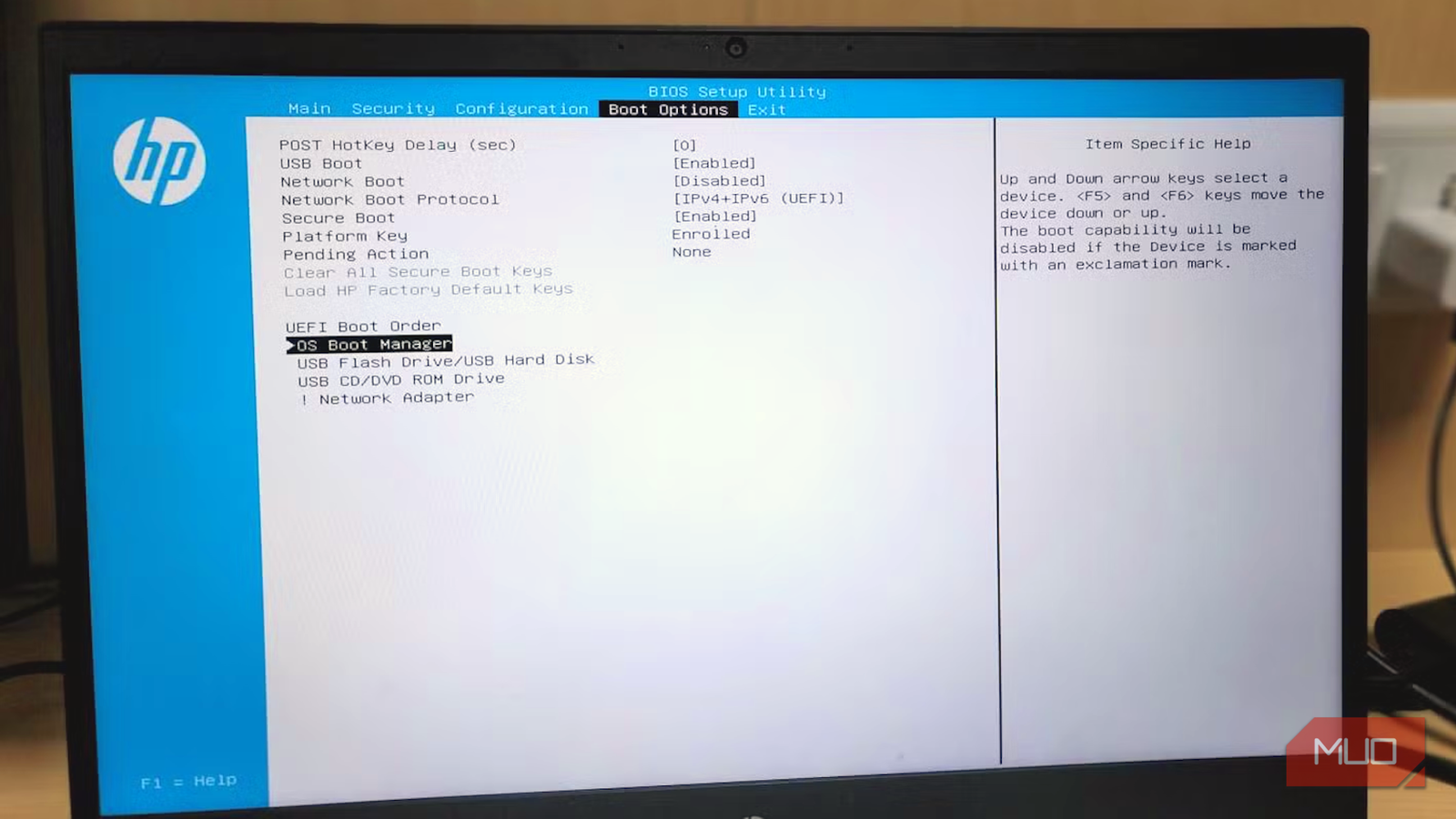
As the June 2026 deadline approaches, users should confirm that Secure Boot is enabled and that their system firmware is up-to-date. The Windows System Information tool can help verify Secure Boot status, while firmware updates should be sourced from the PC manufacturer. Users with dual-boot configurations or older systems may need to manually check registry settings to ensure eligibility for updates. By taking these proactive steps now, users can avoid boot issues when the deadline arrives, ensuring continued access to necessary updates and protections.
Original Source: https://www.makeuseof.com/windows-pc-might-stop-booting-june-2026-why-and-how-to-fix-it/
Category :
Tags:
Publish Date: 2026-02-15 19:31:00