
A discounted racing wheel and pedals may look like a niche consumer story – but it surfaces lessons every technology leader should care about: human interfaces, platform drift, lifecycle costs, and the tension between short-term bargains and long-term value.
Context
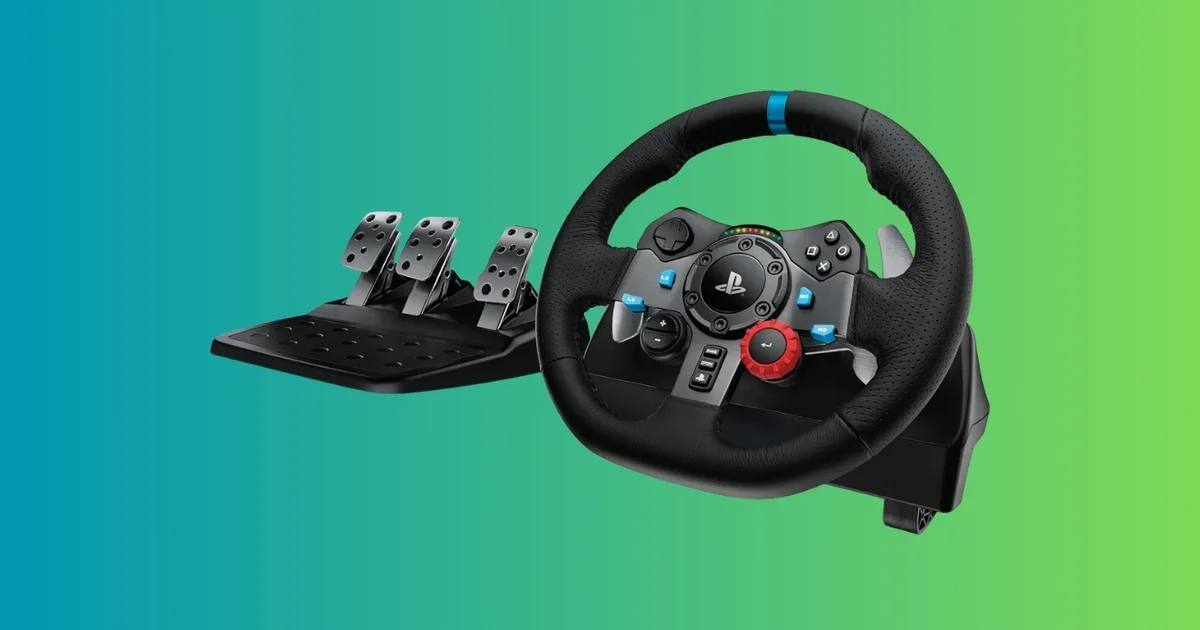
I recently came across a product review highlighting a discounted Logitech G29 wheel-and-pedal bundle (force feedback wheel, stainless‑steel paddles, leather trim) offered with a countdown-style sale. The coverage framed it as an accessible entry point for better immersion across PS/PC/Mac platforms – and the deal was presented as time‑sensitive.
Why this matters beyond gaming
At first glance this is retail copy. But strip that away and the signal is broader: hardware peripherals are where software expectations meet physical reality. For enterprises and product teams, that intersection creates both opportunities and risks.
1) Human‑first inputs are making a comeback
We habitually fixate on APIs and cloud latency, yet real-world interfaces – haptics, force feedback, tactile controls – dramatically change behaviour and outcomes. In simulation, training, and even certain enterprise UX flows, the difference between “tap” and “feel” can equal a measurable performance gain (faster learning, fewer errors). That’s why haptics matter beyond games: they’re an amplifier of fidelity when modelling real-world tasks.
2) Compatibility is strategic, not cosmetic
The G29’s cross‑platform compatibility is the feature reviewers sell; architects should treat it as a requirement. When selecting hardware for pilots or deployments (training rigs, kiosks, simulation labs), insist on multi‑OS drivers, community support, and manufacturer commitment to updates. A cheaper device that becomes unusable after an OS upgrade is a hidden technical debt item.
3) Build vs Buy – the familiar tradeoff
There will always be temptation to build custom rigs for differentiation. But off‑the‑shelf peripherals lower time‑to‑market and reduce initial costs. The correct choice is contextual: use commoditized hardware for early validation and pivot to custom solutions only when the product’s unique value is bounded by physical performance that commodity parts can’t meet.
4) Pricing psychology and procurement discipline
Countdown offers and flash sales spur rapid consumer decisions – and create procurement traps for organisations that lack process. For departments buying equipment, a disciplined buying policy (evaluate warranty, repairability, TCO, supplier SLAs) prevents impulsive purchases that later incur support and integration costs.
5) Sustainability and lifecycle planning
Discounts on last‑generation hardware can extend usable life and democratize access, but leaders must account for repairability and e‑waste. Opt for suppliers with clear spare‑part availability and consider service contracts, because the true cost of a peripheral is its maintenance over years, not its sale price.
A short note for Indian enterprises and ecosystems
India’s gaming and simulation ecosystem is growing rapidly, including in training applications for driver education and fleet management. Accessible peripherals – when chosen with interoperability and longevity in mind – can be repurposed from consumer setups into low‑cost training rigs for small driving schools or vocational programs. In the Northeast, where budgets are tighter and deployments may face connectivity or logistics friction, favor robust, easily serviceable hardware and local support channels.
Practical takeaways for CTOs and Founders
– Treat hardware like software: include compatibility, driver lifecycle, and community support in your selection criteria.
– Use commodity peripherals for rapid pilots; commit to custom builds only when ROI and scale justify the engineering debt.
– Require procurement checklists that include warranty length, repair parts, and OS‑upgrade guarantees – not just unit price.
– Consider sustainability: choose vendors with spare‑parts availability and clear recycling or buyback options.
– Explore secondary use cases (training, simulation) to extract long-term value from consumer hardware investments.
Closing thought
A discounted wheel is more than an impulse buy – it’s a reminder that the boundaries between physical and digital experiences are strategic battlegrounds. The teams that treat tactile hardware with the same rigour they apply to APIs and data pipelines will build systems that aren’t just faster, but more human.
About the Author Sanjeev Sarma is the Founder Director of Webx Technologies Private Limited, a leading Technology Consulting firm with over two decades of experience. A seasoned technology strategist and Chief Software Architect, he specializes in Enterprise Software Architecture, Cloud-Native Applications, AI-Driven Platforms, and Mobile-First Solutions. Recognized as a “Technology Hero” by Microsoft for his pioneering work in e-Governance, Sanjeev actively advises state and central technology committees, including the Advisory Board for Software Technology Parks of India (STPI) across multiple Northeast Indian states. He is also the Managing Editor for Mahabahu.com, an international journal. Passionate about fostering innovation, he actively mentors aspiring entrepreneurs and leads transformative digital solutions for enterprises and government sectors from his base in Northeast India.