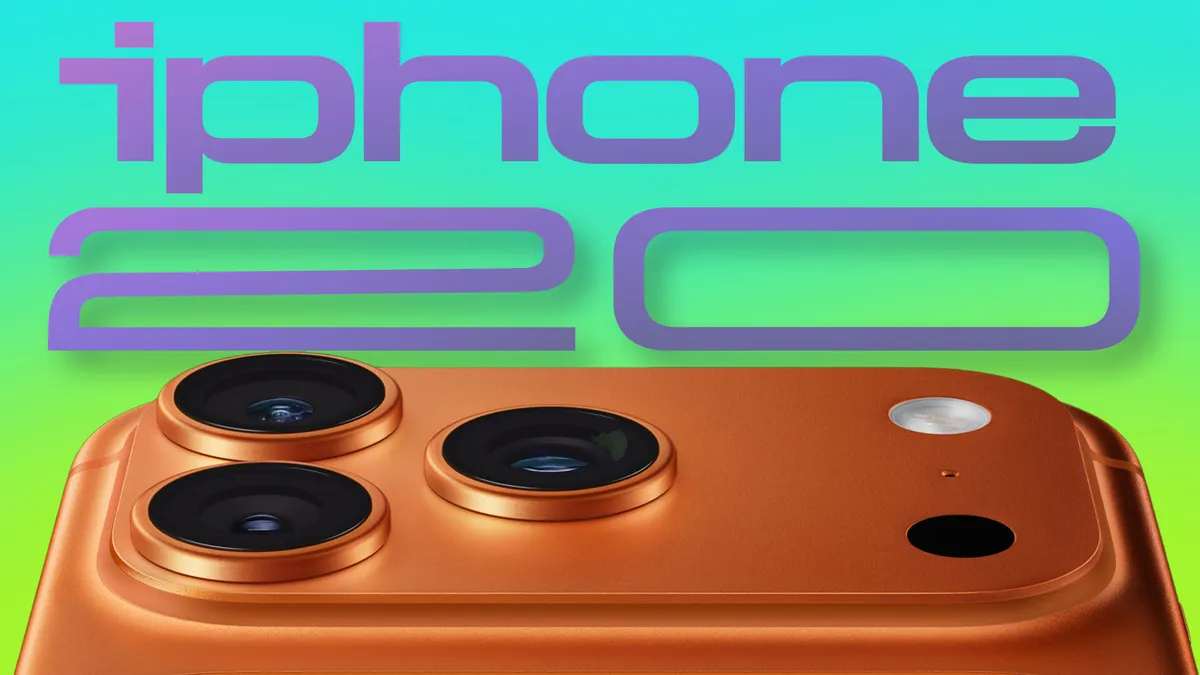

Are We Ready for the iPhone 20? Insights on Apple’s Next Big Leap
As we stand on the precipice of technological evolution, it’s fascinating to consider how long-standing giants like Apple continue to redefine the landscape. In anticipation of the iPhone 20-a flagship product that will mark the 20th anniversary of the iconic iPhone-rumors suggest not just an iterative upgrade, but a revolutionary redesign that could reshape consumer expectations and experiences.
Recent insights indicate a move towards radical design changes, potentially an all-glass frame devoid of physical buttons, and the possibility of a front-facing camera hidden beneath the display. This level of innovation echoes the shifts we witnessed with the iPhone X, which introduced Face ID and a near-borderless design. As we look to September 2027 for its likely release, there’s an expectation for Apple to step up once more with another groundbreaking device.
The recent history of technological advancements illustrates that significant shifts in product design often coincide with notable anniversaries or milestones. Companies utilize these moments not merely for celebration but also as platforms for reinvention. Apple seems poised to do the same with the iPhone 20, as it transitions from traditional hardware to a more seamless user interface that leverages haptic feedback for touch functions.
However, amidst this exciting speculation, we must consider the broader implications of these transformations.
Context: The Future of Design and User Experience
In summary, the upcoming iPhone 20 is not just about aesthetics; it symbolizes a deeper shift in user interaction and experience. By removing physical buttons and integrating technology that allows for control through tactile feedback, Apple signals a renewed focus on design simplicity and immersive user experience. This move could set new standards not only for smartphones but also for devices across all sectors.
Analysis: What It Means for Enterprises and Beyond
From an architecture and strategy standpoint, the potential for an all-glass, button-less iPhone speaks to the evolving nature of consumer technology and its architectural resilience. Here are some critical takeaways:
-
Scalability and Flexibility: As products become more integrated with software solutions, companies must analyze how to scale their systems to maintain interoperability and performance. The trend towards minimalistic design often drives the need for more robust back-end solutions to support seamless, intuitive user experiences.
-
Security Considerations: Transitioning to a model where physical buttons are eliminated raises questions around how security measures, such as authentication and access control, will be designed. We must think about how to ensure a Zero Trust environment when users rely on gestures or haptic feedback.
-
Long-term Debt: Businesses must be cautious of the short-term allure of design changes that may lead to long-term complexity. The trade-offs between adopting cutting-edge technology and ensuring user familiarity is an area that CTOs must navigate carefully.
-
Build vs. Buy: As companies consider adopting similar technologies, weighing the merits of developing proprietary systems versus leveraging existing platforms becomes crucial. Developing unique user interfaces might offer differentiation but also requires significant investment in research and design.
With these factors in mind, it’s essential for stakeholders-especially in emerging tech markets-to rethink their value propositions. As we anticipate Apple’s ambitious strides, businesses should also review their own innovation trajectories and be prepared to adapt.
Takeaways:
- Anticipate transformational changes in product design, moving towards a focus on immersive user experiences.
- Consider the implications of a more integrated and software-driven approach on scalability and security.
- Evaluate risks and infrastructure requirements associated with rapidly evolving designs.
Closing Thought: As we embrace the dawn of the iPhone 20, we must not merely focus on the tech but also on the human experiences it seeks to enhance. The future belongs to those who can perceive changes not as challenges but as opportunities for growth and innovation.
About the Author
Sanjeev Sarma is the Founder Director of Webx Technologies Private Limited, a leading Technology Consulting firm with over two decades of experience. A seasoned technology strategist and Chief Software Architect, he specializes in Enterprise Software Architecture, Cloud-Native Applications, AI-Driven Platforms, and Mobile-First Solutions. Recognized as a “Technology Hero” by Microsoft for his pioneering work in e-Governance, Sanjeev actively advises state and central technology committees, including the Advisory Board for Software Technology Parks of India (STPI) across multiple Northeast Indian states. He is also the Managing Editor for Mahabahu.com, an international journal. Passionate about fostering innovation, he actively mentors aspiring entrepreneurs and leads transformative digital solutions for enterprises and government sectors from his base in Northeast India.