
The Imperative of Evolving Electric Vehicle Strategies: Lessons for Industry Leaders
In the rapidly changing landscape of electric vehicles (EVs), the narrative often overlooks critical players like Volkswagen (VW), which has recently faced challenges that are emblematic of broader industry trends. As the company transitioned from the shadow of the “Dieselgate” scandal to a promise of affordable EVs for everyone, its journey serves as a potent reminder of the importance of sustained focus and adaptability in automotive strategy.
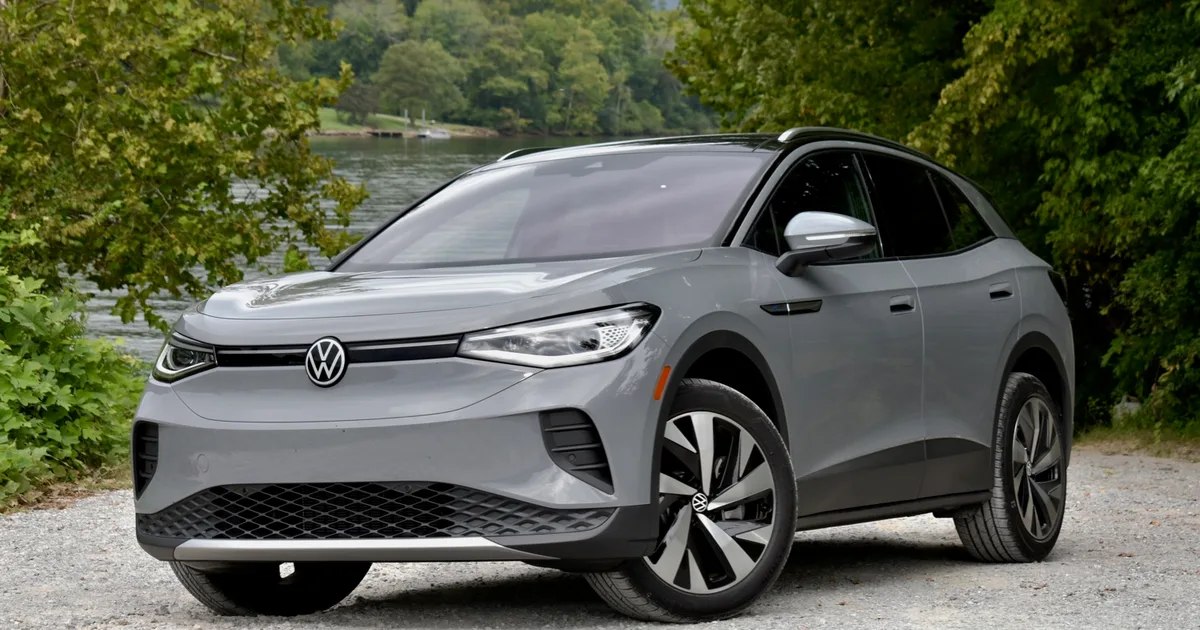
Volkswagen’s foray into electric mobility began with the goal of reaching mass markets through its ID family. However, while the pledge of delivering “electric mobility for the millions” resonated well, the reality in the U.S. market has been starkly different. Despite initial successes with the ID.4, the brand struggled with supply chain disruptions, recalls, and a static approach that allowed competitors to outpace them.
Context
VW launched its ID line with a state-of-the-art flexible architecture, MEB, symbolizing a significant evolution in their production model. Initially, the ID.4 was positioned as a cost-effective and competitive option in the compact SUV market. However, after facing quality issues and an evolving competitive landscape dominated by brands like Hyundai and Kia, the ID.4’s sales have declined. The proposed rebranding of the ID.4 to ID.Tiguan indicates a strategic pivot, aiming to reconnect with consumers by leveraging existing brand recognition.
The Analysis
This situation opens up critical insights for industry leaders within the EV market and beyond. At its core, VW’s plight highlights the strategic imperative of aligning product offerings with market expectations and consumer preferences. Here’s what this means for enterprise architecture and strategic planning:
-
Market Responsiveness: Organizations must prioritize understanding local and international market dynamics. VW’s initial oversight in recognizing the evolving preferences of U.S. consumers-who show diminishing interest in sedans-signals the necessity for agile product development and marketing strategies.
-
Innovation and Agility: The auto industry is witnessing technological advancements, such as 800-volt architectures that dramatically improve charging efficiency. Companies need to ensure their R&D engines are robust and adaptable, enabling them to respond swiftly to technology shifts. Otherwise, stagnation will lead to missed opportunities in a competitive landscape.
-
Long-Term Vision and Short-Term Execution: VW’s original ambitious targets were undermined by a series of missteps. This underscores the importance of balancing visionary goals with pragmatic execution. Short-term challenges must be met with agile, evidence-based decision-making to avoid creating long-term structural debt.
-
Customer Engagement: VW’s attempt to rebrand ID.4 to ID.Tiguan is an acknowledgment of past misjudgments and the importance of customer connection. A proactive approach in engaging customers through feedback channels can provide invaluable insights, enabling better alignment of products with user needs.
Localization
For emerging markets like Northeast India, where the adoption of electric vehicles is still in its nascent stages, the lessons from VW are particularly salient. As we strive for digital public infrastructure (DPI) and last-mile connectivity, local automakers and tech companies can mimic this approach by actively engaging with community needs, prioritizing affordability, and ensuring that products are culturally relevant.
By fostering technological advancements tailored to local contexts, Indian startups can leapfrog traditional automotive hurdles, creating tailored solutions that resonate with consumers while simultaneously addressing critical challenges like urban mobility and pollution.
Key Takeaways
- Emphasizing market adaptability in product development can foster greater resilience against competitor advancements.
- Building a robust feedback mechanism can facilitate timely pivots in strategy, reinforcing customer trust.
- Localized innovations in electric vehicle strategies provide significant opportunities for addressing unique market demands in regions like Northeast India.
As the automotive landscape continues to evolve, it is incumbent upon industry leaders to not only learn from missteps but to actively engage in dialogue with consumers and stakeholders. In a world where technology is advancing rapidly, foresight and adaptability will be the defining traits of successful enterprises.
Closing Thought
To shape a sustainable future in electric mobility, stakeholders must view innovation not merely as an option but as an imperative.
About the Author
Sanjeev Sarma is the Founder Director of Webx Technologies Private Limited, a leading Technology Consulting firm with over two decades of experience. A seasoned technology strategist and Chief Software Architect, he specializes in Enterprise Software Architecture, Cloud-Native Applications, AI-Driven Platforms, and Mobile-First Solutions. Recognized as a “Technology Hero” by Microsoft for his pioneering work in e-Governance, Sanjeev actively advises state and central technology committees, including the Advisory Board for Software Technology Parks of India (STPI) across multiple Northeast Indian states. He is also the Managing Editor for Mahabahu.com, an international journal. Passionate about fostering innovation, he actively mentors aspiring entrepreneurs and leads transformative digital solutions for enterprises and government sectors from his base in Northeast India.