
The Color of Innovation: What Samsung’s Galaxy S26 Reveals About Brand Strategy and User Experience
In an age where color choices in flagship smartphones are more than just aesthetic, they hold significant strategic implications for brand identity and user engagement. This is exemplified by Samsung’s Galaxy S26 series, which is generating buzz not just for its upgraded specs, but also for its color lineup that reflects a carefully crafted marketing narrative.
Context
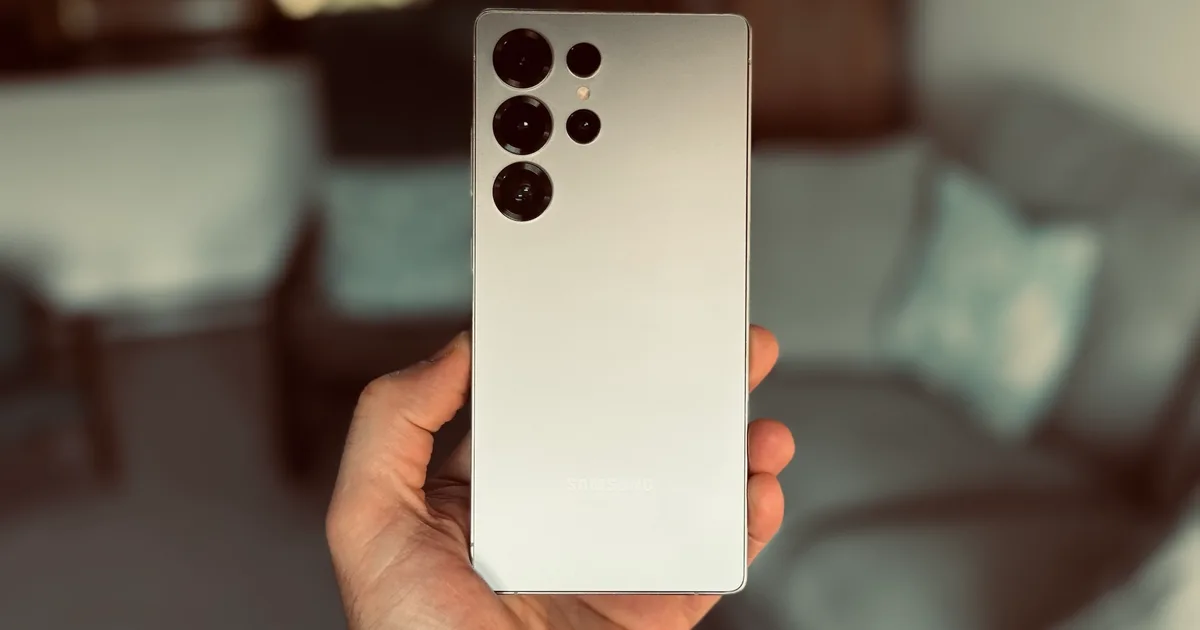
Recent leaks suggest that the Galaxy S26 Ultra will feature a signature purple color, shifting focus from an initially rumored striking orange variant. This reflects a broader trend where flagship devices adopt a fresh color palette, making a bold statement in an increasingly competitive smartphone landscape. Notably, the introduction of seasonal and limited-edition colors has become a cornerstone of flagship marketing, aiming to evoke emotional responses from consumers.
Analysis
The strategic decision behind the color offering goes beyond mere aesthetics; it’s a classic illustration of how brand perception shapes consumer choices. The choice of a signature color-here, purple-positions the Galaxy S26 Ultra as not just another high-spec device, but as a lifestyle statement. Colors have the power to evoke feelings and create associations; for instance, purple often symbolizes luxury and innovation. By changing its signature color each year, Samsung keeps its flagship in the cultural conversation, making each launch feel unique and compelling.
From an enterprise architecture perspective, this marketing strategy underscores the importance of aligning product features with user experience and emotional engagement. It’s a case of balancing cost and innovation; while adopting new colors may involve additional R&D, the potential for increased sales and brand loyalty makes it worthwhile. As technology leaders, CTOs and founders should consider how their own products are perceived and marketed, recognizing that color and design choices can deeply influence consumer behavior.
Furthermore, the potential for an exclusive orange variant to be sold via Samsung’s online store illustrates another layer of modern marketing strategy-the direct-to-consumer approach. By controlling more points of sale, companies can leverage data analytics to understand consumer preferences and behaviors more intimately, customizing marketing strategies that resonate with target audiences. This presents an opportunity for businesses to enhance customer relationships and create a loyal community around their brand.
As we anticipate the Galaxy S26 series’ forthcoming launch, anticipated for late February, it becomes increasingly clear that our digital environment is shifting toward a more personalized experience. Whether through color choices, features, or user-centric innovations, brands must be vigilant about the emotional resonance of their offerings.
Localization
In India, particularly in Northeast regions, the implications of such branding strategies extend beyond consumer engagement. As smartphone penetration rises, brands must consider local culture and preferences when determining product offerings. This may prompt companies to introduce culturally relevant colors or patterns, appealing to diverse consumer bases. In regions where mobile devices are often the primary means of accessing the digital world, an understanding of color psychology can help tailor marketing campaigns that resonate more personally.
Takeaways
-
Emotional Branding: Colors can evoke feelings that enhance user experience and brand loyalty. Recognizing emotional triggers can be a powerful tool in product marketing.
-
Direct-to-Consumer Strategies: Companies should leverage online platforms to gather data on consumer preferences and tailor their offerings accordingly.
-
User Engagement: The narrative around product features, including color offerings, should align with creating a unique user experience that cuts through market noise.
Closing Thought
As we observe the unfolding narrative around Samsung’s Galaxy S26, it serves as a reminder that in a world overflowing with choices, effective branding can illuminate pathways to consumer hearts-transforming an ordinary smartphone launch into a cultural event.
About the Author
Sanjeev Sarma is the Founder Director of Webx Technologies Private Limited, a leading Technology Consulting firm with over two decades of experience. A seasoned technology strategist and Chief Software Architect, he specializes in Enterprise Software Architecture, Cloud-Native Applications, AI-Driven Platforms, and Mobile-First Solutions. Recognized as a “Technology Hero” by Microsoft for his pioneering work in e-Governance, Sanjeev actively advises state and central technology committees, including the Advisory Board for Software Technology Parks of India (STPI) across multiple Northeast Indian states. He is also the Managing Editor for Mahabahu.com, an international journal. Passionate about fostering innovation, he actively mentors aspiring entrepreneurs and leads transformative digital solutions for enterprises and government sectors from his base in Northeast India.