Geoeconomic Conflict Surges: Unveiling Global Risks for 2026 | Cybersecurity Crisis Looms in India, WEF Highlights AI Revolution!

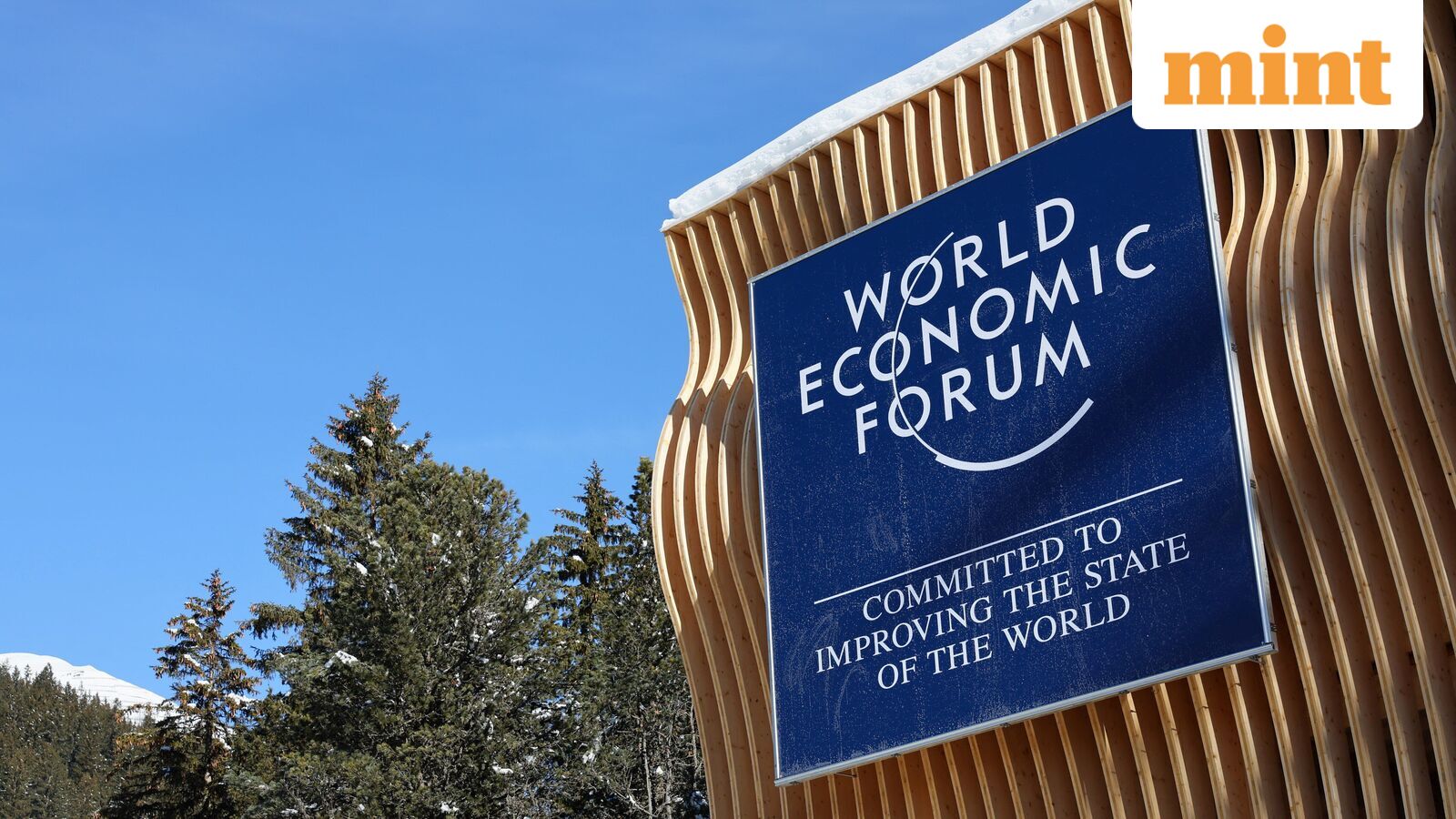
Geoeconomic conflict has surged to the forefront as the primary global risk for 2026, according to the latest Global Risks Report from the World Economic Forum (WEF), released on January 14. The report reveals that geoeconomic confrontations have escalated dramatically, climbing eight positions to seize the top spot among global threats over the next two years. Following closely behind are misinformation and disinformation, societal polarization, extreme weather events, and the dangers of interstate conflict.
Over a decade-long perspective, extreme weather stands out as the most pressing concern, accompanied by biodiversity loss and ecosystem collapse-changes that could severely impact Earth’s systems. The report also flags the rising threat of misinformation, particularly the adverse effects of artificial intelligence technologies.
For India, the report identifies five critical risks: cyber insecurity, income inequality, inadequate public services, economic downturn, and state-based armed conflict. On the global stage, the WEF notes that critical infrastructure has emerged as a fresh battleground for conflict. It warns that governments controlling essential resources like rivers may be tempted to divert these to benefit their own citizens at the expense of neighboring nations. This precarious situation underscores the growing importance of water security worldwide.
Potential flashpoints in the coming decade could arise in the Indus River Basin, between India and Pakistan, or with Afghanistan’s Qosh Tepa Canal project, which threatens to reduce water flow into Turkmenistan and Uzbekistan. Meanwhile, the report highlights India’s Unified Payments Interface as a model for other nations to emulate, suggesting it enhances banking systems’ resilience against future financial crises.
The alarming spread of misinformation and disinformation takes center stage in the report, particularly through the rise of deepfakes-manipulated videos and audio that can influence political discourse and elections. The WEF emphasizes that the proliferation of these fabricated contents has already affected elections in numerous countries, including the United States, Ireland, and India, fostering political polarization and risking social unrest.
When gazing into the future, an overwhelming 57% of respondents anticipate a tumultuous world ahead, while only 1% predict a state of calm. “A new competitive order is taking shape as major powers seek to secure their spheres of interest,” noted WEF President Borge Brende. He emphasized the necessity of collaborative approaches in this shifting landscape, signaling the importance of dialogue and cooperation.
The geopolitical landscape indicates that 68% of respondents foresee a “multipolar or fragmented order” in the next decade, marking a four-point increase from last year. Economic risks have witnessed a collective rise in the short-term outlook, with both economic downturn and inflation jumping eight places in ranking. Concerns over rising debt and potential asset bubbles could usher in a new phase of financial volatility.
While misinformation and disinformation emerged as the second most significant risk, cybersecurity concerns ranked sixth globally. The adverse impacts of AI technologies also gained attention, moving from the 30th position in short-term risks to fifth place in the ten-year outlook, indicating heightened worries about its impact on labor markets and society. Societal polarization continues to loom large, ranked fourth in 2026 and third by 2028.
With immediate concerns overshadowing long-term environmental strategies, issues such as extreme weather and biodiversity loss have dropped in priority. Nonetheless, the expectation remains dire, as three-quarters of respondents predict a challenging environmental future, highlighting the urgency for action across various domains.
As the WEF prepares for its upcoming annual meeting in Davos, the focus will remain on understanding these risks and forging the necessary partnerships to mitigate them.
Original Source: https://www.livemint.com/news/world/geoeconomic-conflict-tops-global-risks-for-2026-cybersecurity-major-concern-for-india-says-wef-flags-ai-impact-11768397115721.html
Category :
Tags:
Publish Date: 2026-01-14 19:55:00