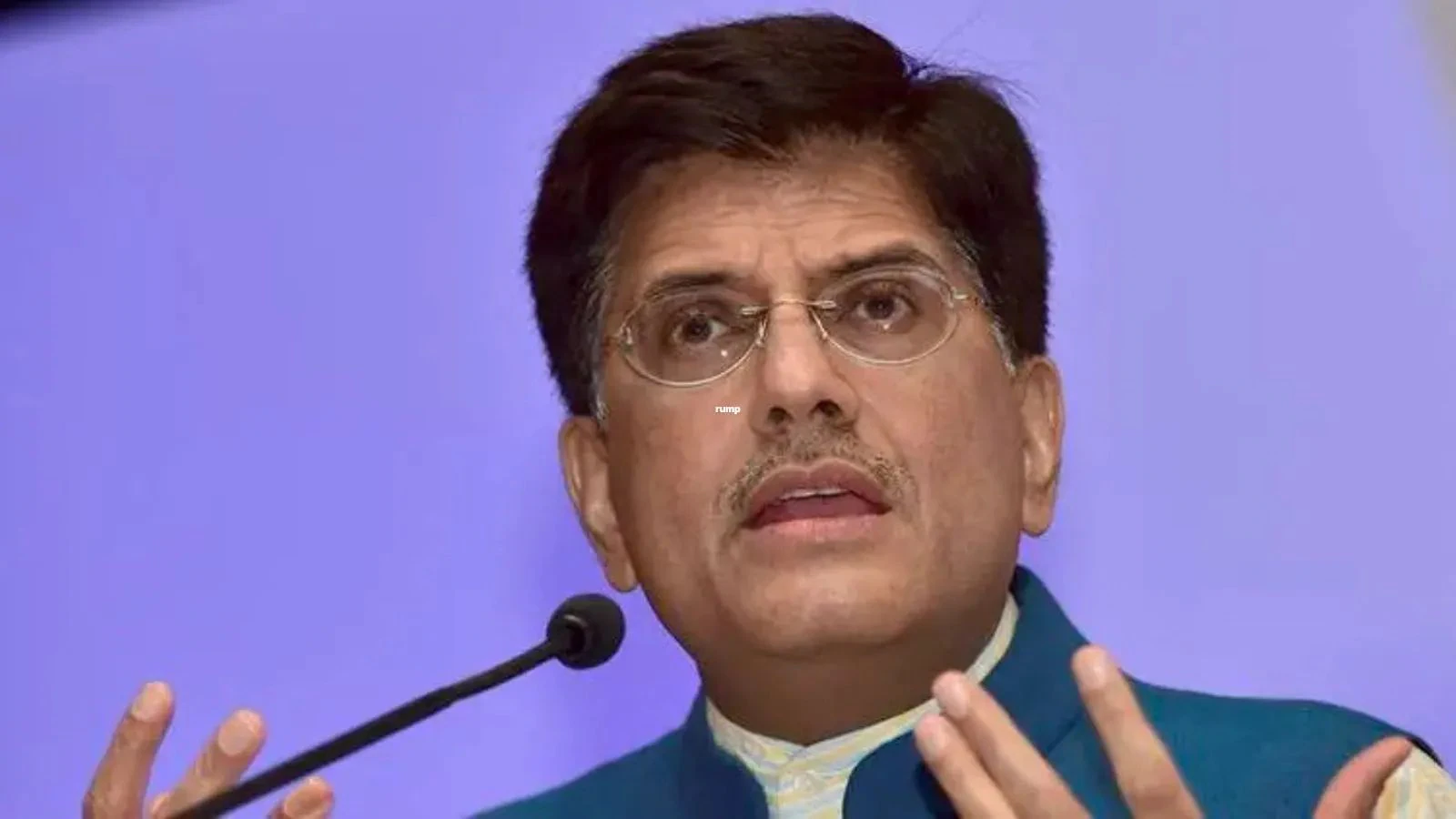

High U.S. tariffs are not the only factors impacting Indian exports, as rising raw material costs, a shortage of testing facilities to meet global quality standards, and insufficient shipping containers are exacerbating the situation. This information was disclosed by the Union Commerce and Industry Ministry following a Right to Information (RTI) application. The challenges were highlighted during a Board of Trade meeting, led by Union Commerce and Industry Minister Piyush Goyal on November 25. The Board of Trade (BoT) serves as an advisory body that proposes recommendations for enhancing foreign trade policies and simplifying procedures to boost trade.
This meeting was set against the backdrop of declining exports attributed to a steep 50% tariff imposed by the U.S., with both nations failing to finalize a trade deal expected by fall 2025. India initiated trade discussions with the U.S. following Prime Minister Narendra Modi’s visit to Washington in February of the previous year. The tariffs, effective from August 27, 2025, have already stifled exports, leading to order cancellations and delayed payments. There are concerns that orders may shift to competing countries like Bangladesh, Vietnam, and China.
Despite a dip in exports during October, November saw a 19% increase, spurred by products not affected by the tariffs. However, labor-intensive goods face the risk of market share loss as shipments of apparel, footwear, and other products decline. New Delhi is proactively seeking new markets, successfully signing three free trade agreements with Oman, New Zealand, and the UK.
At the meeting, representatives from various sectors reported specific impacts of U.S. tariffs. For example, Rajasthan’s exporters noted order cancellations in the gems and jewelry sector, along with delayed payments. The Spices Board expressed concerns over a “crisis” due to a 50% duty on oleoresin, a key ingredient for flavor and aroma in food products. Additionally, Goa’s representatives reported that pharmaceutical exports are being adversely affected, and the Seafood Exporters Association highlighted a significant drop in U.S. exports.
The Tirupur Exporters Association suggested the government should subsidize the cost differential of U.S. tariffs compared to those imposed on competitors. The Engineering Export Promotion Council of India remarked on the lack of availability of funds under the Market Access Initiative for the past nine months, urging prompt resolution regarding the Export Promotion Mission, announced in last year’s budget.
Concerns over anti-dumping duties were also raised, with a representative from Gujarat voicing worries about their impact on exports. Since July of the previous year, the U.S. has initiated nine anti-dumping investigations on various industrial items exported from India, marking increased scrutiny compared to other nations, especially China.
During the BoT meeting, over 120 representatives highlighted additional challenges faced by exporters. Assam’s representatives pointed out difficulties in tea exports due to shipping line fees for empty containers. They urged for actions to ensure competitive freight rates from the Inland Container Depot in Amingaon to Kolkata. Shortages of shipping containers were echoed by Gujarat’s representatives.
The lack of testing facilities was flagged as another critical issue. Rajasthan noted that export samples must travel to locations like Surat for testing, making the establishment of local testing labs essential. Uttarakhand’s representatives indicated that exporters have to go to Uttar Pradesh as there are no local labs available. Adequate testing facilities are crucial for ensuring products meet international quality and safety standards, thereby avoiding costly shipment rejections.
The Seafood Exporters Association called for accredited labs from the Marine Products Export Development Authority and the National Accreditation Board for Testing and Calibration Laboratories, citing the Export Inspection Council’s constraints in providing adequate testing services. Additionally, the Confederation of Indian Industry reiterated the urgent need for enhanced testing infrastructure.
Concerns surrounding the cost of raw materials were also discussed, with a representative from the MSME sector noting that domestic prices are still 15-20% higher than international rates. Representatives from the textile sector highlighted that energy costs are similarly elevated, requiring compensation measures. There were discussions about the Bureau of Indian Standards applying stringent standards even for products destined for the U.S. and European markets, complicating compliance.
The Gem and Jewellery Export Promotion Council raised alarms over restrictions surrounding gold, platinum, and silver imports, describing these as significant hurdles. They advocated for automatic customs routes that currently do not grant duty benefits. Additionally, representatives from the ceramics sector emphasized the need for the District Export Committees to be more actively monitored. Another industry member indicated that MSMEs are facing challenges with quality control orders, stressing that inspectors should adopt a more facilitative approach.
Original Source: https://indianexpress.com/article/business/exports-hurt-states-flag-facility-and-testing-gaps-at-board-of-trade-meeting-10452544/
Category: Business
Tags:
Publish Date: 2026-01-03 05:40:00